Unmatched Corrosion Resistance for Extreme Environments
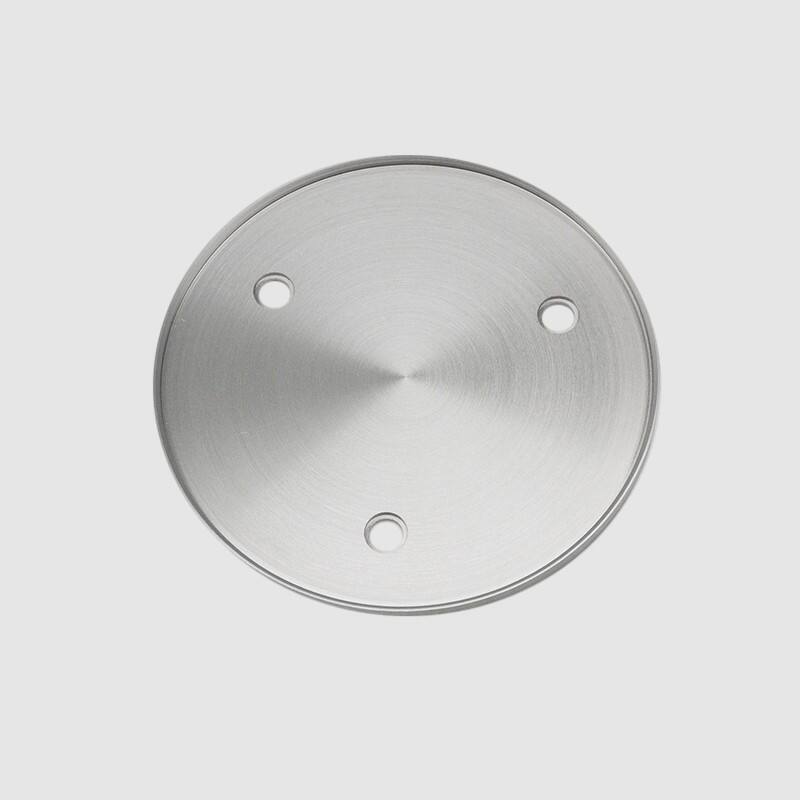
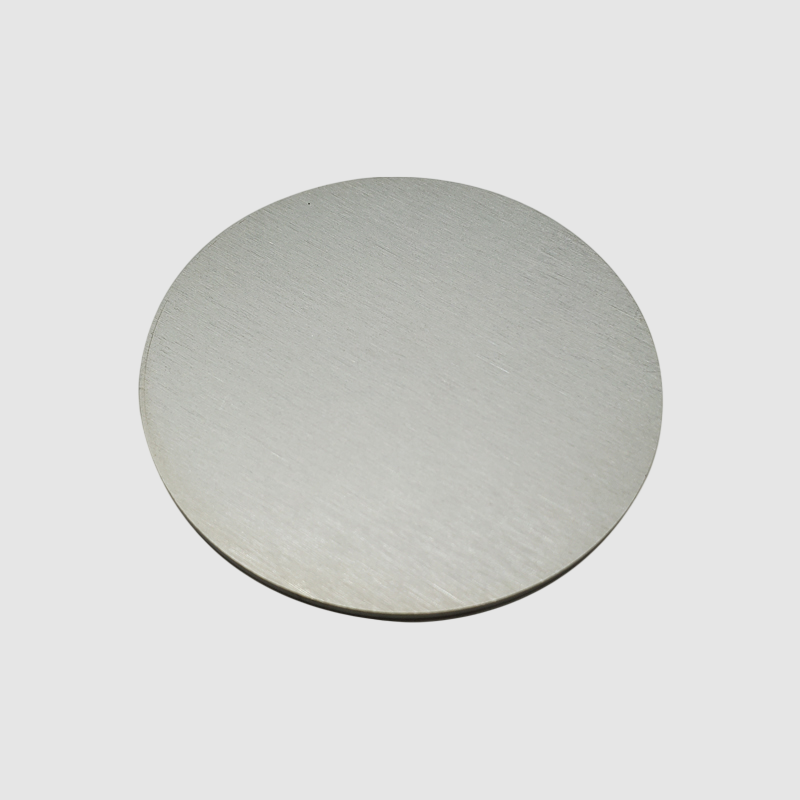
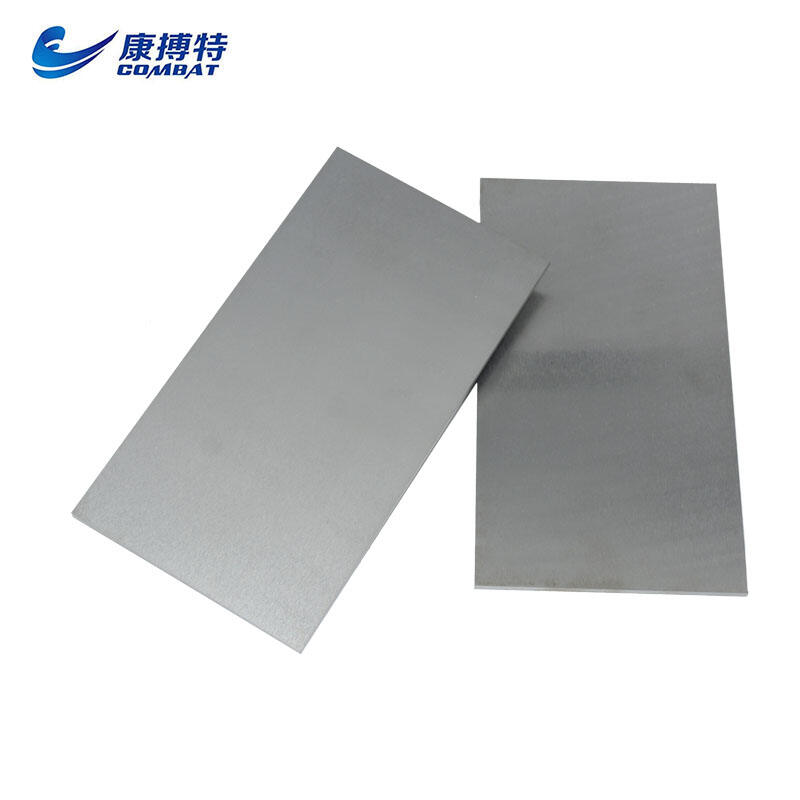
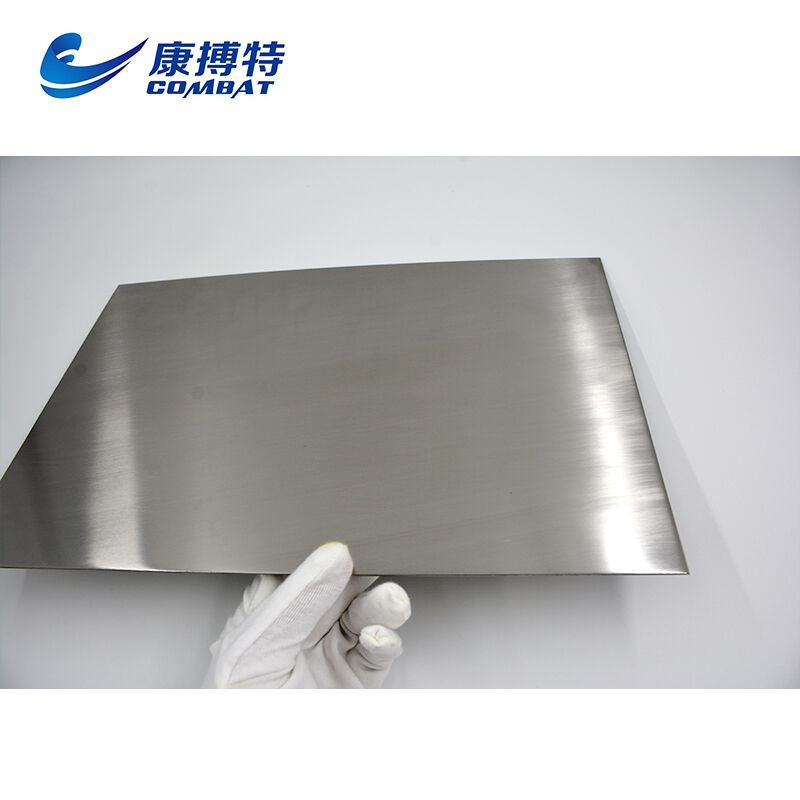
The 1mm titanium sheet stands out in the materials world for its exceptional ability to resist corrosion in environments that would rapidly destroy conventional metals. This remarkable property stems from titanium's natural tendency to form a stable, adherent oxide layer on its surface when exposed to oxygen. This passive film, primarily composed of titanium dioxide, measures only a few nanometers thick yet provides extraordinary protection against chemical attack. What makes this protection truly valuable is its self-healing nature. When the surface is scratched or abraded, the oxide layer instantly regenerates in the presence of even trace amounts of oxygen or moisture, maintaining continuous protection without human intervention. This characteristic proves critical in marine applications where saltwater exposure would corrode steel or aluminum within months. Boat builders, offshore platform designers, and marine equipment manufacturers specify 1mm titanium sheets for components requiring long-term reliability in harsh oceanic conditions. The material resists pitting, crevice corrosion, and stress corrosion cracking that plague other metals in chloride-rich environments. Chemical processing industries benefit equally from this corrosion resistance. The sheets withstand exposure to acids, alkalis, and organic solvents that would attack stainless steel or exotic alloys. This durability translates to extended equipment life, reduced downtime for repairs, and lower total cost of ownership. In architectural applications, titanium sheets maintain their appearance for decades without the discoloration, staining, or degradation common with other building materials. The material's resistance to atmospheric pollutants, acid rain, and industrial emissions makes it ideal for building facades, roofing, and decorative elements in urban environments. For manufacturers, this corrosion resistance eliminates the need for protective coatings, painting, or galvanizing, reducing production costs and environmental impact. The absence of coating requirements also means no coating failures, blistering, or delamination over time. In medical applications, the corrosion resistance ensures that implants and instruments maintain their integrity when exposed to bodily fluids, sterilization chemicals, and repeated autoclaving cycles. This reliability is not just convenient but potentially life-saving in critical medical situations.



 EN