Tantalum Wire Price Guide: Cost Factors, Applications & Value Analysis for Industrial Buyers

Get a Free Quote

Our representative will contact you soon.
Email
Name
Country/Region
Mobile/WhatsApp
Product Name
Message
0/1000

tantalum wire price

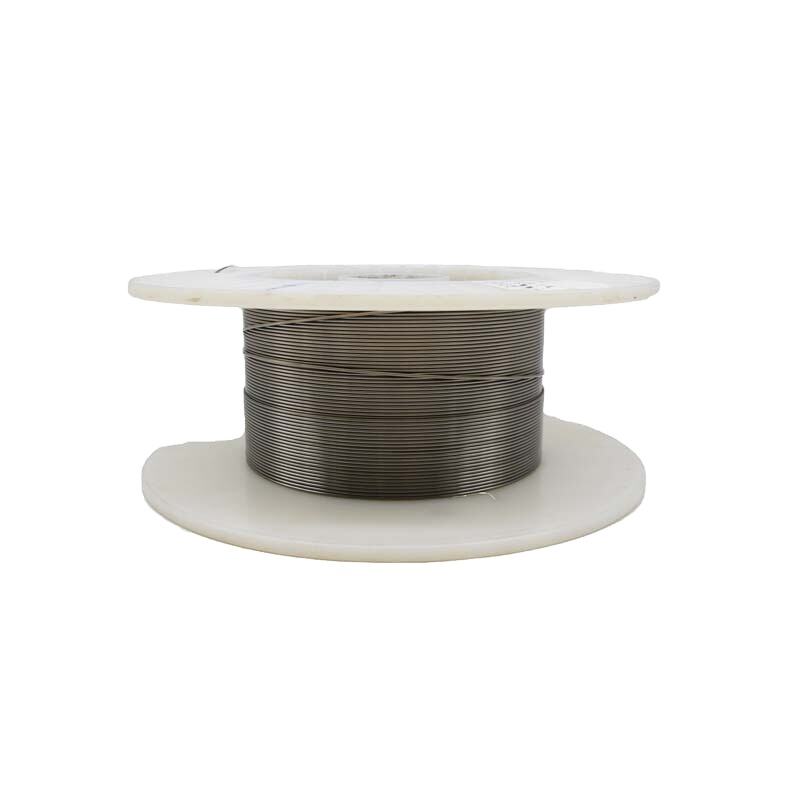
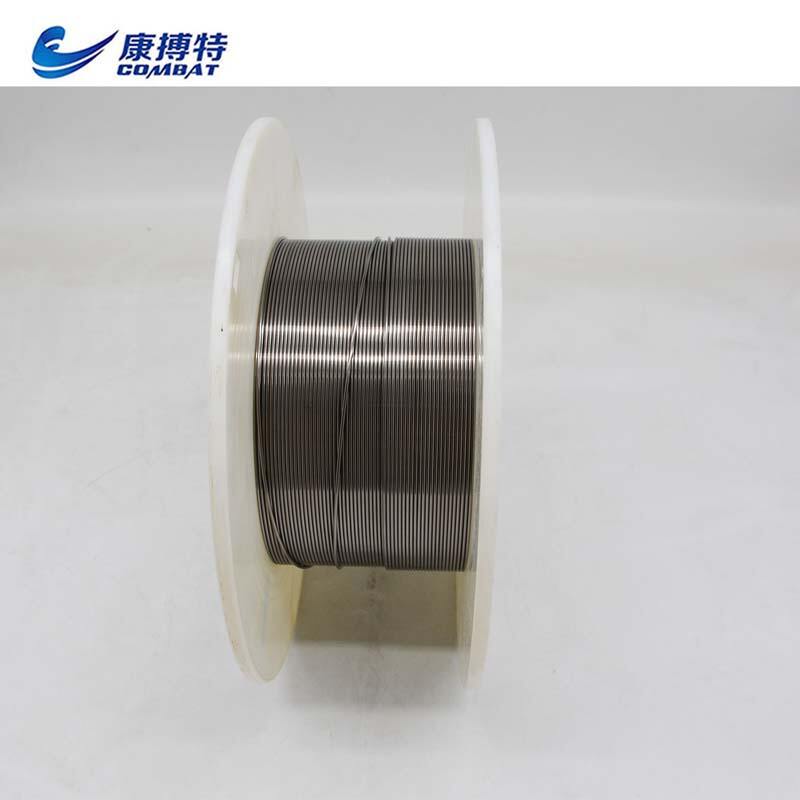
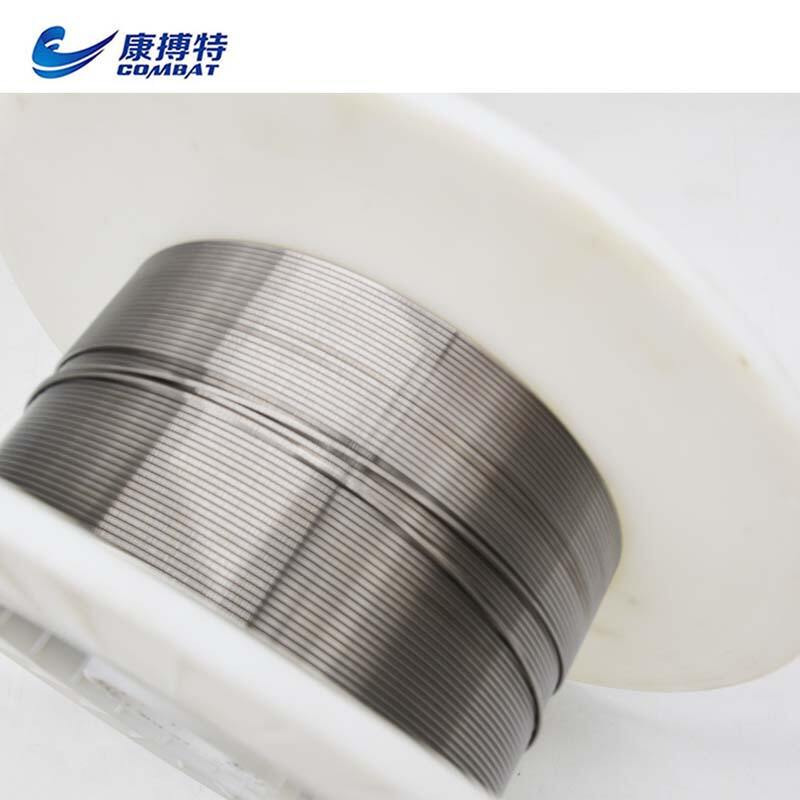
Tantalum wire represents a specialized metal product that serves critical functions across multiple industrial sectors, with pricing determined by factors including purity levels, diameter specifications, and market demand dynamics. Understanding tantalum wire price becomes essential for manufacturers and engineers who require this exceptional material for their production processes. Tantalum wire exhibits remarkable resistance to corrosion, making it invaluable in chemical processing environments where other metals would quickly deteriorate. The material maintains structural integrity even when exposed to aggressive acids and alkaline solutions at elevated temperatures. This wire product demonstrates excellent biocompatibility, which explains its widespread adoption in medical device manufacturing and surgical implant applications. The tantalum wire price reflects the metal's scarcity and the complex extraction processes required to obtain pure tantalum from mineral ores. Manufacturers produce this wire through sophisticated drawing techniques that achieve precise diameter tolerances ranging from micrometers to several millimeters. The technological features of tantalum wire include exceptional ductility, allowing it to be formed into intricate shapes without fracturing or losing mechanical properties. Its high melting point of approximately 3017 degrees Celsius enables applications in extreme temperature environments where conventional materials fail. The tantalum wire price varies based on wire diameter, with finer gauges typically commanding premium rates due to increased manufacturing complexity. Industries utilize this material for capacitor production, where tantalum's dielectric properties create compact energy storage solutions for electronic devices. The aerospace sector incorporates tantalum wire in rocket nozzles and heat shields, capitalizing on its refractory characteristics. Chemical plants employ tantalum wire in heating elements and thermowells that must withstand corrosive process streams. The tantalum wire price also accounts for quality certifications and traceability documentation required in regulated industries. Medical applications include sutures, pacemaker leads, and bone repair implants where the body readily accepts tantalum without adverse reactions. The material's electrical conductivity, though lower than copper, proves adequate for specialized electronic applications requiring corrosion resistance. Understanding tantalum wire price trends helps procurement professionals make informed purchasing decisions and budget effectively for projects requiring this premium material.

Popular Products

The primary advantage of considering tantalum wire price in your procurement strategy lies in the exceptional value this material delivers across its operational lifetime. While the initial tantalum wire price may appear higher compared to common metals like stainless steel or titanium, the total cost of ownership proves significantly lower when you factor in replacement frequency and maintenance requirements. Tantalum wire eliminates the need for protective coatings or frequent replacements in corrosive environments, reducing downtime and labor costs associated with equipment maintenance. The material performs reliably in applications involving hydrochloric acid, sulfuric acid, nitric acid, and other aggressive chemicals that rapidly degrade alternative materials. This longevity translates to fewer production interruptions and consistent process performance over extended periods. The tantalum wire price reflects a material that maintains dimensional stability under thermal cycling, preventing the warping and distortion that compromise precision in critical applications. Engineers appreciate how tantalum wire simplifies design requirements by eliminating the need for complex protective systems or redundant components. The biocompatibility advantage means medical device manufacturers can use tantalum wire without extensive surface treatments or barrier coatings, streamlining production processes and reducing regulatory compliance burdens. The tantalum wire price includes access to a material with proven performance history spanning decades in demanding applications, providing confidence in design specifications and risk mitigation. Fabricators find tantalum wire easy to work with using standard metalworking techniques, including welding, brazing, and mechanical forming, without requiring specialized equipment or training. The material's ductility allows creation of complex geometries and tight-tolerance components that meet exacting specifications. The tantalum wire price supports applications requiring minimal contamination risk, as tantalum does not shed particles or leach ions into surrounding environments, making it ideal for pharmaceutical processing and semiconductor manufacturing. Electronic component manufacturers benefit from tantalum wire's stable electrical properties across wide temperature ranges, ensuring consistent device performance in varying operating conditions. The material's low vapor pressure at elevated temperatures prevents evaporation losses in vacuum applications and high-temperature processing equipment. The tantalum wire price provides access to a material with excellent X-ray opacity, valuable in medical applications where visualization during procedures proves essential. The wire's high density and atomic number create clear contrast in radiographic imaging without interfering with biological processes. Purchasing decisions based on tantalum wire price should consider the material's contribution to product differentiation and competitive advantage in markets demanding superior performance and reliability. The wire's resistance to work hardening during fabrication allows multiple forming operations without intermediate annealing steps, reducing manufacturing time and energy consumption. The tantalum wire price ultimately represents an investment in quality, reliability, and performance that pays dividends through reduced operational costs and enhanced product capabilities.

Tips And Tricks

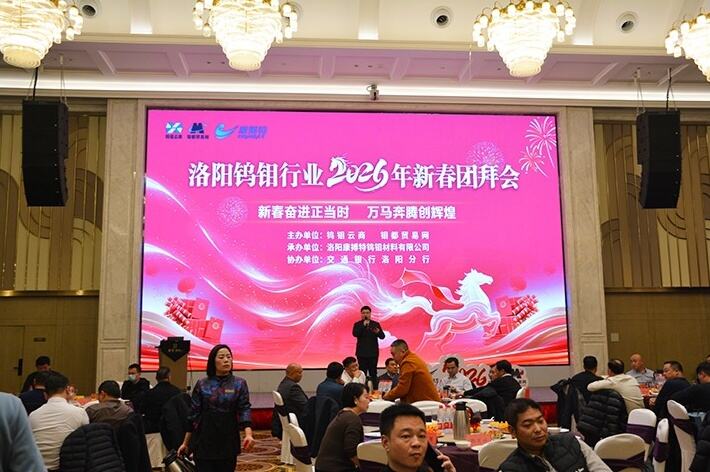
Gathering in Luoyang for Tungsten & Molybdenum, Uniting Hearts to Forge a New Dream Forward​

24

Apr

Gathering in Luoyang for Tungsten & Molybdenum, Uniting Hearts to Forge a New Dream Forward​

View More
The 31st Russia International Metal and Metallurgy Industry Exhibition 2025 (Metal-Expo)

24

Apr

The 31st Russia International Metal and Metallurgy Industry Exhibition 2025 (Metal-Expo)

View More
Indian Delegation Visits Youbo, Signs Molybdenum Bar and Tungsten Alloy Procurement Agreement​​

24

Apr

Indian Delegation Visits Youbo, Signs Molybdenum Bar and Tungsten Alloy Procurement Agreement​​

View More
International Ferroalloys 2025

24

Apr

International Ferroalloys 2025

View More

Get a Free Quote

Our representative will contact you soon.
Email
Name
Country/Region
Mobile/WhatsApp
Product Name
Message
0/1000

tantalum wire price

Unmatched Corrosion Resistance Delivers Long-Term Cost Savings

Unmatched Corrosion Resistance Delivers Long-Term Cost Savings

The exceptional corrosion resistance of tantalum wire stands as its most compelling feature, directly influencing the tantalum wire price and providing substantial economic benefits over the product lifecycle. Unlike conventional metals that form protective oxide layers requiring specific environmental conditions to remain stable, tantalum develops an extremely dense, self-healing oxide film that protects the underlying metal in virtually any chemical environment. This oxide layer reforms instantaneously if damaged, ensuring continuous protection without maintenance intervention. The tantalum wire price reflects this unique capability, which eliminates costly equipment failures and unplanned shutdowns in chemical processing facilities. Industries handling highly corrosive media find that tantalum wire outlasts alternative materials by factors of ten or more, dramatically reducing replacement part inventories and associated carrying costs. The material resists attack from aqua regia, a mixture that dissolves gold and platinum, demonstrating its extraordinary chemical stability. This resistance extends to organic acids, chlorine gas, bromine, and numerous other aggressive substances that rapidly corrode stainless steels and exotic alloys. The tantalum wire price becomes justified when calculating the total cost of ownership, including installation labor, production downtime, and disposal costs for failed components. Manufacturing facilities using tantalum wire in critical applications report significant improvements in process reliability and product quality consistency. The material's inertness prevents contamination of process streams, essential in pharmaceutical production where trace metal contamination can render entire batches unusable. The tantalum wire price supports applications in food processing equipment where maintaining product purity and meeting stringent hygiene standards proves mandatory. The wire's corrosion resistance remains effective across extreme pH ranges, from highly acidic to strongly alkaline conditions, providing design flexibility for multi-purpose equipment. Engineers specify tantalum wire for applications involving temperature fluctuations and thermal shock, where the stable oxide layer prevents accelerated corrosion at grain boundaries and stress points. The tantalum wire price includes the benefit of predictable performance characteristics that simplify maintenance scheduling and spare parts planning. The material's resistance to pitting, crevice corrosion, and stress corrosion cracking eliminates failure modes that plague other metals in chloride-containing environments. This reliability proves particularly valuable in offshore and marine applications where replacement costs include mobilization of specialized equipment and personnel.
Superior Biocompatibility Enables Advanced Medical Applications

Superior Biocompatibility Enables Advanced Medical Applications

The remarkable biocompatibility of tantalum wire creates unique opportunities in medical device manufacturing, with the tantalum wire price reflecting the stringent quality standards and certifications required for implantable materials. Human tissue readily accepts tantalum without triggering inflammatory responses or rejection reactions that complicate healing and patient outcomes. This biological acceptance stems from the stable oxide layer that forms on tantalum surfaces, presenting a chemically inert interface that cells recognize as non-threatening. The tantalum wire price supports development of innovative surgical implants and therapeutic devices that improve patient quality of life. Orthopedic surgeons use tantalum wire for bone fixation and reconstruction procedures, capitalizing on the material's ability to promote bone ingrowth and integration. The porous structures created with tantalum wire provide scaffolding that encourages natural bone formation, creating strong mechanical bonds between implant and skeletal tissue. The tantalum wire price includes traceability documentation and material certifications essential for regulatory approval processes in medical device markets. Cardiovascular applications utilize tantalum wire in pacemaker leads and stent markers, where radiopacity allows physicians to visualize device placement during minimally invasive procedures. The material's flexibility and fatigue resistance ensure these devices withstand millions of cardiac cycles without mechanical failure. The tantalum wire price reflects testing and validation protocols that demonstrate long-term safety and efficacy in biological environments. Neurosurgeons employ tantalum wire markers for precise localization during brain surgery and radiation therapy planning, leveraging the material's excellent imaging characteristics. The wire's non-magnetic properties allow safe use in patients requiring magnetic resonance imaging, eliminating artifacts that obscure diagnostic information. The tantalum wire price supports applications in dental implants and maxillofacial reconstruction, where osseointegration and aesthetic outcomes determine treatment success. Research institutions investigating tissue engineering and regenerative medicine select tantalum wire for experimental scaffolds and cell culture substrates. The material's surface characteristics promote cell adhesion and proliferation without requiring biological coatings or growth factors. The tantalum wire price provides access to a material with decades of clinical evidence supporting its safety profile and performance reliability. Regulatory agencies worldwide recognize tantalum as a preferred material for permanent implants, streamlining approval pathways for devices incorporating this metal. The wire's resistance to bodily fluids and biological degradation ensures implant stability throughout patient lifetimes, eliminating concerns about corrosion products or metal ion release. The tantalum wire price ultimately represents an investment in patient safety and clinical outcomes that justifies its premium positioning in medical materials markets.
Exceptional High-Temperature Performance Enables Extreme Environment Applications

Exceptional High-Temperature Performance Enables Extreme Environment Applications

The outstanding high-temperature capabilities of tantalum wire distinguish it from conventional materials, with the tantalum wire price reflecting performance characteristics essential for extreme environment applications. Tantalum maintains mechanical strength and structural integrity at temperatures exceeding 2000 degrees Celsius, where most metals have already melted or lost load-bearing capacity. This refractory nature makes tantalum wire indispensable in aerospace propulsion systems, vacuum furnace components, and advanced manufacturing processes. The tantalum wire price supports applications in rocket engine nozzles where materials must withstand combustion temperatures and reactive exhaust gases simultaneously. The material's low vapor pressure at elevated temperatures prevents evaporative losses that would compromise dimensional tolerances and contaminate vacuum environments. Semiconductor manufacturers use tantalum wire in crystal growing furnaces and deposition equipment where temperature uniformity and contamination control determine product yield. The tantalum wire price includes the benefit of thermal stability that eliminates concerns about phase transformations or grain growth that degrade mechanical properties during thermal cycling. The wire's thermal expansion coefficient remains relatively constant across wide temperature ranges, simplifying design calculations for assemblies experiencing temperature gradients. Aerospace engineers specify tantalum wire for heat shields and thermal protection systems on hypersonic vehicles and spacecraft re-entry structures. The material's ability to form stable carbide and nitride surface layers at extreme temperatures provides additional protection against oxidation and erosion. The tantalum wire price reflects manufacturing processes that produce consistent grain structures and mechanical properties essential for reliable high-temperature performance. Glass manufacturing facilities employ tantalum wire in stirring mechanisms and temperature sensors that must operate continuously in molten glass environments above 1500 degrees Celsius. The material's resistance to thermal shock allows rapid heating and cooling cycles without cracking or mechanical failure. The tantalum wire price supports applications in plasma processing equipment where materials face bombardment by high-energy ions and extreme thermal loads. Research laboratories investigating fusion energy and advanced propulsion concepts rely on tantalum wire for diagnostic sensors and structural components in experimental reactors. The wire's electrical resistivity increases predictably with temperature, enabling its use in precision temperature measurement and control systems. The tantalum wire price provides access to a material with proven performance in nuclear applications, where radiation resistance and high-temperature strength prove equally important. The material's ductility persists at elevated temperatures, allowing fabrication of complex geometries and mechanical joints that maintain integrity under thermal stress. Industrial furnace manufacturers incorporate tantalum wire in heating elements and support structures for specialized heat treatment processes requiring inert atmospheres and precise temperature control.

Get a Free Quote

Our representative will contact you soon.
Email
Name
Country/Region
Mobile/WhatsApp
Product Name
Message
0/1000