Tantalum Filament: High-Temperature Heating Solutions for Industrial and Scientific Applications

Get a Free Quote

Our representative will contact you soon.
Email
Name
Country/Region
Mobile/WhatsApp
Product Name
Message
0/1000

tantalum filament

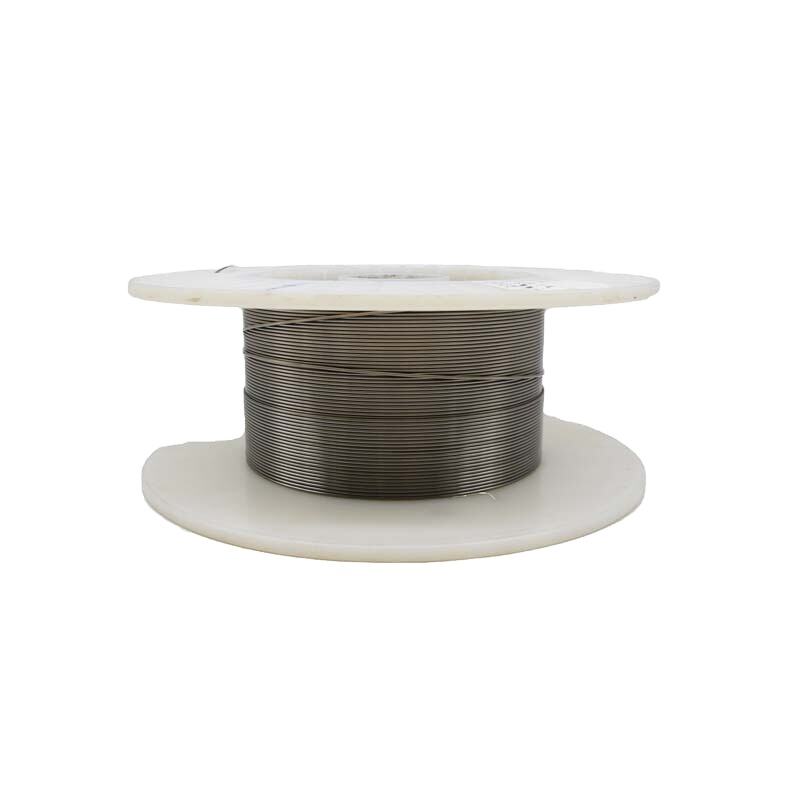
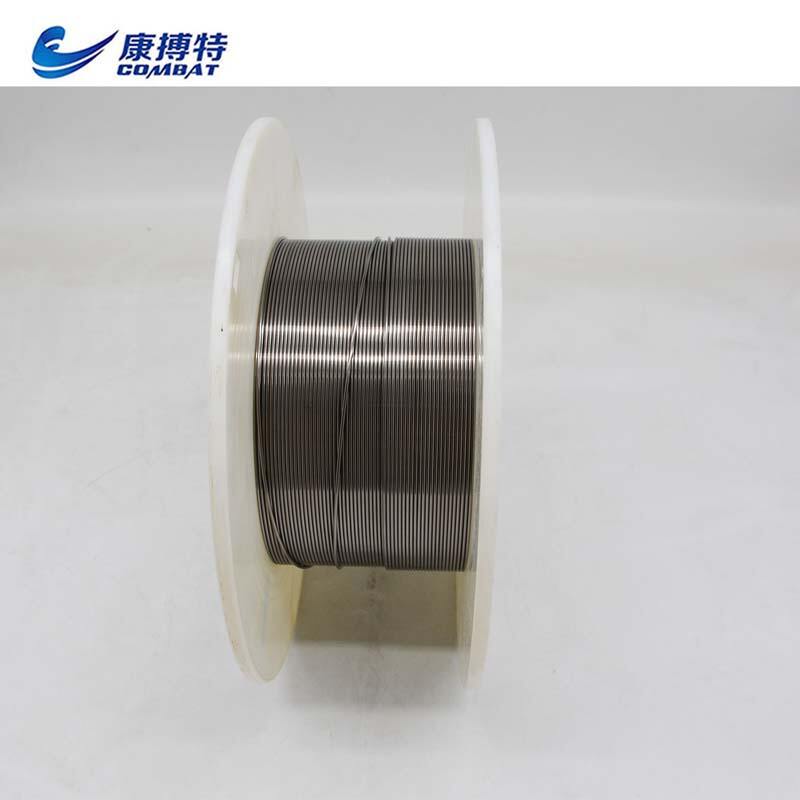
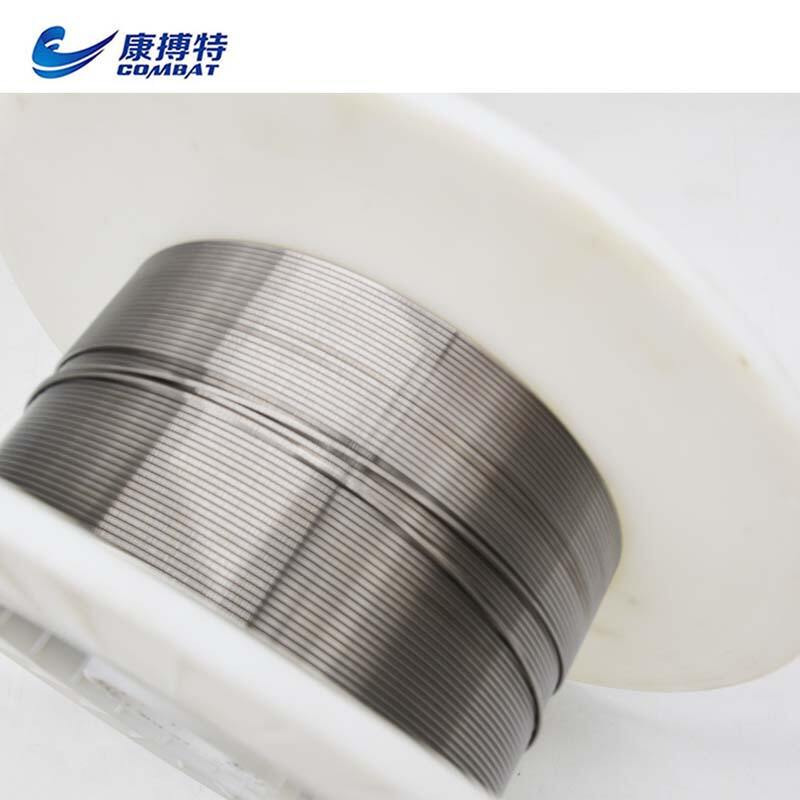
Tantalum filament represents a specialized wire component manufactured from pure tantalum metal, designed to deliver exceptional performance in high-temperature environments and demanding industrial applications. This advanced material serves critical functions across multiple sectors, including electronics manufacturing, vacuum deposition systems, medical device production, and scientific research equipment. The primary function of tantalum filament involves generating and maintaining extreme temperatures while resisting chemical degradation, making it indispensable for processes requiring thermal stability and material purity. Technologically, tantalum filament exhibits remarkable characteristics that distinguish it from conventional heating elements. The material possesses an extraordinarily high melting point of 3017 degrees Celsius, enabling operation at temperatures where most metals would fail catastrophically. Its inherent ductility allows manufacturers to draw tantalum into extremely fine wire diameters without compromising structural integrity, facilitating precise thermal control in miniaturized applications. The filament demonstrates superior resistance to oxidation and corrosion, maintaining performance consistency even when exposed to aggressive chemical environments or reactive atmospheres. Applications for tantalum filament span diverse industrial domains. In semiconductor fabrication, these filaments function as evaporation sources for thin-film deposition, creating uniform metallic coatings on silicon wafers with exceptional precision. Medical equipment manufacturers incorporate tantalum filament into X-ray tube assemblies and radiation therapy devices, where reliability and longevity directly impact patient safety. Research laboratories utilize tantalum filament in mass spectrometry instruments, electron microscopes, and vacuum furnaces, capitalizing on its stable emission characteristics and minimal contamination properties. The aerospace industry employs tantalum filament in specialized sensors and high-temperature testing apparatus, while chemical processing facilities integrate it into analytical instruments requiring inert heating elements. The combination of thermal performance, chemical stability, and mechanical durability positions tantalum filament as an essential component for applications where conventional materials cannot meet operational requirements.


New Product Releases

Tantalum filament delivers substantial practical benefits that directly address the operational challenges faced by manufacturers and engineers across multiple industries. The most immediate advantage lies in its exceptional longevity under extreme conditions. Unlike tungsten or molybdenum alternatives, tantalum filament maintains structural stability and electrical properties throughout thousands of thermal cycles, reducing replacement frequency and minimizing production downtime. This extended operational lifespan translates into lower maintenance costs and improved manufacturing efficiency, allowing facilities to maintain consistent output without frequent equipment servicing interruptions. The material's superior chemical resistance provides another significant benefit for users working with corrosive substances or reactive atmospheres. Tantalum filament remains chemically inert when exposed to most acids, alkalis, and organic compounds at elevated temperatures, preventing contamination of sensitive processes and eliminating the risk of filament degradation that could compromise product quality. This chemical stability proves particularly valuable in pharmaceutical manufacturing, semiconductor production, and analytical chemistry applications where even trace contamination can invalidate results or damage expensive materials. Energy efficiency represents a practical advantage that impacts operational costs directly. Tantalum filament requires less electrical power to achieve target temperatures compared to many alternative heating elements, thanks to its favorable electrical resistivity characteristics and efficient heat transfer properties. This reduced energy consumption accumulates into substantial cost savings over the filament's extended service life, while also supporting corporate sustainability initiatives by lowering carbon footprints associated with manufacturing operations. The material's mechanical flexibility offers installation and design advantages that simplify equipment engineering. Tantalum filament can be formed into complex geometries, wound into tight coils, or configured as straight wire elements depending on application requirements. This versatility enables engineers to optimize heating patterns, maximize thermal uniformity, and integrate filaments into compact assemblies where space constraints limit design options. The ductility of tantalum also reduces breakage during handling and installation, decreasing waste and improving manufacturing yield rates. Temperature stability provides another crucial benefit for precision applications. Tantalum filament maintains consistent electrical resistance across its operating temperature range, enabling accurate thermal control through simple current regulation. This predictable behavior simplifies control system design and improves process repeatability, ensuring that manufacturing parameters remain within specification limits. For quality-critical applications in medical device production or aerospace component manufacturing, this reliability directly supports regulatory compliance and product consistency. The biocompatibility of tantalum offers unique advantages for medical applications. The material exhibits excellent tissue compatibility and resistance to bodily fluids, making tantalum filament suitable for implantable devices and surgical instruments where patient safety is paramount. This biocompatibility, combined with the material's radiopacity, allows medical professionals to visualize tantalum components using standard imaging techniques, facilitating precise device placement and post-operative monitoring.

Latest News

The 31st Russia International Metal and Metallurgy Industry Exhibition 2025 (Metal-Expo)

24

Apr

The 31st Russia International Metal and Metallurgy Industry Exhibition 2025 (Metal-Expo)

View More
Indian Delegation Visits Youbo, Signs Molybdenum Bar and Tungsten Alloy Procurement Agreement​​

24

Apr

Indian Delegation Visits Youbo, Signs Molybdenum Bar and Tungsten Alloy Procurement Agreement​​

View More
International Ferroalloys 2025

24

Apr

International Ferroalloys 2025

View More
The Grand Opening Of The 2025 China International Powder Metallurgy, Hard Alloy And Advanced Ceramics Exhibition

24

Apr

The Grand Opening Of The 2025 China International Powder Metallurgy, Hard Alloy And Advanced Ceramics Exhibition

View More

Get a Free Quote

Our representative will contact you soon.
Email
Name
Country/Region
Mobile/WhatsApp
Product Name
Message
0/1000

tantalum filament

Unmatched High-Temperature Performance for Critical Industrial Processes

Unmatched High-Temperature Performance for Critical Industrial Processes

Tantalum filament stands as the premier choice for applications demanding sustained operation at extreme temperatures where conventional heating elements simply cannot survive. The material's melting point of 3017 degrees Celsius provides an enormous operational safety margin, allowing tantalum filament to function reliably at temperatures exceeding 2500 degrees Celsius without risk of structural failure or performance degradation. This thermal capability proves essential in vacuum deposition systems used for manufacturing optical coatings, where precise temperature control directly determines coating uniformity and optical properties. In these applications, tantalum filament serves as the evaporation source, heating target materials to their vaporization points while maintaining dimensional stability and emission consistency throughout extended production runs. The high-temperature performance of tantalum filament also benefits crystal growth processes, where maintaining precise thermal profiles over days or weeks determines crystal quality and yield. Unlike alternative materials that experience grain growth, recrystallization, or creep deformation at elevated temperatures, tantalum filament retains its microstructure and mechanical properties, ensuring that heating characteristics remain constant throughout the process cycle. This stability eliminates the need for continuous recalibration and reduces the risk of batch failures caused by thermal drift. Manufacturing facilities utilizing tantalum filament report significant improvements in process repeatability and product consistency compared to operations using conventional heating elements. The material's low vapor pressure at operating temperatures represents another critical advantage for high-temperature applications. While competing materials may evaporate or sublime when heated in vacuum environments, contaminating sensitive substrates or interfering with deposition processes, tantalum filament remains dimensionally stable and contributes negligible contamination even during prolonged high-temperature operation. This characteristic makes tantalum filament indispensable for semiconductor manufacturing, where even parts-per-billion contamination levels can compromise device performance or reduce manufacturing yields. Research institutions conducting materials science investigations similarly depend on tantalum filament's purity and stability to ensure that experimental results reflect actual material properties rather than artifacts introduced by contaminated heating elements. The thermal shock resistance of tantalum filament provides additional operational benefits in applications involving rapid temperature cycling. The material withstands sudden temperature changes without cracking or developing stress fractures, enabling fast process startup and shutdown sequences that improve equipment utilization and reduce energy consumption during idle periods.
Superior Chemical Resistance Ensuring Process Purity and Equipment Longevity

Superior Chemical Resistance Ensuring Process Purity and Equipment Longevity

The exceptional chemical inertness of tantalum filament addresses one of the most persistent challenges in industrial heating applications: maintaining process purity while operating in chemically aggressive environments. Tantalum exhibits remarkable resistance to attack by most acids, including hydrochloric, sulfuric, and nitric acids at concentrations and temperatures that would rapidly destroy stainless steel, nickel alloys, or even platinum group metals. This chemical stability allows tantalum filament to function as a heating element in chemical reactors, analytical instruments, and processing equipment where corrosive substances are present, eliminating contamination risks and extending equipment service life far beyond what conventional materials can achieve. In pharmaceutical manufacturing, where product purity directly impacts patient safety and regulatory compliance, tantalum filament provides a heating solution that introduces no metallic contamination into sensitive formulations. The material's resistance to organic solvents, biological fluids, and cleaning agents ensures that sterilization and maintenance procedures do not degrade filament performance or compromise its chemical inertness. Medical device manufacturers similarly benefit from tantalum's biocompatibility and corrosion resistance, incorporating tantalum filament into implantable devices and surgical instruments where long-term stability in physiological environments is essential. The material's resistance to oxidation represents a particularly valuable characteristic for applications involving elevated temperatures in oxygen-containing atmospheres. While most metals form thick oxide scales that alter electrical properties and eventually cause failure, tantalum develops only a thin, stable oxide layer that actually protects the underlying metal from further oxidation. This self-passivating behavior allows tantalum filament to operate in air or oxygen-enriched environments at temperatures where unprotected metals would rapidly oxidize and fail. Analytical chemistry laboratories exploit this chemical resistance when using tantalum filament in mass spectrometry ionization sources, atomic absorption spectrometers, and other instruments where heating elements must withstand exposure to diverse sample matrices without contributing interfering signals or degrading analytical accuracy. The chemical stability of tantalum filament also simplifies equipment cleaning and maintenance procedures. Unlike reactive metals that require careful handling to prevent surface contamination or oxidation, tantalum filament tolerates aggressive cleaning agents and can be restored to service quickly after maintenance without lengthy conditioning procedures. This ease of maintenance reduces equipment downtime and allows facilities to maintain production schedules even when routine servicing is required. Environmental testing laboratories conducting accelerated corrosion studies or simulating harsh atmospheric conditions rely on tantalum filament to provide stable heating without introducing variables that could confound test results.
Exceptional Mechanical Properties Enabling Versatile Design Solutions

Exceptional Mechanical Properties Enabling Versatile Design Solutions

Tantalum filament combines remarkable ductility with high tensile strength, creating a unique combination of mechanical properties that enables innovative design solutions across diverse applications. The material can be drawn into wire diameters ranging from several millimeters down to just a few micrometers without becoming brittle or losing structural integrity, allowing engineers to select filament dimensions that precisely match thermal output requirements and spatial constraints. This formability permits the creation of complex filament geometries including tight helical coils, serpentine patterns, and custom shapes that optimize heat distribution for specific applications. In miniaturized electronic devices and micro-electromechanical systems, the ability to fabricate ultra-fine tantalum filament enables heating element integration into assemblies where conventional wire sizes would be impractical. The high tensile strength of tantalum filament ensures that even fine-diameter wires maintain mechanical stability during installation and operation, resisting sagging or deformation that could cause short circuits or alter heating patterns. This strength becomes particularly important in vertical mounting configurations or applications involving mechanical vibration, where weaker materials might fail prematurely. Equipment manufacturers designing vacuum deposition systems, electron beam sources, and ion generation devices leverage tantalum's mechanical properties to create robust filament assemblies that withstand thermal expansion stresses and maintain precise positioning throughout thousands of thermal cycles. The material's work-hardening characteristics allow manufacturers to tailor mechanical properties through controlled processing, producing filament with strength and ductility combinations optimized for specific applications. Cold-working increases tensile strength and spring temper, creating filament suitable for applications requiring mechanical resilience, while annealing treatments restore ductility for applications demanding maximum formability. This processing flexibility enables suppliers to provide tantalum filament specifications matched to customer requirements rather than forcing design compromises to accommodate material limitations. The low coefficient of thermal expansion exhibited by tantalum filament contributes to dimensional stability during thermal cycling, minimizing mechanical stresses in filament support structures and reducing the risk of fatigue failures in mounting hardware. This thermal stability proves especially valuable in precision instruments where maintaining exact filament positioning is critical for performance. Electron microscopes, mass spectrometers, and X-ray sources all benefit from tantalum's ability to return to its original dimensions after heating and cooling cycles, ensuring that calibration remains valid and performance stays consistent. The material's resistance to creep deformation at elevated temperatures further enhances long-term dimensional stability, preventing the gradual sagging or distortion that affects many metals when subjected to sustained high-temperature operation under mechanical load.

Get a Free Quote

Our representative will contact you soon.
Email
Name
Country/Region
Mobile/WhatsApp
Product Name
Message
0/1000