Premium Tantalum Welding Wire - High-Purity Corrosion-Resistant Welding Solutions for Chemical, Medical & Aerospace Industries

Get a Free Quote

Our representative will contact you soon.
Email
Name
Country/Region
Mobile/WhatsApp
Product Name
Message
0/1000

tantalum welding wire

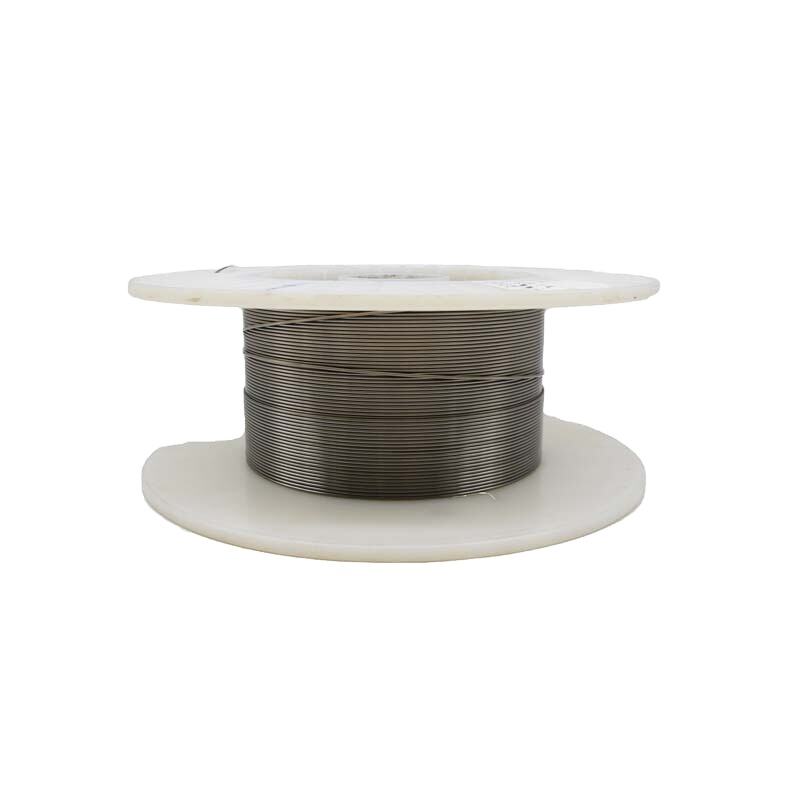
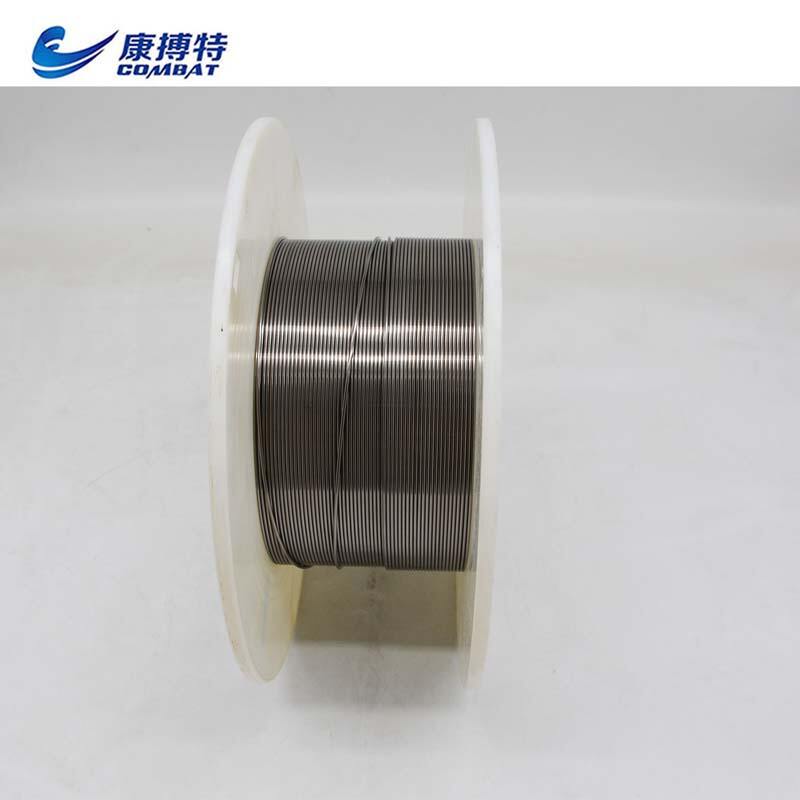
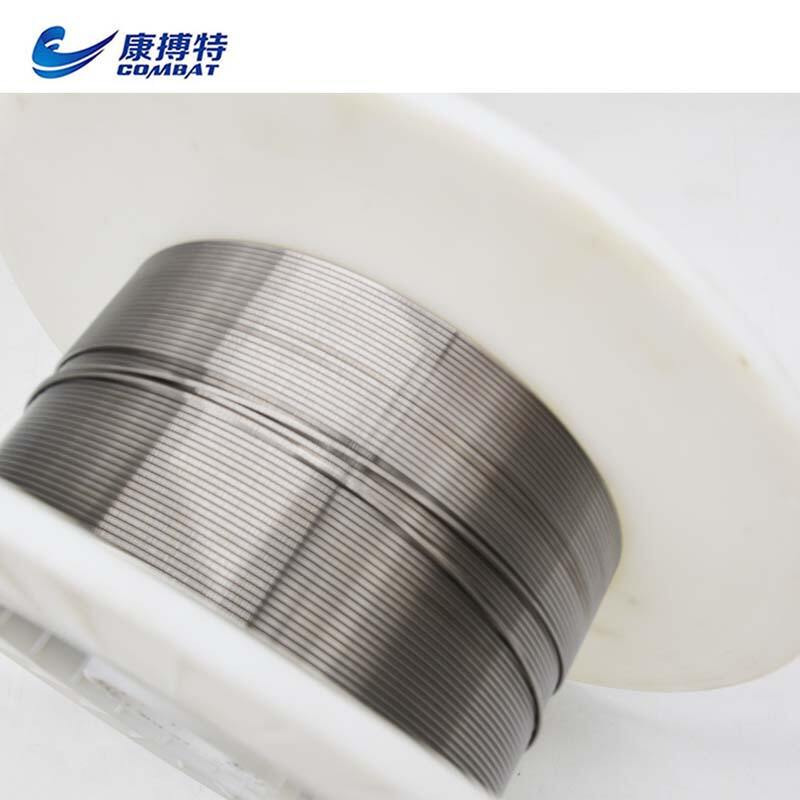
Tantalum welding wire represents a specialized joining material engineered for demanding industrial applications where conventional welding solutions fall short. This premium wire consists of high-purity tantalum metal, typically exceeding 99.95 percent purity, designed specifically for fusion welding processes in extreme environments. The primary function of tantalum welding wire centers on creating robust, corrosion-resistant joints between tantalum components or dissimilar metals in chemical processing equipment, medical devices, and high-temperature industrial systems. Technological features distinguish this material from standard welding consumables through its exceptional melting point of 3017 degrees Celsius, outstanding ductility even at elevated temperatures, and remarkable resistance to virtually all acids except hydrofluoric acid and hot concentrated sulfuric acid. The wire maintains consistent diameter tolerances across its length, ensuring stable arc characteristics and uniform weld bead formation during gas tungsten arc welding operations. Applications span diverse industries including pharmaceutical manufacturing where tantalum welding wire joins reactor vessels and heat exchangers, aerospace sector for fabricating rocket nozzles and combustion chambers, electronics industry in producing sputtering targets and capacitor components, and medical field for assembling surgical implants and diagnostic equipment. Chemical plants utilize tantalum welding wire extensively for repairing and constructing equipment handling corrosive media such as bromine, chlorine, and various organic acids. The wire's biocompatibility makes it indispensable for medical device manufacturing, while its thermal stability supports applications in vacuum furnace construction and high-temperature laboratory apparatus. Nuclear industry relies on tantalum welding wire for components requiring both corrosion resistance and neutron absorption properties. The material's unique combination of physical and chemical properties enables manufacturers to extend equipment service life, reduce maintenance frequencies, and maintain product purity in sensitive processing environments where contamination poses significant operational risks.

New Product Recommendations

Tantalum welding wire delivers substantial practical benefits that directly impact operational efficiency and long-term cost management for industrial facilities. The foremost advantage lies in its unparalleled corrosion resistance, which allows equipment to operate continuously in aggressive chemical environments without degradation, eliminating frequent replacement cycles and reducing downtime expenses. Facilities using tantalum welding wire for critical joints report service lives exceeding twenty years in applications where stainless steel alternatives fail within months, translating to significant capital expenditure savings over equipment lifecycles. The material's exceptional ductility simplifies the welding process itself, as operators achieve clean, crack-free welds without requiring complex preheating procedures or post-weld heat treatments that consume time and energy. This workability reduces labor costs and accelerates project completion timelines, particularly valuable during plant shutdowns where every hour of downtime represents lost production revenue. Temperature stability stands as another crucial advantage, enabling welded assemblies to maintain structural integrity and leak-tight performance across temperature ranges from cryogenic conditions to 300 degrees Celsius in oxidizing atmospheres, providing operational flexibility across seasonal variations and process upsets. The biocompatibility of tantalum welding wire opens revenue opportunities in medical device manufacturing, where regulatory compliance demands materials that provoke no adverse tissue reactions, allowing manufacturers to meet stringent FDA requirements without additional surface treatments or coatings. Contamination prevention represents a hidden but substantial benefit, as tantalum's chemical inertness ensures zero metal ion migration into process streams, critical for pharmaceutical production where trace impurities can invalidate entire batches worth millions of dollars. The wire's consistent quality and predictable welding characteristics reduce scrap rates during fabrication, as experienced welders achieve first-time-right results with minimal trial runs, conserving both material costs and skilled labor hours. Maintenance teams appreciate the ease of field repairs using tantalum welding wire, as emergency fixes can be executed without draining and decontaminating entire systems, minimizing production interruptions and preserving batch integrity. Energy efficiency gains emerge from the material's thermal conductivity properties, which facilitate faster heat dissipation in heat exchanger applications, reducing cooling requirements and lowering utility consumption. The wire's availability in various diameters accommodates different joint configurations and welding positions, providing fabricators with flexibility to optimize techniques for specific applications without compromising weld quality or requiring specialized equipment investments.

Practical Tips

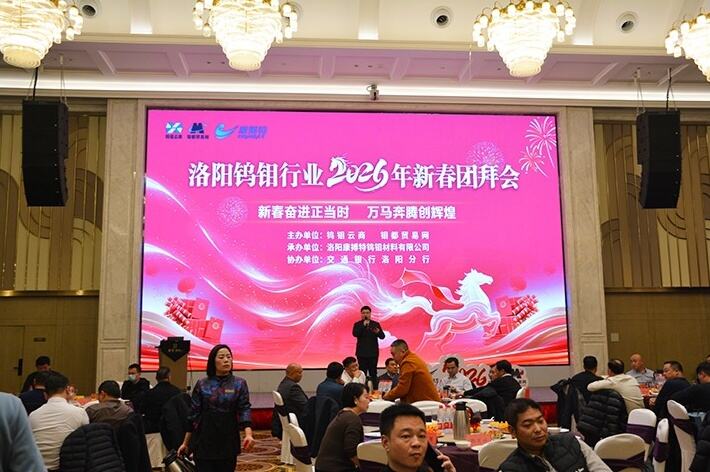
Gathering in Luoyang for Tungsten & Molybdenum, Uniting Hearts to Forge a New Dream Forward​

24

Apr

Gathering in Luoyang for Tungsten & Molybdenum, Uniting Hearts to Forge a New Dream Forward​

View More
The 31st Russia International Metal and Metallurgy Industry Exhibition 2025 (Metal-Expo)

24

Apr

The 31st Russia International Metal and Metallurgy Industry Exhibition 2025 (Metal-Expo)

View More
International Ferroalloys 2025

24

Apr

International Ferroalloys 2025

View More
The Grand Opening Of The 2025 China International Powder Metallurgy, Hard Alloy And Advanced Ceramics Exhibition

24

Apr

The Grand Opening Of The 2025 China International Powder Metallurgy, Hard Alloy And Advanced Ceramics Exhibition

View More

Get a Free Quote

Our representative will contact you soon.
Email
Name
Country/Region
Mobile/WhatsApp
Product Name
Message
0/1000

tantalum welding wire

Superior Corrosion Resistance for Extended Equipment Life

Superior Corrosion Resistance for Extended Equipment Life

The exceptional corrosion resistance of tantalum welding wire fundamentally transforms equipment longevity in harsh chemical processing environments, delivering measurable return on investment through extended service intervals and reduced replacement frequencies. Unlike conventional welding materials that succumb to chemical attack within months or years, joints created with tantalum welding wire withstand continuous exposure to mineral acids, organic compounds, and halogenated chemicals without measurable degradation over decades of operation. This resistance stems from tantalum's ability to form a stable, self-healing oxide layer that protects the underlying metal from further attack, even when mechanical damage disrupts the surface. Chemical processors handling sulfuric acid, hydrochloric acid, nitric acid, and phosphoric acid at various concentrations and temperatures rely on tantalum welding wire to maintain system integrity where alternative materials experience rapid corrosion, pitting, and eventual failure. The economic impact becomes evident when comparing lifecycle costs, as a single tantalum-welded heat exchanger operating for twenty-five years eliminates the need for five or more replacements using inferior materials, saving not only equipment costs but also installation labor, process downtime, and disposal expenses associated with failed components. Pharmaceutical manufacturers particularly value this corrosion resistance because it prevents contamination of active ingredients and excipients, ensuring product quality while avoiding costly batch rejections that can reach millions of dollars for specialized medications. The material's resistance extends to unusual corrosive environments including wet chlorine gas, bromine vapors, and fuming nitric acid, expanding application possibilities into specialty chemical production where few alternatives exist. Maintenance departments benefit from predictable equipment performance, as tantalum-welded joints eliminate surprise failures that trigger emergency shutdowns, overtime labor costs, and expedited material procurement at premium prices. The corrosion resistance also supports sustainable manufacturing practices by reducing material consumption over facility lifetimes, decreasing the environmental footprint associated with frequent equipment replacement and disposal. Quality assurance teams appreciate the consistency of tantalum welding wire performance, as welds maintain their protective properties without requiring periodic inspection, recoating, or other preventive maintenance activities that consume resources and introduce contamination risks during system openings.
Exceptional High-Temperature Performance for Demanding Applications

Exceptional High-Temperature Performance for Demanding Applications

Tantalum welding wire excels in high-temperature applications where thermal stability and mechanical strength at elevated temperatures determine operational success and safety margins. The material maintains its structural integrity and corrosion resistance at temperatures reaching 300 degrees Celsius in oxidizing environments and significantly higher in vacuum or inert atmospheres, enabling equipment designs that maximize process efficiency through elevated operating temperatures. This thermal capability proves essential in chemical synthesis operations where reaction kinetics demand sustained high temperatures, allowing manufacturers to achieve faster conversion rates, higher yields, and improved product selectivity compared to processes constrained by material limitations. Aerospace applications leverage tantalum welding wire for fabricating components in rocket engines and jet propulsion systems, where extreme thermal cycling and combustion gas exposure would destroy conventional welding materials within seconds of operation. The wire's low thermal expansion coefficient minimizes thermal stress during heating and cooling cycles, reducing the risk of crack propagation and joint failure in equipment subjected to frequent temperature fluctuations. Vacuum furnace manufacturers specify tantalum welding wire for constructing heating elements, shields, and structural components that must endure thousands of thermal cycles without degradation, ensuring consistent furnace performance and eliminating contamination from deteriorating materials. Electronics industry applications include joining components in semiconductor processing equipment where elevated temperatures combine with corrosive plasma environments, requiring materials that simultaneously resist chemical attack and maintain dimensional stability. The high melting point of tantalum welding wire provides substantial safety margins in applications where unexpected temperature excursions could compromise equipment integrity, offering engineers confidence in design reliability even under upset conditions. Laboratory equipment manufacturers utilize tantalum welding wire for specialized apparatus including high-temperature reaction vessels, distillation columns, and analytical instruments where precise temperature control and material purity directly impact research outcomes and data quality. Nuclear applications benefit from tantalum's thermal neutron absorption cross-section combined with high-temperature stability, enabling control rod components and reactor internals that function reliably throughout extended fuel cycles. The material's resistance to thermal fatigue extends equipment service life in applications involving repeated heating and cooling, such as batch reactors and sterilization equipment, where thermal cycling represents the primary failure mechanism for welded joints.
Biocompatibility and Purity for Medical and Pharmaceutical Applications

Biocompatibility and Purity for Medical and Pharmaceutical Applications

The outstanding biocompatibility and chemical purity of tantalum welding wire make it indispensable for medical device manufacturing and pharmaceutical processing equipment, where material interactions with biological systems and product streams must meet the most stringent regulatory standards. Tantalum's proven biocompatibility, demonstrated through decades of clinical use in surgical implants including bone plates, cranial repair meshes, and pacemaker cases, ensures that devices fabricated using tantalum welding wire provoke no adverse immune responses, tissue reactions, or inflammatory processes when implanted in the human body. Medical device manufacturers leverage this property to create complex assemblies including orthopedic implants, dental fixtures, and surgical instruments that require welded joints capable of withstanding sterilization cycles, bodily fluids, and mechanical stresses without releasing metal ions or degrading over implant lifetimes spanning decades. Regulatory approval processes become more straightforward when using tantalum welding wire, as the material's extensive biocompatibility documentation and FDA recognition streamline device clearance pathways, accelerating time-to-market for innovative medical products. Pharmaceutical processing equipment fabricated with tantalum welding wire maintains product purity by eliminating metal ion contamination that can catalyze unwanted reactions, degrade active ingredients, or introduce impurities requiring costly purification steps. The material's chemical inertness ensures that even aggressive cleaning agents, sanitizers, and sterilization processes used in pharmaceutical manufacturing leave no residues or surface modifications that could compromise subsequent batches. Biotechnology applications including bioreactor vessels, chromatography columns, and filtration systems benefit from tantalum welding wire's ability to maintain sterile conditions without supporting bacterial adhesion or biofilm formation, critical factors in preventing contamination during cell culture and fermentation processes. Diagnostic equipment manufacturers specify tantalum welding wire for analytical instruments where trace metal contamination would invalidate test results, ensuring measurement accuracy in clinical laboratories and research facilities. The material's radiopacity provides an additional advantage in certain medical applications, allowing surgeons to visualize implant positioning using standard X-ray imaging without requiring additional marker materials. Cleanroom fabrication facilities appreciate tantalum welding wire's low particulate generation during welding operations, supporting compliance with air quality standards essential for medical device manufacturing. The wire's consistent composition and absence of alloying elements simplify material certification and traceability requirements, streamlining quality management systems and regulatory documentation for medical and pharmaceutical manufacturers.

Get a Free Quote

Our representative will contact you soon.
Email
Name
Country/Region
Mobile/WhatsApp
Product Name
Message
0/1000