Outstanding Mechanical Strength and Fabrication Versatility
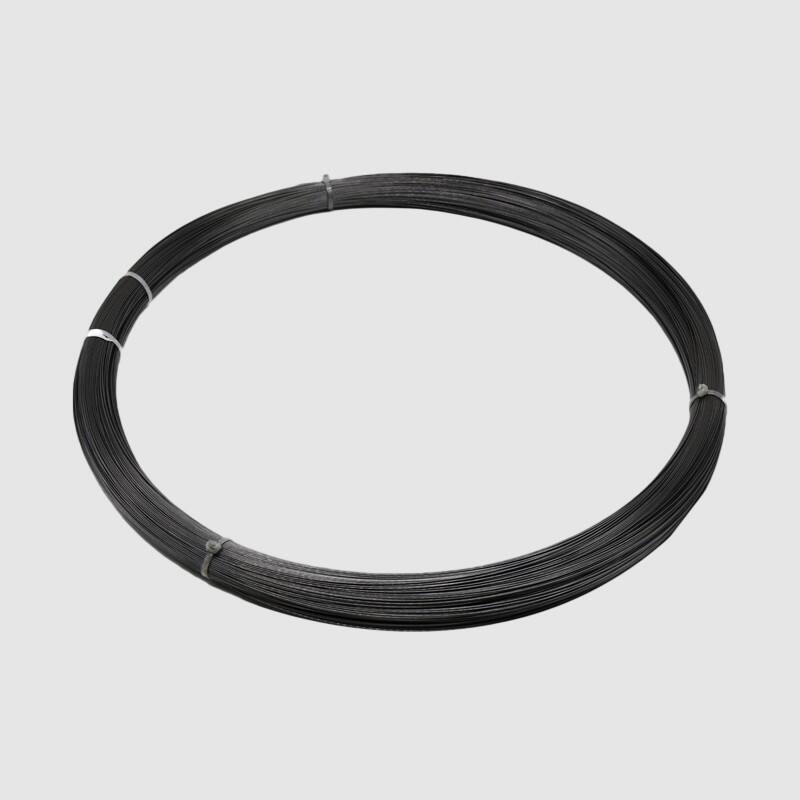
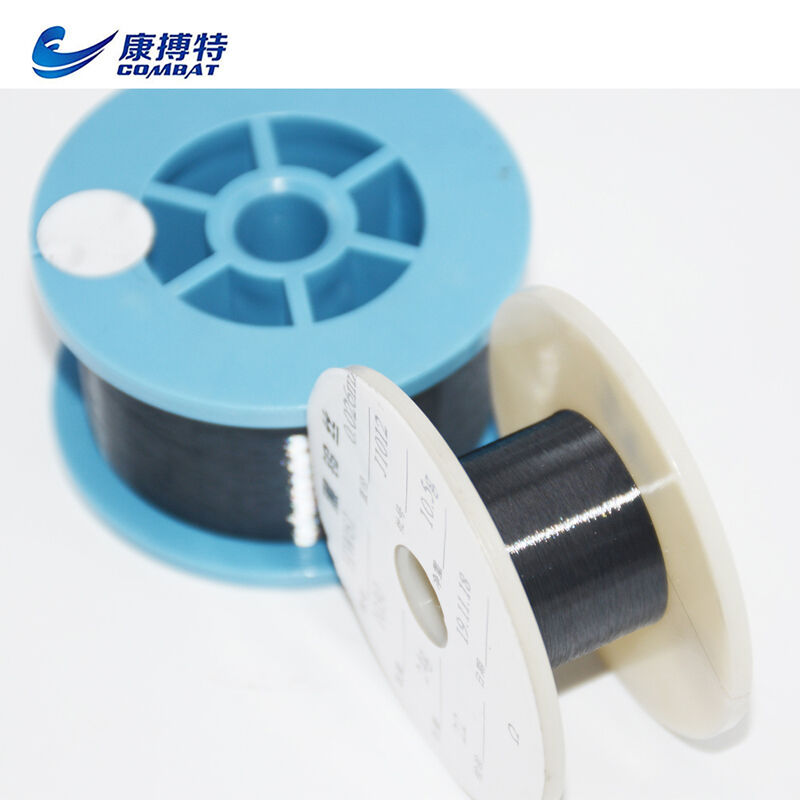
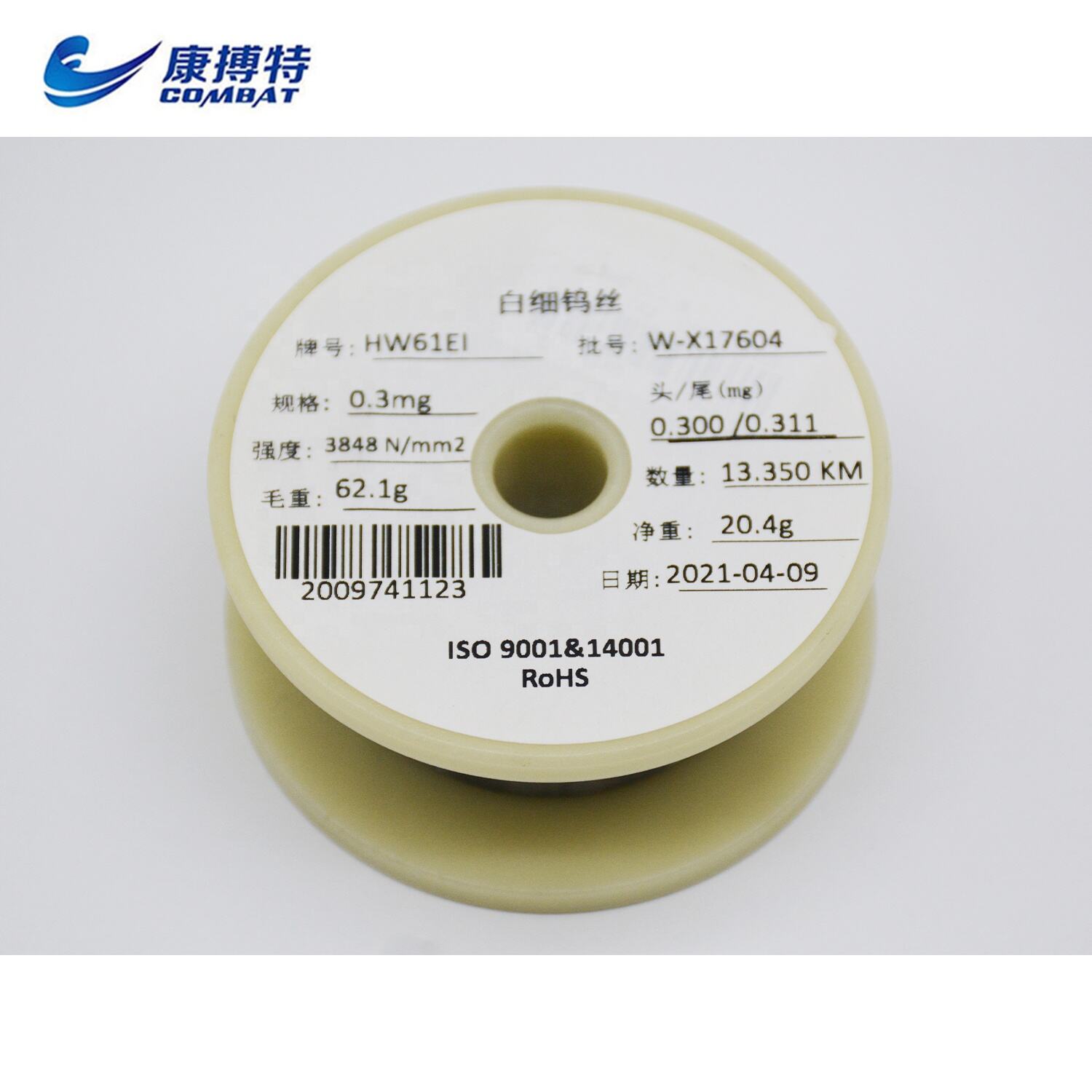
High purity tungsten wire combines exceptional mechanical properties with remarkable fabrication versatility, enabling engineers to create optimized solutions for challenging applications. The material's tensile strength remains impressive even at elevated temperatures, providing structural support and mechanical stability where other materials lose their load-bearing capacity. This strength allows designers to use thinner wire diameters, reducing material costs and thermal mass while maintaining adequate mechanical performance. The wire's ductility, carefully controlled through processing parameters, permits forming operations including coiling, bending, and shaping without cracking or work hardening that would compromise subsequent performance. Manufacturers can produce complex wire forms, precision springs, and intricate mesh structures that maintain their geometry under operating conditions. High purity tungsten wire exhibits excellent fatigue resistance, withstanding millions of thermal and mechanical cycles without developing cracks or experiencing premature failure. This durability proves critical in vibration-prone environments and applications involving repeated thermal expansion and contraction. The material's fine grain structure, achieved through controlled processing, contributes to superior mechanical properties and improved surface finish. Engineers appreciate the predictable behavior of high purity tungsten wire during welding and joining operations, where the material's high melting point and low reactivity enable reliable connections using resistance welding, laser welding, or mechanical crimping techniques. The wire's compatibility with various surface treatments and coatings expands its application range, allowing customization of surface properties for specific environmental conditions or functional requirements. In medical devices, high purity tungsten wire provides the biocompatibility and radiopacity needed for guidewires, stents, and surgical instruments, while its mechanical strength enables miniaturization of devices for minimally invasive procedures. The aerospace industry utilizes high purity tungsten wire in rocket nozzles, satellite components, and high-temperature sensors, where the combination of strength, temperature resistance, and dimensional stability ensures reliable operation in the harsh conditions of space. Research laboratories depend on high purity tungsten wire for scanning probe microscopy tips, micromanipulators, and specialized experimental apparatus, where the material's stiffness and fine-scale formability enable precision measurements and delicate sample handling. The wire's resistance to radiation damage makes it suitable for nuclear applications, maintaining structural integrity and electrical properties in high-flux environments that rapidly degrade alternative materials.




 EN