
 EN
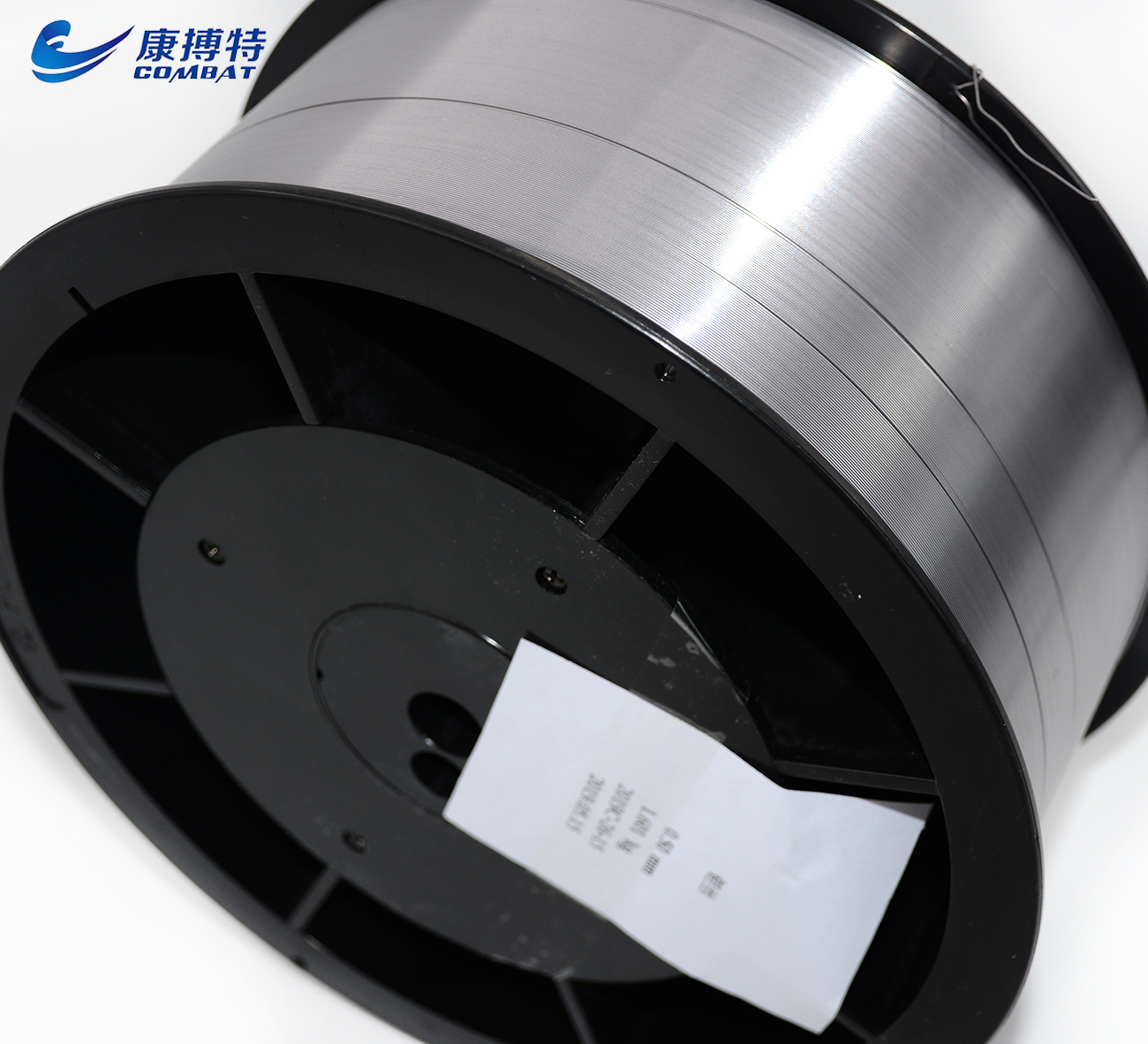
When engineers and material scientists evaluate options for extreme-environment applications, tungsten wire consistently stands out as a material of exceptional durability. Its ability to maintain dimensional integrity, mechanical strength, and surface consistency even after prolonged exposure to heat, mechanical stress, and corrosive conditions is not accidental. It is the direct result of tungsten's unique atomic structure, carefully controlled manufacturing processes, and specific microstructural properties that resist degradation over time. Understanding how this material achieves such long-term stability helps engineers make more informed decisions when selecting filaments, heating elements, reinforcement fibers, or precision components for demanding industrial applications.
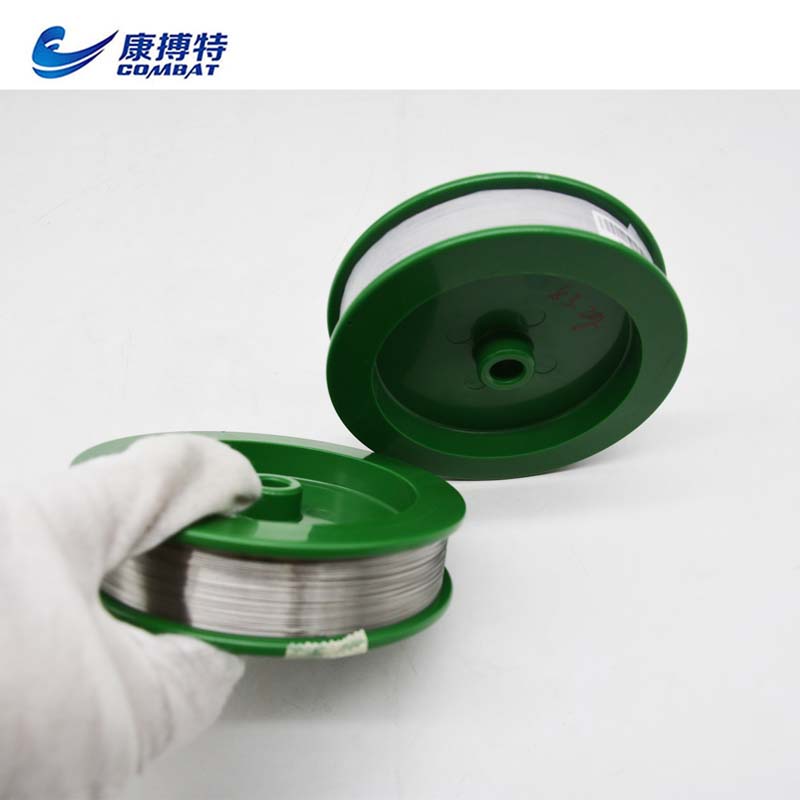
The structural stability of tungsten wire under long-term usage conditions is rooted in a combination of inherent material properties and post-processing treatments. Unlike many metallic conductors and structural materials that exhibit creep, grain growth, or oxidation-driven surface degradation with time and temperature, tungsten maintains its lattice structure and mechanical profile across a remarkably wide operating range. This article explores the underlying mechanisms, the role of microstructure, and the conditions under which this material performs most reliably, offering a technically grounded perspective for industrial buyers, R&D professionals, and application engineers.
The Atomic and Crystallographic Foundation of Stability
Body-Centered Cubic Structure and High Melting Point
Tungsten wire derives its foundational stability from tungsten's body-centered cubic (BCC) crystal structure, which provides a dense and highly symmetric atomic arrangement. This structure gives the material an extraordinary melting point of approximately 3,422 degrees Celsius, the highest of all pure metals. Because of this, the homologous temperature — the ratio of operating temperature to melting temperature — remains very low even in environments that would destroy most other metals. At low homologous temperatures, thermally activated deformation mechanisms such as dislocation climb and grain boundary sliding are effectively suppressed.
The strong metallic bonding in tungsten is enhanced by the partial filling of d-electron orbitals, which creates high electron density and cohesive energy between atoms. This means that atomic diffusion within the lattice proceeds extremely slowly under normal and even elevated operating temperatures. Slower atomic diffusion directly translates into resistance to creep — the gradual plastic deformation that causes materials to elongate or distort under sustained mechanical loads at elevated temperatures. For tungsten wire used in lighting, industrial furnaces, or precision instrumentation, this resistance to creep is essential for maintaining geometric accuracy across thousands of operational hours.
Additionally, the high bond strength in tungsten's crystal lattice produces a high Young's modulus, typically around 411 GPa. This stiffness means that tungsten wire resists elastic deformation under tension, vibration, or cyclic loading. In applications where dimensional consistency is critical — such as cathode filaments in electron microscopy or heating elements in semiconductor processing equipment — this elastic rigidity ensures that the wire retains its precise geometry over the entire service life of the component.
Role of Grain Boundaries in Long-Term Behavior
The microstructural behavior of grain boundaries plays an equally important role in determining long-term structural stability. In conventional polycrystalline metals, grain boundaries act as fast diffusion pathways and sites for void nucleation under thermal cycling. In tungsten wire, the controlled grain boundary chemistry achieved through alloying — particularly with potassium dopants in non-sag tungsten — dramatically alters boundary behavior. Potassium-doped tungsten develops elongated, interlocking grains during wire drawing and high-temperature annealing, creating a grain morphology that resists boundary migration.
The elongated grain structure means that even at operating temperatures above 2,000 degrees Celsius, grain growth is kinetically suppressed. This is critical because unrestricted grain growth would reduce the number of grain boundaries, create a coarser microstructure, and dramatically reduce the wire's resistance to sag and sagging-induced cracking. By maintaining fine, elongated, and well-anchored grains, tungsten wire preserves its internal architecture under conditions of repeated thermal cycling. This is why potassium-doped non-sag tungsten is the standard choice for incandescent and halogen lamp filaments that undergo millions of on-off cycles during their service lives.
Mechanical Integrity Under Sustained Load and Thermal Stress
Creep Resistance Across Temperature Ranges
Creep behavior is one of the most practically important aspects of long-term structural stability for any wire material used at elevated temperatures. Tungsten wire exhibits exceptionally low creep rates across a wide temperature range. Below approximately 1,000 degrees Celsius, the primary creep mechanism involves the motion of dislocations through the lattice, and at these temperatures, the high lattice friction stress (Peierls stress) in tungsten effectively immobilizes dislocations. This means that under sustained mechanical load, the wire will not progressively elongate or distort in ways that could compromise its function.
Even above 1,500 degrees Celsius, where diffusion-assisted creep mechanisms begin to activate in other metals, tungsten wire maintains measurably lower creep rates than alternatives such as molybdenum or rhenium. This relative advantage stems directly from tungsten's higher activation energy for self-diffusion, which dictates how quickly atoms can rearrange in response to applied stress. Engineers designing long-life heating elements or thermocouples operating above 1,800 degrees Celsius frequently rely on tungsten wire precisely because the creep rates at these temperatures remain within manageable engineering tolerances over operational lifetimes measured in years rather than months.
In wire-wound resistors and thermocouple sheaths, where mechanical load and thermal stress coexist, the combination of low creep rate and high stiffness ensures that tungsten wire retains its wound geometry. This geometric fidelity is not merely an aesthetic consideration — it directly affects electrical resistance uniformity, thermal distribution, and ultimately the precision and repeatability of the application. A wire that slowly deforms under its own weight at high temperatures would introduce measurement error in scientific instruments or uneven heating in industrial furnaces.
Resilience Under Thermal Cycling and Fatigue
Beyond static load conditions, many applications subject tungsten wire to repeated cycles of rapid heating and cooling. Each thermal cycle introduces differential stresses as the wire expands and contracts. Over time, these cyclic stresses can accumulate as fatigue damage in the form of microcracks, particularly at grain boundaries or inclusion sites. However, the microstructural features of well-processed tungsten wire — including clean grain boundaries, low porosity, and controlled impurity content — significantly reduce fatigue crack initiation and propagation rates.
The absence of low-melting-point impurities at grain boundaries is especially important under thermal cycling. Impurities such as sulfur, phosphorus, or oxygen can form weak intergranular films that preferentially fracture under cyclic thermal stress. Modern tungsten wire manufacturing protocols use high-purity starting powder and carefully controlled sintering atmospheres to minimize such impurity concentrations. The result is a wire with clean, strong grain boundaries that can absorb elastic strain energy during thermal cycling without developing brittle intergranular fracture. This translates directly into a longer useful service life measured in consistent thermal cycles before failure.
Surface Stability and Oxidation Resistance Mechanisms
Oxide Layer Formation and Its Implications
Surface stability is just as critical as bulk mechanical stability when evaluating long-term performance of tungsten wire. In air, tungsten begins to form surface oxides — primarily tungsten trioxide — at temperatures above approximately 400 degrees Celsius. While this might suggest vulnerability, the behavior of these oxides under typical application conditions is carefully managed. In most high-temperature applications, tungsten wire is deployed in vacuum, inert gas, or reducing atmospheres precisely because oxide formation at extreme temperatures can become volatile and cause progressive mass loss from the wire surface.
In vacuum or inert environments, the surface of tungsten wire remains effectively stable for very long operational periods. The evaporation of tungsten atoms from the surface is the primary long-term degradation mechanism in vacuum applications such as lamp filaments, and this process is highly temperature-dependent. Engineers optimize operating temperatures to balance luminous efficiency against evaporation-driven thinning. Halogen-cycle lamps use a gas chemistry that redeposits evaporated tungsten back onto the wire surface, effectively extending service life and maintaining structural stability beyond what a simple vacuum design would allow.
Behavior in Controlled Atmospheres and Protective Coatings
Where tungsten wire must operate in partially oxidizing or reactive environments, surface treatment strategies become important for maintaining long-term structural integrity. Rhenium alloying is one approach: tungsten-rhenium alloys not only improve ductility at low temperatures but also modify surface oxidation kinetics in a way that reduces the rate of surface degradation. The rhenium content stabilizes the surface oxide chemistry and reduces the tendency for oxide spallation, which is a physical process by which oxide layers crack and detach from the base metal, exposing fresh metal to further oxidation.
Thin ceramic or metallic coatings applied to tungsten wire represent another engineering strategy for extending surface stability. Coatings based on rhenium, iridium, or advanced ceramic materials can form effective diffusion barriers that slow down surface reactions. These approaches are particularly relevant in aerospace and nuclear applications, where tungsten wire may be exposed to reactive gas mixtures or irradiation environments that would accelerate surface degradation in unprotected materials. The selection of the appropriate surface protection strategy depends on the specific reactive species, temperature, pressure, and required service duration of the application.
Manufacturing Process Contributions to Long-Term Stability
Wire Drawing, Annealing, and Microstructural Control
The long-term structural stability of tungsten wire is not solely determined by the intrinsic properties of the metal — it is also heavily influenced by the quality and precision of the manufacturing process. The production of tungsten wire begins with powder metallurgy: high-purity tungsten oxide is reduced to metallic powder, which is then pressed and sintered into billets. The microstructural quality of this sinter, particularly grain size and porosity, sets the foundation for all subsequent processing and for the final wire's long-term behavior.
Wire drawing — the process of reducing the billet diameter through a series of dies — introduces significant cold work into the material, creating a high dislocation density and elongated grain structure. This work hardening increases yield strength and reduces ductile-to-brittle transition sensitivity. Intermediate and final annealing treatments are used to relieve residual stresses and develop the characteristic elongated grain structure that provides non-sag performance. The precise control of annealing temperature, time, and atmosphere is critical: over-annealing leads to grain coarsening that reduces creep resistance, while under-annealing leaves residual stress concentrations that can accelerate fatigue under long-term cyclic loading.
Diameter Tolerance, Surface Finish, and Consistency
In addition to microstructural control, the physical consistency of tungsten wire — its diameter uniformity, surface roughness, and freedom from surface defects — plays a direct role in long-term structural stability. Diameter variations along the wire length create stress concentrations under applied load, and local thin spots will preferentially fail under creep or fatigue conditions. Precision wire drawing with tight die tolerances and regular measurement control ensures that diameter deviations remain within specification, typically held to tolerances of ±0.5 to ±1 percent of nominal diameter in high-quality production.
Surface finish quality affects both the fatigue resistance and the oxidation behavior of tungsten wire. A smooth, defect-free surface has fewer crack initiation sites and presents a more uniform area to reactive environments. Polished or bright-drawn tungsten wire used in precision applications undergoes additional surface finishing steps that remove drawing lubricant residues, surface oxides, and microcracks introduced during the cold-drawing process. These finishing treatments ensure that the wire arrives in service with the best possible surface condition, maximizing its resistance to degradation from the very beginning of its operational life.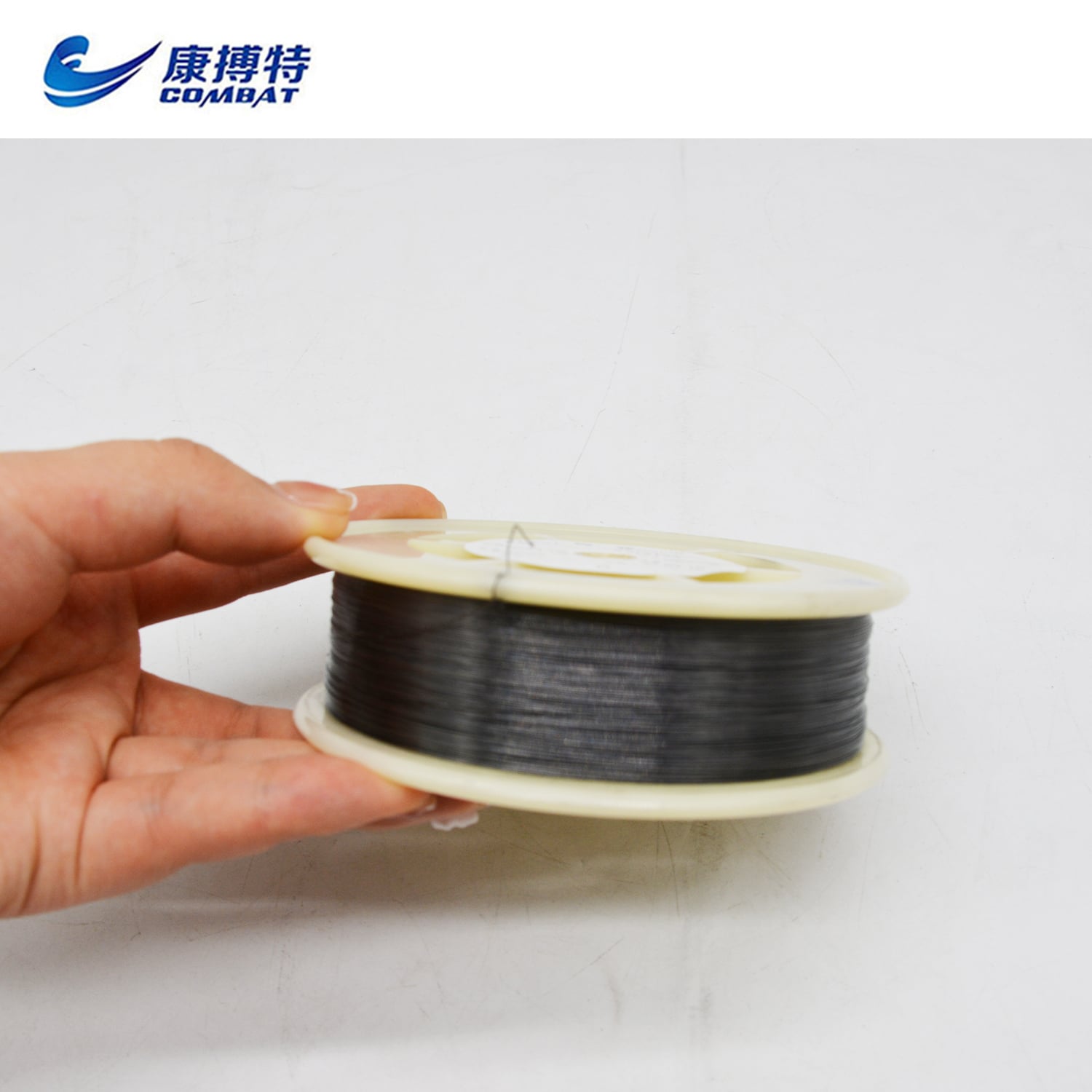
FAQ
What temperature range can tungsten wire reliably withstand over extended periods?
Tungsten wire can reliably operate at temperatures up to approximately 2,500 degrees Celsius in vacuum or inert gas environments for extended durations. At these temperatures, creep and surface evaporation rates remain within acceptable limits for most industrial applications. In oxidizing atmospheres, the practical upper service temperature is significantly lower, typically below 500 degrees Celsius, unless protective measures are applied. The specific operating temperature limit depends on the wire diameter, the applied load, the atmosphere, and the acceptable rate of dimensional change over the intended service life.
How does the grain structure of tungsten wire affect its service life?
The grain structure of tungsten wire has a profound effect on service life. Potassium-doped non-sag tungsten develops elongated, interlocking grains that resist boundary migration and grain growth at high temperatures. This microstructure dramatically reduces sag — the tendency of a hot wire to deform under gravity — and resists fatigue crack propagation along grain boundaries. Wires with fine, elongated, and chemically clean grains consistently outperform coarse-grained or impurity-contaminated wires in long-term thermal cycling tests, making grain structure a primary quality criterion in demanding applications.
Is tungsten wire suitable for applications that involve repeated thermal cycling?
Tungsten wire is well-suited for applications involving repeated thermal cycling, provided that the wire is of appropriate purity and microstructural quality. The key factors that determine suitability are the rate of temperature change during each cycle, the maximum temperature reached, and the mechanical constraints on the wire. Rapid quenching from very high temperatures can induce thermal shock in thicker-diameter wires, but fine-diameter wire typically accommodates thermal gradients more effectively. Properly processed tungsten wire with clean grain boundaries and low residual stress can withstand millions of thermal cycles in lamp filament applications before reaching end of life.
What distinguishes pure tungsten wire from tungsten alloy wire in terms of long-term stability?
Pure tungsten wire offers the highest melting point and the best performance in very high-temperature vacuum applications, but it is relatively brittle at room temperature and susceptible to embrittlement after prolonged high-temperature exposure due to grain growth. Tungsten alloy wires — particularly tungsten-rhenium and potassium-doped varieties — improve low-temperature ductility, reduce grain growth rates, and enhance thermal cycling resistance. The choice between pure and alloyed tungsten wire depends on the balance of operating temperature requirements, mechanical handling needs, and the specific degradation mechanisms most likely to limit service life in the intended application environment.
Table of Contents
- The Atomic and Crystallographic Foundation of Stability
- Mechanical Integrity Under Sustained Load and Thermal Stress
- Surface Stability and Oxidation Resistance Mechanisms
- Manufacturing Process Contributions to Long-Term Stability
-
FAQ
- What temperature range can tungsten wire reliably withstand over extended periods?
- How does the grain structure of tungsten wire affect its service life?
- Is tungsten wire suitable for applications that involve repeated thermal cycling?
- What distinguishes pure tungsten wire from tungsten alloy wire in terms of long-term stability?