
 EN
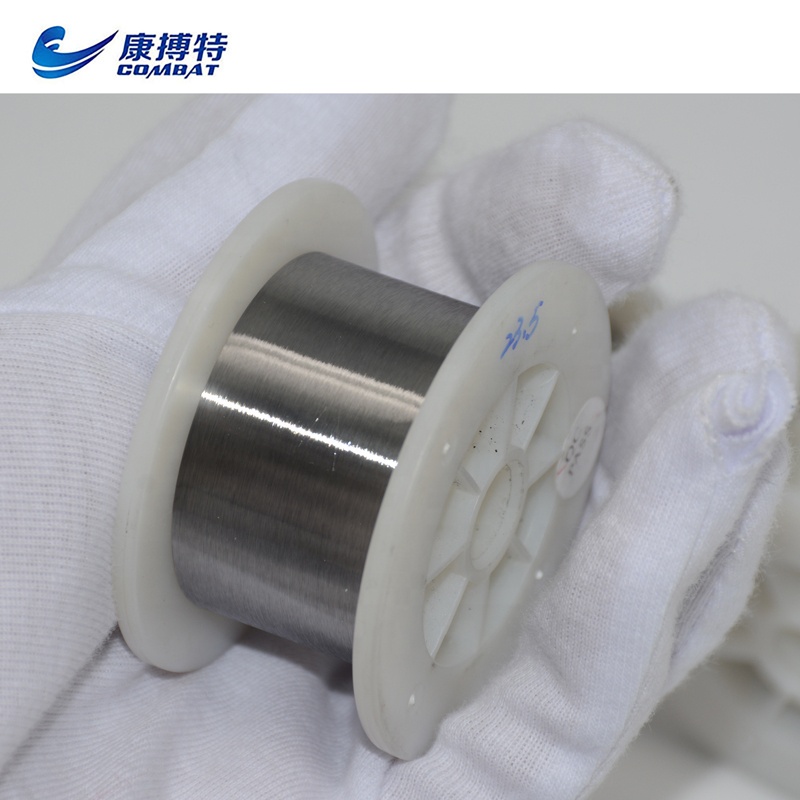
Tungsten wire has become the material of choice for engineers and manufacturers operating in extreme environments where conventional metals fail. When temperatures soar beyond the melting points of standard materials and equipment must function in vacuum conditions, tungsten wire delivers reliability and performance that few alternatives can match. Understanding why tungsten wire dominates these demanding applications requires exploring its exceptional material properties, thermal characteristics, and proven performance across diverse industrial sectors.

The widespread adoption of tungsten wire in high temperature and vacuum environments reflects decades of industrial evolution and material science advancement. From aerospace components to laboratory equipment and semiconductor manufacturing, tungsten wire provides the thermal stability, electrical conductivity, and mechanical integrity required for mission-critical operations. This article examines the fundamental reasons why tungsten wire has become indispensable in these specialized fields.
Exceptional Thermal Stability and Melting Point
Highest Melting Point Among Industrial Metals
Tungsten wire possesses the highest melting point of any metal at approximately 3,422 degrees Celsius, making it uniquely suited for extreme thermal environments. This remarkable thermal characteristic ensures that tungsten wire remains structurally sound and maintains its physical properties even when subjected to temperatures that would instantly vaporize or degrade other materials. No other widely available metal can tolerate such extreme heat without experiencing significant softening or loss of mechanical strength. The exceptional melting point of tungsten wire is why aerospace engineers and furnace manufacturers specify it for critical applications where reliability cannot be compromised.
Thermal Expansion Control
Tungsten wire demonstrates minimal thermal expansion across its operational temperature range, a property crucial for precision applications. When materials expand and contract dramatically with temperature changes, dimensional accuracy suffers and mechanical stress accumulates within equipment structures. The stable dimensional characteristics of tungsten wire prevent these problems, allowing equipment designers to maintain tight tolerances even in fluctuating thermal environments. This thermal stability of tungsten wire translates directly into longer equipment lifespan and improved operational reliability in high temperature processes.
Superior Performance in Vacuum Environments
Chemical Inertness and Low Vapor Pressure
Tungsten wire exhibits exceptional chemical inertness and extremely low vapor pressure, properties that make it ideal for vacuum applications where contamination must be minimized. In vacuum chambers and electron microscopes, trace amounts of material contamination can compromise experimental results and damage sensitive equipment. Tungsten wire remains stable without releasing volatile compounds or reacting with surrounding surfaces, maintaining vacuum integrity over extended operational periods. The chemical stability of tungsten wire ensures clean vacuum conditions essential for semiconductor manufacturing, research facilities, and specialized analytical equipment.
Resistance to Thermal Cycling Stress
Vacuum environments combined with rapid temperature fluctuations create severe stress conditions that degrade most materials through repeated expansion and contraction cycles. Tungsten wire withstands thousands of thermal cycles without developing cracks, warping, or surface degradation. This exceptional durability of tungsten wire under thermal cycling stress is why it appears in high-powered vacuum tubes, heating elements in mass spectrometers, and electron beam equipment. The material's ability to maintain integrity through severe thermal cycling directly reduces maintenance costs and extends the service life of expensive vacuum systems.
Electrical and Mechanical Properties
Excellent Electrical Conductivity at High Temperatures
While tungsten wire is not as conductive as copper at room temperature, it maintains superior electrical conductivity at elevated temperatures where copper and aluminum become impractical. The electrical resistance of tungsten wire remains stable and predictable across extreme temperature ranges, enabling precise control of heating elements and electrical circuits. This unique combination of high temperature tolerance and electrical reliability makes tungsten wire essential for heating elements in furnaces, welding equipment, and semiconductor processing systems. The electrical properties of tungsten wire allow manufacturers to design equipment that operates efficiently even when standard conductive materials would fail.
High Tensile Strength and Mechanical Rigidity
Tungsten wire maintains exceptional mechanical strength even at temperatures where other metals become soft and malleable. The tensile strength of tungsten wire remains remarkably high throughout its operational range, enabling structural applications where mechanical integrity cannot be compromised. This combination of strength and heat resistance is why tungsten wire appears in suspension systems for heating elements, structural supports in furnaces, and mechanical components in vacuum chambers. The mechanical properties of tungsten wire ensure that equipment can withstand both thermal stress and mechanical loads without premature failure.
Industrial Applications and Practical Benefits
Versatility Across Manufacturing and Research Sectors
Tungsten wire serves critical roles across diverse industries including aerospace, electronics manufacturing, laboratory equipment, and energy production. In incandescent lighting, tungsten wire filaments provide reliable illumination while withstanding repeated thermal cycling. Semiconductor manufacturers depend on tungsten wire heating elements to maintain precise temperature control during integrated circuit production. Research facilities utilize tungsten wire in electron microscopes, mass spectrometers, and analytical instruments where material stability is absolutely essential. The widespread adoption of tungsten wire across these varied sectors demonstrates its unmatched suitability for demanding applications.
Cost-Effectiveness and Long Service Life
Although tungsten wire carries a higher initial material cost compared to conventional alternatives, its exceptional durability and extended service life provide superior long-term value. Equipment incorporating tungsten wire components requires less frequent replacement and maintenance compared to systems using less robust materials. The reliability and consistency of tungsten wire reduce operational disruptions, minimize costly downtime, and decrease the total cost of ownership over equipment lifetime. Manufacturers and facility operators recognize that investing in tungsten wire components delivers measurable economic benefits through improved reliability and extended operational efficiency.
FAQ
What temperature range can tungsten wire safely operate within?
Tungsten wire can safely operate continuously at temperatures up to 2,400 degrees Celsius in air and even higher in protected or vacuum environments. The maximum operating temperature depends on specific application conditions including atmosphere, mechanical stress, and duration of exposure. For peak performance and extended service life, most equipment designers maintain operating temperatures below the material's melting point with sufficient safety margin. Consulting with material specialists ensures optimal temperature selection for your specific tungsten wire application.
Why is tungsten wire preferred over molybdenum wire in extreme conditions?
Tungsten wire offers a higher melting point, approximately 400 degrees Celsius above molybdenum, providing superior performance in the most extreme thermal environments. While molybdenum wire remains an acceptable alternative for many applications, tungsten wire delivers greater reliability and longer service life when operating at maximum temperature limits. The choice between tungsten wire and alternatives depends on specific temperature requirements, vacuum conditions, and performance demands of your equipment. Engineering analysis determines which material provides the optimal balance of performance and cost for your particular application.
Can tungsten wire be easily recycled or reclaimed?
Yes, tungsten wire can be recycled and reclaimed, making it environmentally responsible and economically valuable at end-of-life. Spent tungsten wire components retain significant material value and can be processed through specialized recycling facilities to recover the tungsten content. This recyclability reduces overall material waste and provides economic incentive for proper equipment disposal. Facilities using tungsten wire should establish relationships with qualified recycling providers to recover material value while supporting environmental sustainability initiatives.