
 EN
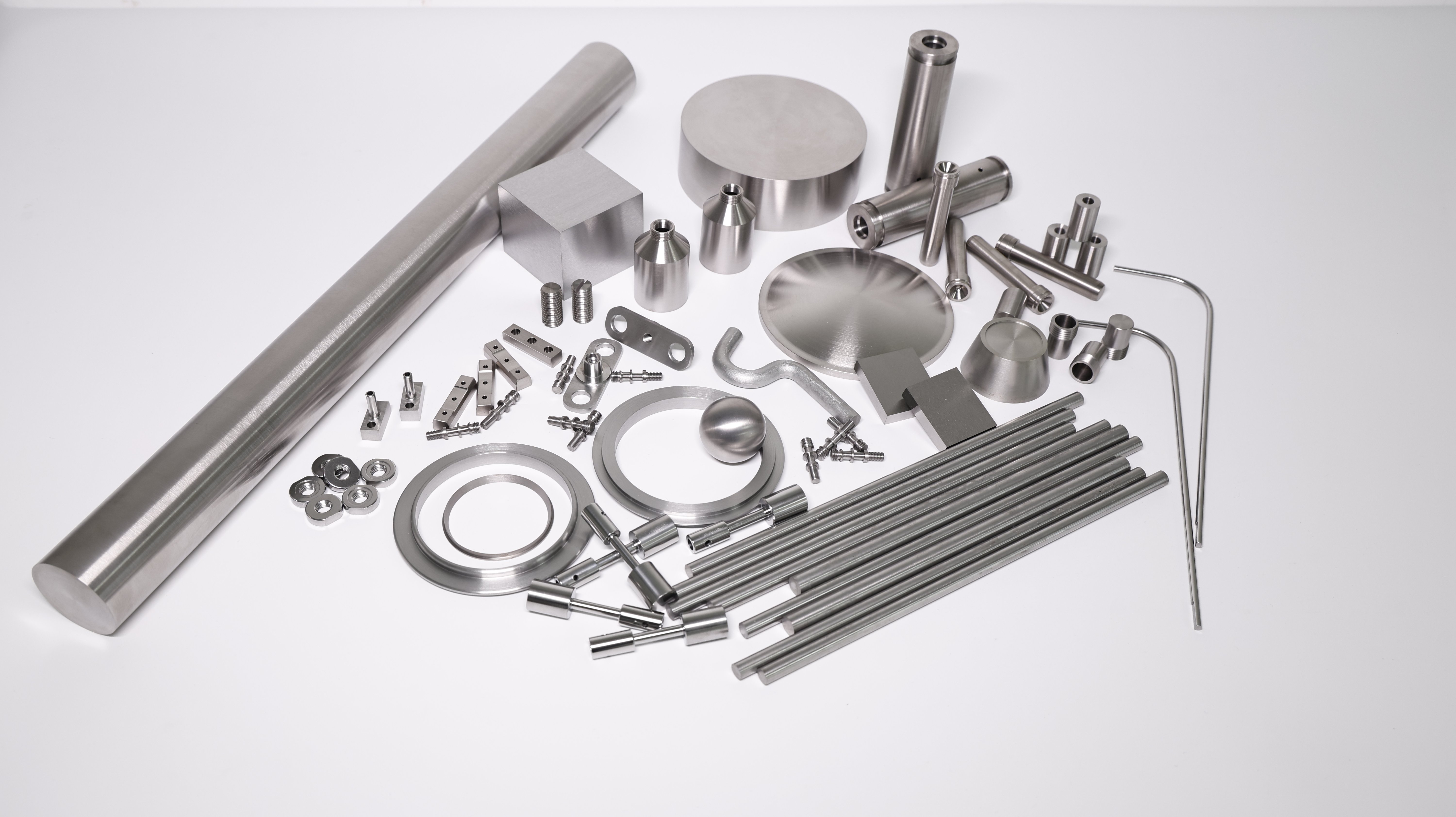
Radiation protection represents one of the most critical challenges in modern industrial, medical, and defense applications. Organizations worldwide invest heavily in shielding solutions to protect personnel, equipment, and sensitive operations from harmful radiation exposure. Among all available materials, tungsten heavy alloy has emerged as the gold standard for radiation shielding because of its exceptional density, superior stopping power, and proven effectiveness in extreme environments. Understanding why tungsten heavy alloy outperforms conventional shielding materials requires examining the material's unique atomic structure, physical properties, and real-world performance in demanding applications.
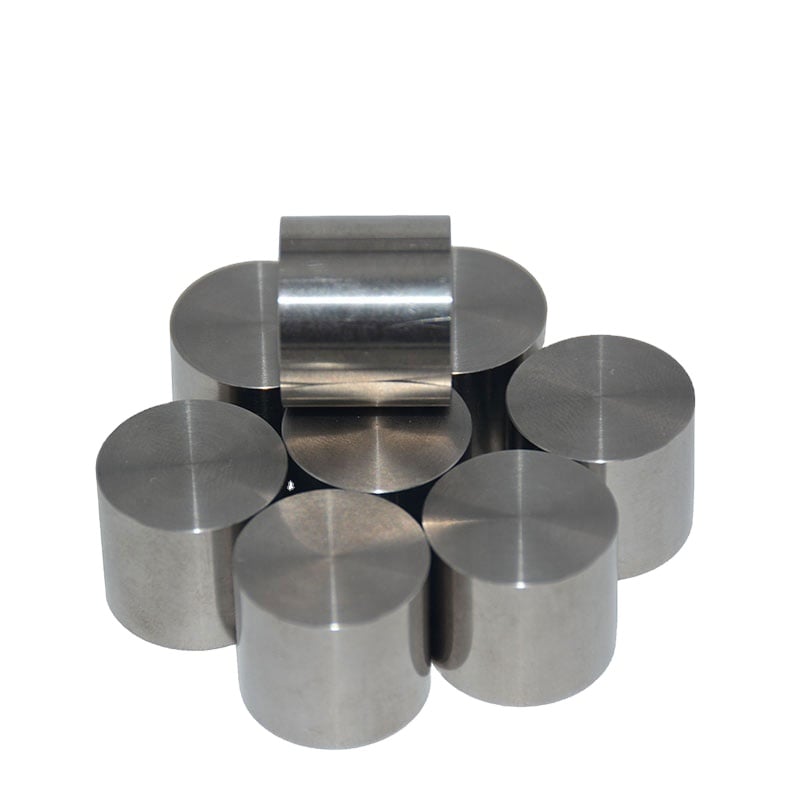
The superiority of tungsten heavy alloy in radiation protection stems from fundamental physics and material science principles. When radiation encounters dense material, the probability of interaction increases dramatically, which means more radiation gets absorbed before penetrating through to protected areas. Tungsten heavy alloy combines tungsten's extraordinary atomic weight with other metals to create a composite material that achieves unmatched density while maintaining workability and cost-effectiveness compared to pure tungsten. This combination of properties makes tungsten heavy alloy the preferred choice for applications where space constraints, weight limitations, and radiation protection requirements converge.
Atomic Density and Radiation Stopping Power
Why Density Matters for Radiation Shielding
Radiation shielding effectiveness depends directly on the number of atoms per unit volume that can interact with incoming particles and photons. Tungsten heavy alloy provides approximately 19.25 grams per cubic centimeter of density, which exceeds most alternative shielding materials by substantial margins. This extreme density means that tungsten heavy alloy can achieve equivalent shielding protection in significantly thinner sections compared to lead or concrete. For medical imaging facilities, aerospace applications, and nuclear installations, this density advantage translates into reduced weight, smaller equipment footprints, and lower installation costs while maintaining or exceeding radiation protection standards.
Interaction Mechanisms with Different Radiation Types
Tungsten heavy alloy protects against multiple radiation types through different physical mechanisms. For gamma radiation, the high atomic number of tungsten increases photoelectric absorption and pair production interactions. For X-rays used in medical diagnostics, tungsten heavy alloy components reduce patient exposure by stopping unnecessary scatter radiation while allowing controlled beams to reach detection equipment. Neutron shielding requires different considerations, but tungsten heavy alloy combined with hydrogen-rich materials creates effective composite solutions. The versatility of tungsten heavy alloy across multiple radiation protection scenarios explains its widespread adoption in industries where diverse radiation sources pose operational challenges.
Superior Material Properties for Defense and Industrial Use
Mechanical Strength and Durability Under Stress
Defense systems and industrial radiation sources operate under harsh conditions that demand materials capable of withstanding mechanical stress, temperature variations, and chemical exposure. Tungsten heavy alloy exhibits exceptional hardness and compressive strength that exceeds most competing materials. This mechanical resilience ensures that tungsten heavy alloy shielding components maintain structural integrity even when subjected to vibration, impact, or thermal cycling. Applications requiring both radiation protection and mechanical robustness, such as military radiation detection equipment and high-energy physics experiments, specifically depend on tungsten heavy alloy to deliver dual performance where other materials would fail or require redundant engineering solutions.
Thermal Stability and Operational Flexibility
Industrial and defense environments frequently expose shielding materials to elevated temperatures, which can degrade material properties and compromise radiation protection effectiveness. Tungsten heavy alloy maintains its protective characteristics across wide temperature ranges from cryogenic conditions to several hundred degrees Celsius. This thermal stability allows tungsten heavy alloy to function reliably in applications involving high-energy particle accelerators, reactor environments, and aerospace systems exposed to extreme temperature variations. The material's resistance to thermal degradation means that tungsten heavy alloy components require minimal maintenance and deliver consistent performance throughout their operational lifespan, reducing lifecycle costs and operational disruption.
Cost-Effectiveness and Practical Implementation Advantages
Economic Comparison to Alternative Materials
While pure tungsten offers excellent radiation shielding properties, its cost and brittleness limit widespread industrial application. Tungsten heavy alloy optimizes this balance by combining tungsten with nickel, iron, or cobalt to improve workability while maintaining superior shielding performance. Compared to lead-based shielding, tungsten heavy alloy provides significantly better radiation protection at comparable or lower total system cost when accounting for thickness reduction and weight savings. Medical facilities, industrial radiation sources, and defense contractors increasingly specify tungsten heavy alloy because the material delivers superior protection per unit cost over the equipment's entire operational lifetime.
Manufacturing Flexibility and Customization
Tungsten heavy alloy can be manufactured through powder metallurgy, forging, and machining processes that enable production of complex shapes, precise thicknesses, and customized components tailored to specific applications. This manufacturing flexibility allows engineers to design shielding systems that fit existing equipment architectures rather than requiring infrastructure modifications to accommodate rigid shielding solutions. Medical imaging systems, portable radiation detection equipment, and specialized defense applications all benefit from the ability to customize tungsten heavy alloy components for optimal fit and performance. The ease of working with tungsten heavy alloy compared to pure tungsten accelerates product development cycles and reduces engineering complexity in systems where radiation protection requirements must integrate seamlessly with other operational functions.
FAQ
How does tungsten heavy alloy compare to lead for radiation shielding?
Tungsten heavy alloy outperforms lead in several critical dimensions for modern applications. Tungsten heavy alloy delivers superior radiation stopping power at roughly one-third the thickness required for lead, resulting in smaller, lighter, and more compact shielding systems. Lead poses significant environmental and health concerns due to toxicity, whereas tungsten heavy alloy presents no toxicological hazards during manufacturing or disposal. Additionally, tungsten heavy alloy maintains its protective properties across wider temperature ranges and offers better mechanical strength, making it more suitable for demanding industrial and defense environments where lead would degrade or require protective encapsulation.
Can tungsten heavy alloy be recycled or safely disposed of?
Tungsten heavy alloy components can be recycled through established metal recovery processes, making it an environmentally responsible choice compared to lead-based alternatives. The material poses no biological accumulation risks or environmental contamination concerns during disposal or recycling operations. Industrial facilities can recover tungsten from spent shielding components and reprocess the material into new applications, supporting circular economy principles while recovering material value. This recyclability advantage gives tungsten heavy alloy additional economic appeal over its operational lifetime, as organizations can recover material costs at end-of-life rather than facing expensive hazardous waste disposal requirements.
What industries primarily use tungsten heavy alloy for radiation shielding?
Medical imaging facilities employ tungsten heavy alloy extensively in CT scanner components, radiation therapy equipment, and diagnostic imaging systems where precise shielding requirements must integrate within compact equipment designs. Nuclear power plants and research facilities use tungsten heavy alloy for specialized shielding applications requiring both radiation protection and mechanical durability in extreme operational environments. Aerospace and defense applications depend on tungsten heavy alloy for radiation detection systems, specialized military equipment, and high-energy physics research facilities. Industrial radiation sources, food sterilization equipment, and materials testing facilities also specify tungsten heavy alloy where radiation protection requirements combine with space limitations and performance demands that conventional materials cannot satisfy.