
 EN
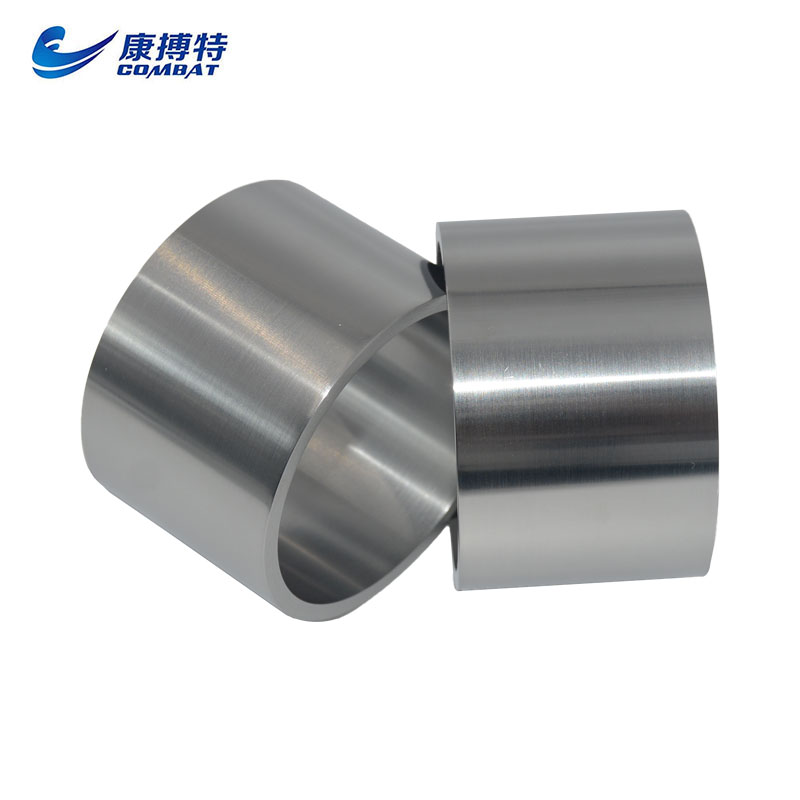
Understanding the factors that influence tungsten heavy alloy density and strength is critical for engineers, manufacturers, and procurement professionals working in aerospace, defense, medical, and industrial applications. The performance characteristics of tungsten heavy alloy materials depend on multiple interconnected variables that range from raw material composition to advanced processing techniques. A comprehensive grasp of these influencing factors enables organizations to select, specify, and deploy tungsten heavy alloy solutions that meet exact operational requirements while optimizing cost-effectiveness and reliability.

The density and strength of tungsten heavy alloy materials represent two of the most critical mechanical properties in demanding industrial environments. Unlike conventional steels or aluminum alloys, tungsten heavy alloy achieves exceptional density through tungsten's naturally high atomic weight combined with carefully controlled secondary elements. The resulting material density typically ranges from 17.5 to 19.5 grams per cubic centimeter, making tungsten heavy alloy one of the densest commercial engineering materials available. This exceptional density, paired with impressive strength characteristics, positions tungsten heavy alloy as a preferred choice for weight-critical and high-stress applications where conventional materials fall short of performance demands.
Composition and Element Selection
Tungsten Content and Base Matrix
The primary determinant of tungsten heavy alloy density is the tungsten content within the alloy matrix. Most tungsten heavy alloy formulations contain between 85% and 98% tungsten by weight, with the remaining percentage distributed among carefully selected binder and reinforcement elements. Higher tungsten content directly correlates with increased material density, as tungsten itself possesses a density of 19.25 grams per cubic centimeter. When tungsten heavy alloy designers specify formulations at the upper end of the tungsten range, they achieve maximum density benefits while accepting potential trade-offs in processability and ductility. The tungsten heavy alloy base matrix serves as the foundational structure, with tungsten particles distributed throughout the binder phase to achieve the desired density and strength profile.
Binder Metal Influence
Binder metals such as nickel, iron, and cobalt play a crucial role in determining both the density and strength characteristics of tungsten heavy alloy materials. The selection of binder metal directly affects how tungsten heavy alloy performs under stress, influences its ductility, and modifies its thermal and electrical conductivity. Iron-based tungsten heavy alloy formulations typically offer cost advantages and good machinability, while nickel-cobalt binder systems in tungsten heavy alloy compositions provide enhanced ductility and corrosion resistance. The binder metal content in tungsten heavy alloy typically represents 2% to 15% of total composition by weight, with this seemingly small percentage exerting significant influence over the alloy's mechanical and physical properties. Engineers selecting tungsten heavy alloy materials must carefully evaluate binder metal options based on specific application requirements, environmental exposure, and manufacturing constraints.
Processing Methods and Microstructure Development
Powder Metallurgy and Sintering
The manufacturing process fundamentally shapes the density and strength of tungsten heavy alloy materials. Powder metallurgy, the dominant production method for tungsten heavy alloy, begins with tungsten powder that undergoes careful sizing, mixing, and compaction stages. The sintering temperature applied to tungsten heavy alloy during processing directly influences final density achievement, with higher temperatures generally producing denser, stronger components. During sintering, tungsten heavy alloy particles bond together while the binder metal system distributes throughout the microstructure, creating the characteristic density profile that distinguishes tungsten heavy alloy from conventional alloys. The sintering atmosphere, heating rate, and cooling protocol all contribute to the final microstructural arrangement within tungsten heavy alloy, affecting both density uniformity and mechanical strength distribution.
Particle Size and Distribution
Tungsten particle size within tungsten heavy alloy formulations significantly impacts the final material's density and strength characteristics. Fine tungsten particles in tungsten heavy alloy compositions promote more uniform density distribution and typically enhance strength by reducing porosity and creating more effective particle-binder interfaces. Coarse tungsten particle distributions in tungsten heavy alloy materials can result in lower overall density due to increased void formation during the sintering process. The particle size distribution specification for tungsten heavy alloy production requires precise control to ensure consistency across manufacturing batches. Optimized tungsten heavy alloy particles achieve uniform packing density during compaction, which translates directly into superior final density and strength properties after sintering.
Heat Treatment and Property Optimization
Stress Relief and Annealing
Post-sintering heat treatment significantly modifies the density and strength characteristics of tungsten heavy alloy materials. Stress relief annealing applied to tungsten heavy alloy components removes residual stresses from the manufacturing process, preventing dimensional instability and improving overall strength reliability. The temperature profile selected for tungsten heavy alloy heat treatment must be carefully calibrated to avoid excessive grain growth, which would compromise the strength advantages inherent in tungsten heavy alloy materials. Different tungsten heavy alloy applications require tailored heat treatment protocols, with some demanding aggressive annealing while others benefit from minimal thermal processing. The relationship between heat treatment parameters and tungsten heavy alloy final properties has been extensively documented in materials science literature, confirming that temperature, duration, and atmospheric conditions all influence the density stability and mechanical strength of tungsten heavy alloy components.
Secondary Processing and Densification
Advanced densification techniques available for tungsten heavy alloy production further enhance material properties beyond conventional sintering. Hot isostatic pressing, when applied to tungsten heavy alloy materials, eliminates residual porosity and achieves near-theoretical density levels in tungsten heavy alloy components. This specialized processing method for tungsten heavy alloy significantly improves both density uniformity and strength performance, particularly valuable for critical aerospace and defense applications. The decision to employ advanced densification on tungsten heavy alloy projects involves cost-benefit analysis, as these techniques increase production expenses but deliver superior final material properties. Organizations choosing to invest in tungsten heavy alloy with advanced densification gain competitive advantages through enhanced reliability and performance consistency.
Environmental and Service Factors
Temperature Effects on Strength
Operating temperature significantly influences the sustained strength and density stability of tungsten heavy alloy materials during service. While tungsten heavy alloy maintains exceptional strength at elevated temperatures compared to conventional alloys, thermal cycling and sustained high-temperature exposure can gradually affect the microstructure within tungsten heavy alloy. The thermal stability of tungsten heavy alloy depends partly on the binder metal selection and the sintering density achieved during manufacturing. Applications requiring tungsten heavy alloy components to perform in extreme thermal environments necessitate careful materials selection and validation testing to confirm that density retention and strength properties remain within specification throughout the component's operational life.
Environmental Exposure and Stability
Long-term environmental exposure affects both the measured density and the effective strength of tungsten heavy alloy materials in field service. Corrosive environments can interact with the binder phase in tungsten heavy alloy compositions, potentially affecting surface properties and mechanical integrity over extended periods. The corrosion resistance of tungsten heavy alloy varies according to binder metal selection, with nickel-cobalt systems generally offering superior environmental stability compared to iron-based tungsten heavy alloy formulations. Organizations deploying tungsten heavy alloy components in marine, chemical, or other corrosive environments should verify material specifications and consider protective surface treatments to maintain the density and strength characteristics of tungsten heavy alloy materials throughout their intended service life.
FAQ
What determines the density of tungsten heavy alloy materials?
The density of tungsten heavy alloy is primarily determined by tungsten content percentage, binder metal selection, processing method, particle size distribution, and sintering parameters. Since tungsten itself possesses extremely high density at 19.25 grams per cubic centimeter, formulations with higher tungsten percentages achieve greater overall density. The sintering temperature, atmosphere, and post-processing techniques such as hot isostatic pressing further refine the final density achieved in tungsten heavy alloy components.
How does processing affect the strength of tungsten heavy alloy?
Processing directly influences tungsten heavy alloy strength through multiple mechanisms including powder particle size control, sintering temperature optimization, and heat treatment protocols. Fine particle size in tungsten heavy alloy promotes uniform microstructure and reduces porosity, both of which enhance strength. Heat treatment applied after sintering relieves residual stresses in tungsten heavy alloy and stabilizes the microstructure, improving mechanical reliability and load-bearing capacity. Advanced densification techniques maximize strength by eliminating voids within the tungsten heavy alloy matrix.
Can environmental conditions affect tungsten heavy alloy properties?
Yes, environmental conditions including temperature, humidity, and corrosive exposure can affect both the density measurements and effective strength of tungsten heavy alloy materials over time. Elevated temperatures may gradually influence the microstructure stability of tungsten heavy alloy, while corrosive environments can interact with the binder phase. Selecting appropriate binder metal systems and considering protective surface treatments helps tungsten heavy alloy maintain its exceptional density and strength characteristics throughout extended service periods in challenging industrial environments.