
 EN
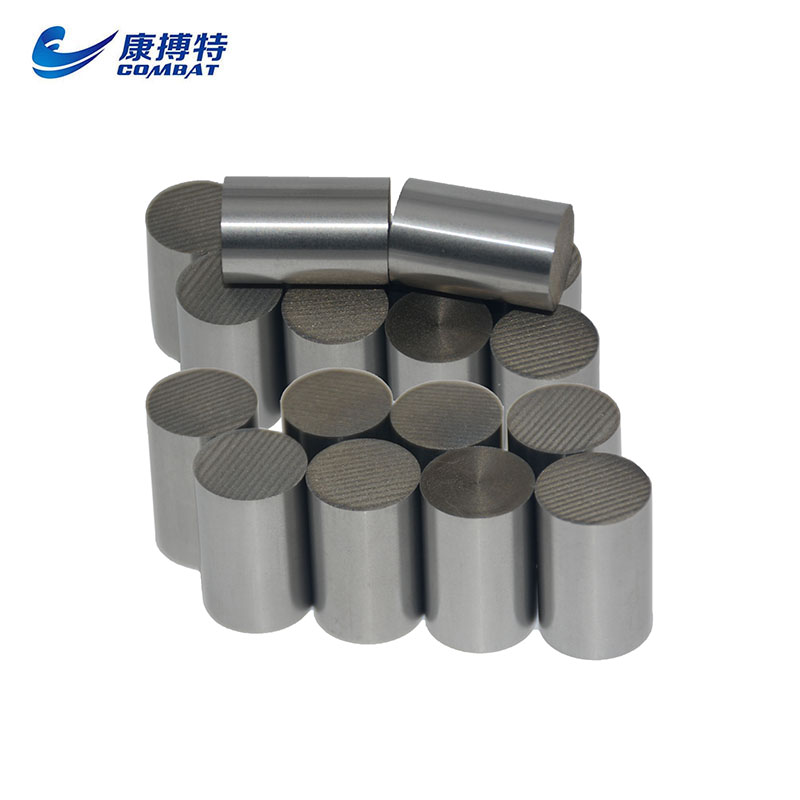
Professional tungsten rod suppliers operate within a highly regulated industrial landscape where precision, consistency, and adherence to international standards are non-negotiable requirements. The production standards followed by tungsten rod suppliers define everything from raw material sourcing through final quality assurance, ensuring that every product meets the demanding specifications required across aerospace, medical, electronics, and industrial applications. Understanding these standards provides critical insight into what separates reputable tungsten rod suppliers from unreliable producers, and why selecting the right supplier directly impacts product performance and project outcomes.
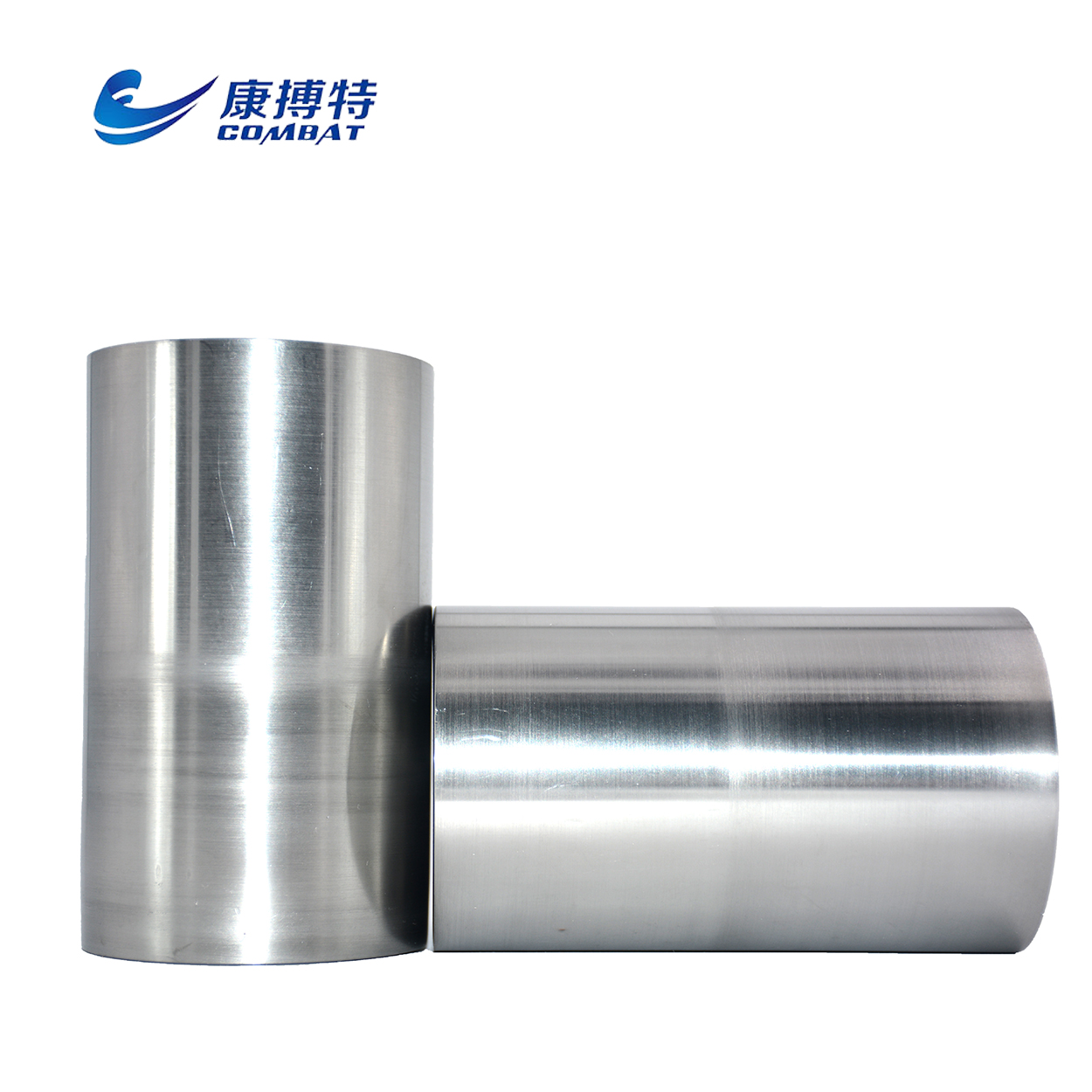
Tungsten rod suppliers who maintain professional-grade operations recognize that production standards are not merely compliance checkboxes but foundational elements that determine product reliability, longevity, and performance under extreme conditions. Leading tungsten rod suppliers invest heavily in process control, material testing, and documentation systems to meet both internal quality protocols and external regulatory frameworks. This commitment to standardized production processes reflects the technical expectations of industries where tungsten components operate in high-temperature environments, high-stress applications, or specialized medical and scientific instruments.
International Certifications and Compliance Frameworks
ISO Standards and Quality Management Systems
Professional tungsten rod suppliers typically maintain ISO 9001 certification, which establishes a comprehensive quality management system covering design, production, inspection, and customer service. This certification ensures that tungsten rod suppliers implement documented processes, maintain traceability records, and conduct regular internal audits to verify consistent compliance. Tungsten rod suppliers certified under ISO 9001 demonstrate commitment to continuous improvement, corrective action procedures, and risk management protocols that minimize defects and production variations. Beyond ISO 9001, many tungsten rod suppliers pursue additional certifications such as ISO 13485 for medical device manufacturing or AS9100 for aerospace applications, each adding specialized requirements to their production standards.
Material Specifications and Industry Standards
Reputable tungsten rod suppliers adhere to ASTM International standards, particularly ASTM B760, which specifies the properties and manufacturing requirements for tungsten and tungsten alloy rod products. These standards define chemical composition limits, mechanical properties including tensile strength and ductility, surface finish requirements, and dimensional tolerances. Tungsten rod suppliers following ASTM standards ensure that material purity remains within specified ranges, typically 99.95% or higher depending on application requirements. European tungsten rod suppliers may reference EN standards, while Chinese and Asian suppliers increasingly adopt these international benchmarks to access global markets and meet customer expectations.
Raw Material Control and Source Verification
Material Sourcing and Documentation
Production standards followed by tungsten rod suppliers begin with raw material procurement, where suppliers must verify the origin, composition, and quality of tungsten concentrate or recycled tungsten feedstock. Reliable tungsten rod suppliers maintain supplier qualification programs that include on-site audits, certificate-of-analysis reviews, and long-term relationships with vetted material sources. Documentation practices among professional tungsten rod suppliers include batch-level traceability, chemical composition verification through spectroscopy, and impurity testing to confirm that incoming materials meet specification limits. This material control phase is critical because contamination or composition variations introduced early in the supply chain directly compromise the final product quality that tungsten rod suppliers provide to end customers.
Process Parameters and Manufacturing Precision
Tungsten rod suppliers implementing rigorous production standards employ precise process controls during rod drawing, annealing, and finishing operations. Temperature monitoring during annealing phases ensures that tungsten rod suppliers achieve proper microstructure development and eliminate residual stresses that could compromise mechanical properties. Professional tungsten rod suppliers utilize calibrated equipment for diameter measurement, straightness verification, and surface inspection at multiple stages of production. Drawing speed, die design, and cooling protocols are carefully controlled parameters that quality-focused tungsten rod suppliers adjust based on alloy composition and final product specifications, ensuring consistent results across production runs.
Testing, Quality Assurance, and Documentation Requirements
Non-Destructive and Destructive Testing Protocols
Comprehensive testing regimens distinguish professional tungsten rod suppliers from basic commodity producers. Tungsten rod suppliers conduct tensile testing to verify strength and ductility characteristics, hardness testing to confirm material consistency, and density measurements to detect voids or density variations that indicate manufacturing defects. Many tungsten rod suppliers implement ultrasonic testing or eddy current inspection to identify internal flaws without damaging the product. Metallographic examination and grain size analysis are performed on samples from each production batch by advanced tungsten rod suppliers, providing microstructural data that predicts long-term performance in demanding applications.
Certificate of Conformance and Traceability Documentation
Professional tungsten rod suppliers provide detailed Certificates of Conformance (CoC) with every order, documenting chemical composition analysis, mechanical property test results, dimensional measurements, and heat treatment parameters specific to each batch. This documentation practice ensures that customers receive evidence of compliance with agreed specifications and can verify that tungsten rod suppliers followed established production standards. Traceability codes linking finished tungsten rod products back to specific raw material batches, production dates, and equipment parameters enable rapid investigation if quality issues arise. Leading tungsten rod suppliers maintain digital systems that allow customers to access historical data and verify that consistent standards have been applied across multiple orders and time periods.
Environmental and Safety Standards in Production
Occupational Health and Safety Compliance
Production standards followed by professional tungsten rod suppliers extend beyond material and dimensional specifications to include rigorous workplace safety and environmental protection protocols. Tungsten rod suppliers operating in regulated markets implement dust control systems, respiratory protection programs, and ergonomic standards to protect workers from tungsten particulate exposure and occupational hazards inherent in metalworking operations. Safety certifications such as OHSAS 18001 or ISO 45001 demonstrate that tungsten rod suppliers maintain formal occupational health and safety management systems with regular training, hazard assessments, and incident prevention procedures.
Environmental Compliance and Waste Management
Environmentally responsible tungsten rod suppliers implement waste reduction strategies, recycling programs for tungsten scrap, and proper disposal protocols for coolants and processing chemicals. Production standards increasingly require that tungsten rod suppliers minimize water consumption, reduce energy intensity, and track environmental metrics as part of corporate responsibility commitments. Compliance with local environmental regulations and emerging sustainability frameworks positions progressive tungsten rod suppliers as partners aligned with customer corporate social responsibility objectives, particularly in Europe and North America where environmental standards continue to strengthen.
FAQ
What specific certifications should customers verify when evaluating tungsten rod suppliers?
Customers should verify that tungsten rod suppliers maintain active ISO 9001 certification at minimum, along with industry-specific certifications such as ISO 13485 for medical applications or AS9100 for aerospace use. Review the scope of each certification to confirm that tungsten rod suppliers' certified processes cover the specific product grade and specifications required for your application. Request copies of recent audit reports and certificates directly from tungsten rod suppliers to verify current certification status and identify any non-conformances noted during audits.
How do tungsten rod suppliers ensure batch-to-batch consistency in production?
Professional tungsten rod suppliers maintain consistency through documented process parameters, calibrated equipment, regular preventive maintenance, and statistical process control methods that track key variables across production runs. Tungsten rod suppliers conduct incoming material inspections, in-process monitoring at critical stages, and final product testing on samples from each batch to verify that properties remain within specification. Many tungsten rod suppliers use control charts and trend analysis to detect process drift before it affects product quality, allowing corrective adjustments before defects occur.
How can customers verify that tungsten rod suppliers follow claimed production standards?
Customers should request audit rights in supply agreements, allowing on-site verification that tungsten rod suppliers maintain the systems and processes described in their quality documentation. Request complete Certificates of Conformance with detailed test data, chemical composition reports, and batch identification numbers for each shipment. Establish baseline testing on initial samples from tungsten rod suppliers, then conduct periodic verification testing on subsequent orders to confirm that claimed standards are consistently met in actual production.