
 EN
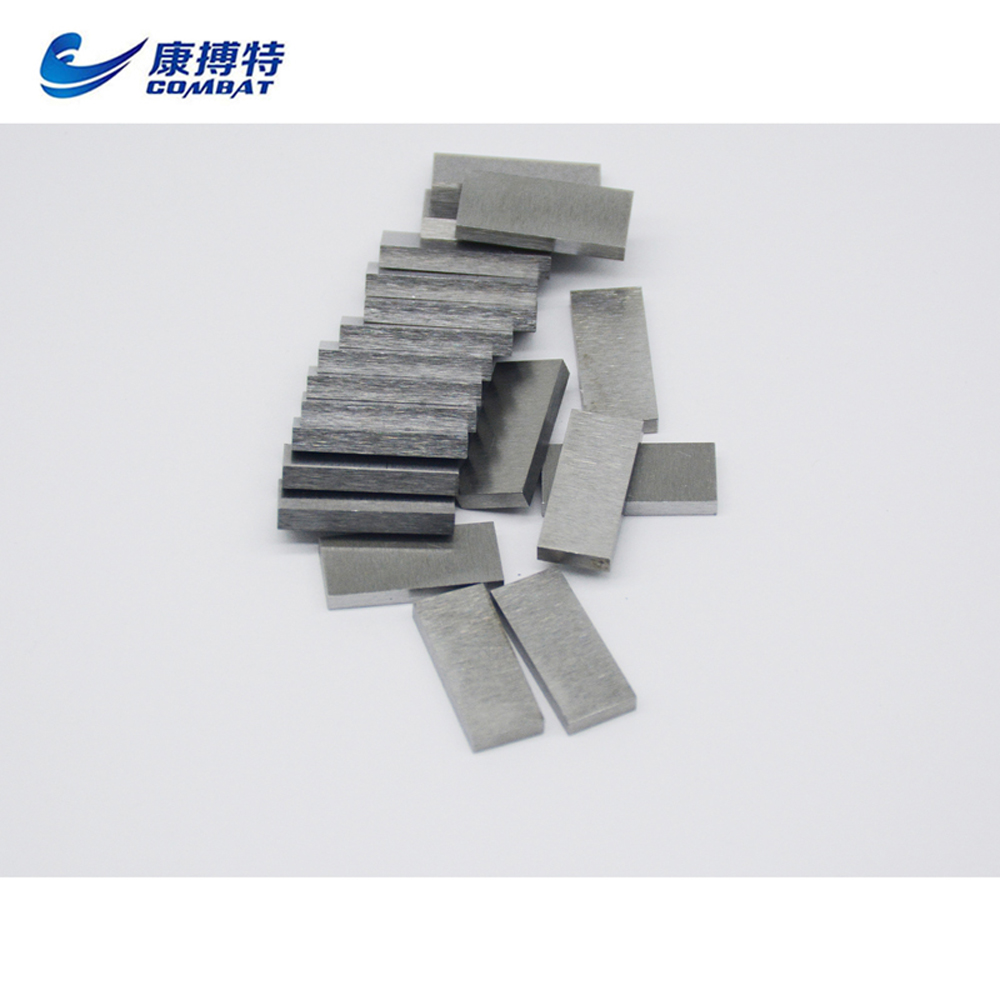
Working with refractory metals demands a level of precision and technical awareness that goes beyond conventional machining practice. Among these materials, tzm plate stands out as one of the most technically demanding substrates encountered in high-temperature industrial fabrication. Its unique combination of molybdenum, titanium, and zirconium gives it extraordinary thermal stability and mechanical strength, but those same properties introduce significant challenges in cutting, drilling, grinding, and finishing operations.
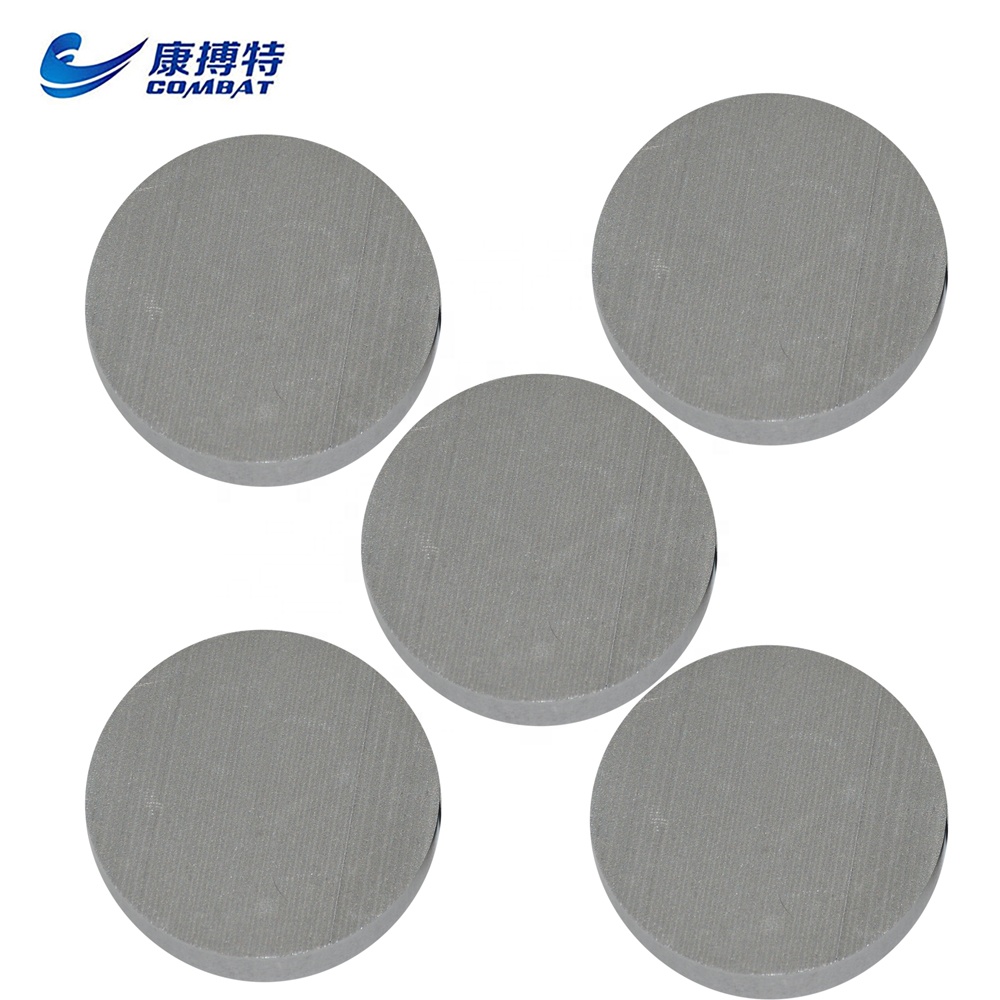
Understanding the specific machining considerations for tzm plate is essential for engineers, tooling specialists, and procurement professionals who rely on this material in aerospace, defense, semiconductor manufacturing, and energy applications. Getting machining decisions wrong with tzm plate can result in micro-cracking, premature tool wear, surface degradation, and ultimately, part failure in service. This article explores the most critical factors that should govern every stage of the machining process when tzm plate is involved.
Material Properties That Directly Influence Machining Behavior
High Hardness and Brittleness at Room Temperature
One of the defining characteristics of tzm plate is its hardness at ambient temperature combined with a tendency toward brittleness under certain mechanical stress conditions. Unlike ductile metals such as aluminum or mild steel, tzm plate does not deform significantly before fracturing when subjected to incorrect cutting forces. This behavior means that aggressive material removal strategies common in steel machining are entirely unsuitable here.
Machinists must account for the fact that tzm plate exhibits a ductile-to-brittle transition temperature, below which the material becomes highly susceptible to cracking. Room-temperature machining must be approached with this in mind, particularly when performing operations like tapping, milling deep slots, or applying sharp lateral forces. Controlled cutting parameters are not optional — they are non-negotiable when working with tzm plate.
The hardness of tzm plate also accelerates cutting tool wear significantly faster than most conventional metals. Tool selection, geometry, and replacement scheduling must be planned specifically for this material rather than adapted from general refractory metal guidelines.
Work Hardening Tendencies
Another key material behavior that machinists encounter with tzm plate is its tendency to work harden during cutting operations. When the cutting tool dwells, rubs, or takes insufficient chip load, the surface of the tzm plate can harden locally. This makes subsequent passes increasingly difficult, accelerates tool wear further, and can compromise surface integrity.
To avoid work hardening, each machining pass on tzm plate must maintain a consistent and adequate feed rate. Pausing mid-cut, backing tools into the workpiece, or using interrupted cutting without proper parameters can trigger this phenomenon. Experienced machinists treat tzm plate as a material that rewards decisive, continuous, and properly calibrated cutting action.
Tooling Selection for Tzm Plate Machining
Carbide Tooling as the Standard Approach
Solid carbide tooling is widely regarded as the baseline requirement for machining tzm plate. High-speed steel tools, while suitable for many other metals, wear too rapidly against the abrasive and hard surface of tzm plate to be economically or technically viable in most operations. Carbide end mills, carbide drills, and carbide inserts offer the hardness and thermal resistance needed to maintain cutting edge integrity throughout a machining cycle.
The geometry of carbide tools selected for tzm plate must be carefully considered. Sharp cutting edges with positive rake angles help reduce cutting forces and minimize stress concentration on the workpiece surface. Negative rake geometries that are appropriate for cast iron or hardened steels can introduce excessive compressive stress when applied to tzm plate, risking subsurface cracking.
Coated carbide tools, particularly those with titanium aluminum nitride or similar hard coatings, can extend tool life when machining tzm plate. However, the coating selection must be validated for compatibility with molybdenum-based alloys, as some coatings can chemically interact with the workpiece surface at elevated cutting temperatures.
Diamond and CBN Tooling for Finishing Operations
For precision finishing and grinding operations on tzm plate, polycrystalline diamond or cubic boron nitride tooling offers advantages in surface quality and dimensional accuracy. These materials maintain their cutting geometry over extended operations and are capable of producing the tight tolerances often required in components made from tzm plate for semiconductor or aerospace applications.
Diamond grinding wheels are particularly effective for surface grinding tzm plate when flatness and surface roughness specifications must be held within very tight parameters. The key is to use appropriate wheel dressing schedules to prevent glazing, which can cause frictional heat to build up at the workpiece surface and induce thermal stress in the tzm plate.
Cutting Parameters and Process Optimization
Spindle Speed, Feed Rate, and Depth of Cut
Selecting appropriate cutting parameters for tzm plate requires a conservative approach relative to what might be used for comparable thicknesses of stainless steel or titanium. Spindle speeds should generally be kept lower than those used for steel to reduce heat generation at the cutting interface. Excessive heat is a major concern when machining tzm plate because elevated temperatures at the tool-workpiece interface can cause localized oxidation and degrade surface finish quality.
Feed rates must be high enough to ensure the tool is actually cutting material rather than rubbing against it, which is the primary driver of work hardening in tzm plate. A common guideline is to prioritize chip formation over material removal rate. Thin, continuous chips indicate that the tool is performing correctly against the tzm plate surface, while dust-like swarf often signals rubbing rather than cutting.
Depth of cut should be moderate and consistent. Deep passes that place high radial or axial forces on the tzm plate increase the risk of micro-cracking, particularly near edges or holes. Multiple lighter passes are generally preferable to aggressive single-pass material removal when working with tzm plate at close tolerances.
Coolant Application and Heat Management
Coolant use during machining of tzm plate is a topic that requires careful consideration. Unlike many metals where flood coolant is a straightforward best practice, refractory metal machining sometimes benefits from different approaches. The primary concern is thermal shock: applying cold coolant to a very hot cutting zone when machining tzm plate can induce rapid temperature gradients that stress the material surface.
Many experienced machinists prefer to use consistent coolant application from the beginning of the cut on tzm plate rather than introducing it intermittently. Steady coolant delivery prevents the thermal cycling that leads to surface cracking. Air cooling or mist cooling can be appropriate in certain light finishing operations on tzm plate, particularly when the cutting parameters are conservative enough to prevent significant heat buildup.
Water-soluble coolants are commonly used for tzm plate, but the coolant formulation should be checked for compatibility with molybdenum alloys. Certain coolant additives can react with the material surface and leave residues that complicate subsequent cleaning or coating operations downstream in the manufacturing process.
Edge Preparation, Burr Management, and Surface Integrity
Avoiding Edge Chipping and Micro-Cracking
The edges of machined tzm plate components are among the most vulnerable areas to cracking, chipping, and stress concentration. Because tzm plate behaves in a relatively brittle manner at room temperature, the mechanical shock of a cutting tool exiting a workpiece at an edge can cause micro-fractures that are not immediately visible but can propagate during thermal cycling in service.
To mitigate edge damage when machining tzm plate, it is advisable to use climb milling where geometry allows, reduce feed rates as the tool approaches an exit edge, and consider using backing material or sacrificial fixtures on the far side of cuts. These techniques reduce the unsupported span of material at the critical moment when the tool exits the workpiece.
Post-machining edge preparation such as careful hand stoning or controlled edge breaking is commonly performed on tzm plate components used in high-stress environments. Sharp, unsupported edges concentrate stress and can become initiation points for fracture during thermal or mechanical loading in service.
Surface Finish Quality and Inspection
The surface finish achieved on tzm plate during machining directly affects its performance in end-use applications. Rough surfaces can act as stress risers and initiation points for fatigue cracking. For components requiring high surface quality, the machining sequence for tzm plate should progress through roughing, semi-finishing, and finishing stages with appropriate tool changes and parameter adjustments at each stage.
Surface inspection of machined tzm plate should include visual examination for discoloration, which can indicate oxidation from excessive heat, as well as tactile or profilometer-based measurement of surface roughness. In critical applications, dye penetrant inspection or fluorescent penetrant inspection may be applied to finished tzm plate components to detect subsurface cracks that machining stress may have introduced.
Fixturing, Workholding, and Handling Precautions
Clamping Without Inducing Stress Concentrations
Proper workholding for tzm plate requires the same level of attention as the cutting operation itself. Because tzm plate is sensitive to localized stress, clamping forces must be distributed evenly across the workpiece surface. Point loading from poorly designed fixtures can cause surface damage or even cracking before machining even begins, particularly in thinner gauge tzm plate.
Fixtures designed for tzm plate should use broad contact areas, compliant materials at the contact interface such as soft aluminum or neoprene pads, and clamping forces calibrated to hold the workpiece securely without exceeding the material's tolerance for localized compressive stress. Vacuum fixturing is highly suitable for flat tzm plate work where accessible geometry permits its use.
Handling and Storage During the Machining Process
Tzm plate components should be handled with care between operations. Dropping, impact loading, or stacking without protective separation can introduce damage that is not immediately visible but will compromise finished part quality or in-service reliability. Edge damage from casual handling is a common cause of rejected components after considerable machining investment has already been made.
Storage of tzm plate during the machining process should protect the material from contamination, moisture accumulation in humid environments, and contact with reactive materials. Keeping tzm plate clean and dry between operations contributes to consistent surface quality outcomes and reduces the risk of corrosion-related surface defects appearing during high-temperature finishing treatments that may follow machining.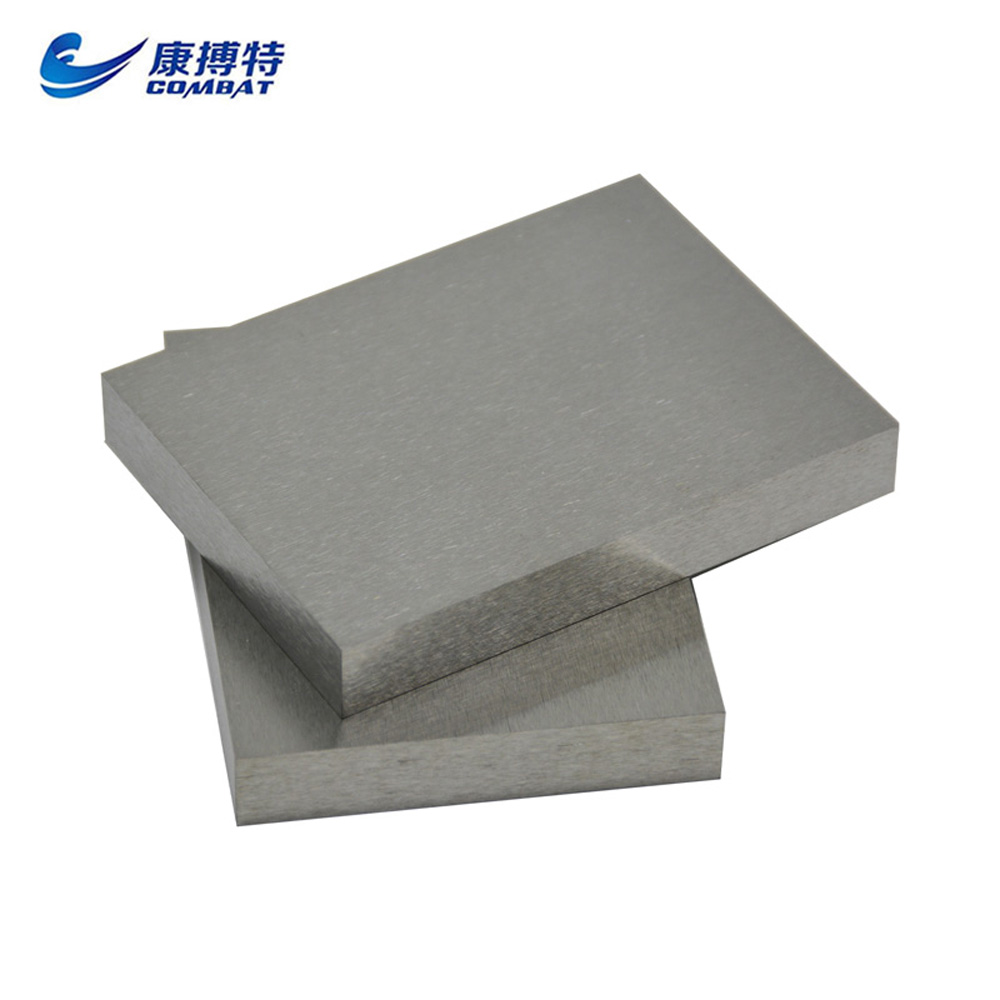
FAQ
Can tzm plate be machined using standard CNC milling equipment?
Yes, tzm plate can be machined on standard CNC milling centers, but the process requires carbide tooling, carefully controlled cutting parameters, and attention to heat management. Standard equipment is sufficient provided that spindle speeds, feeds, and depths of cut are specifically adjusted for the material rather than carried over from other metal machining programs.
What is the main risk of machining tzm plate at room temperature?
The main risk is brittle fracture or micro-cracking due to the material's ductile-to-brittle transition behavior at room temperature. Aggressive cutting forces, sharp vibration, or improper tool geometry can all introduce cracks that are difficult to detect but significantly reduce component reliability in service at elevated temperatures.
Is coolant always required when machining tzm plate?
Coolant is highly recommended for most turning, milling, and drilling operations on tzm plate to manage heat and prevent oxidation of the machined surface. However, the application must be consistent from the start of the cut to avoid thermal shock. Light finishing or grinding operations may use mist or air cooling under controlled conditions.
How does surface finish affect the performance of a finished tzm plate component?
Surface finish has a direct impact on fatigue resistance, thermal cycling durability, and coating adhesion in finished tzm plate components. Rough surfaces act as stress concentration sites and can initiate fatigue cracks during service. Achieving the specified surface roughness through progressive finishing stages is critical for components used in demanding thermal and mechanical environments.