
 EN
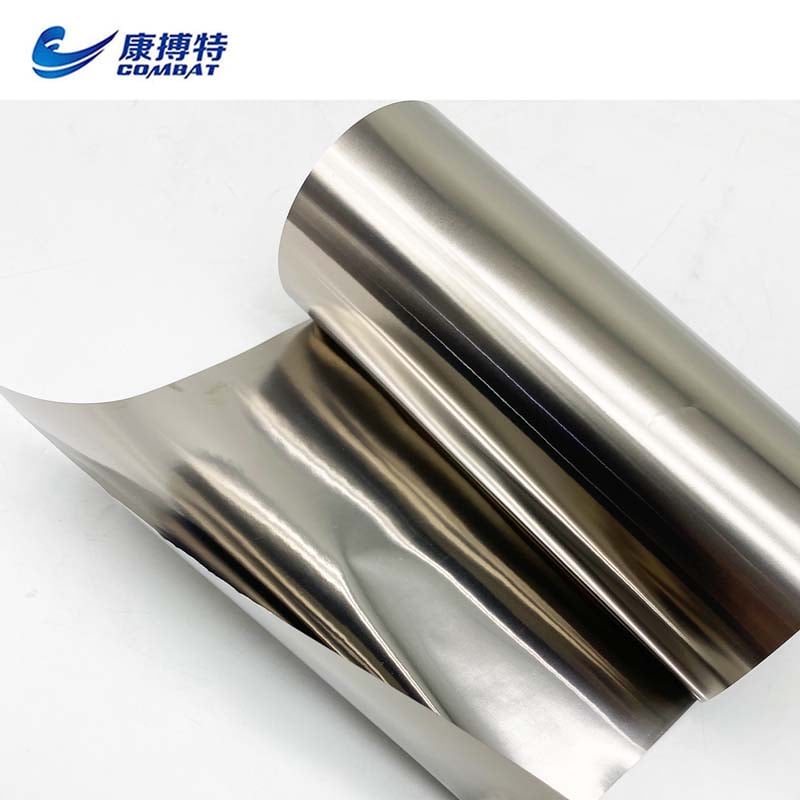
Tungsten foil represents one of the most versatile and challenging materials in modern industrial applications, valued for its exceptional density, high melting point, and superior thermal stability. Understanding what factors influence flexibility of tungsten foil materials is essential for engineers, manufacturers, and procurement specialists who work with this demanding material. Unlike softer metals, tungsten foil exhibits unique mechanical properties that determine its suitability for specific applications, from aerospace components to advanced electronics and medical devices. The flexibility characteristics of tungsten foil depend on multiple interconnected variables that extend far beyond simple material composition.
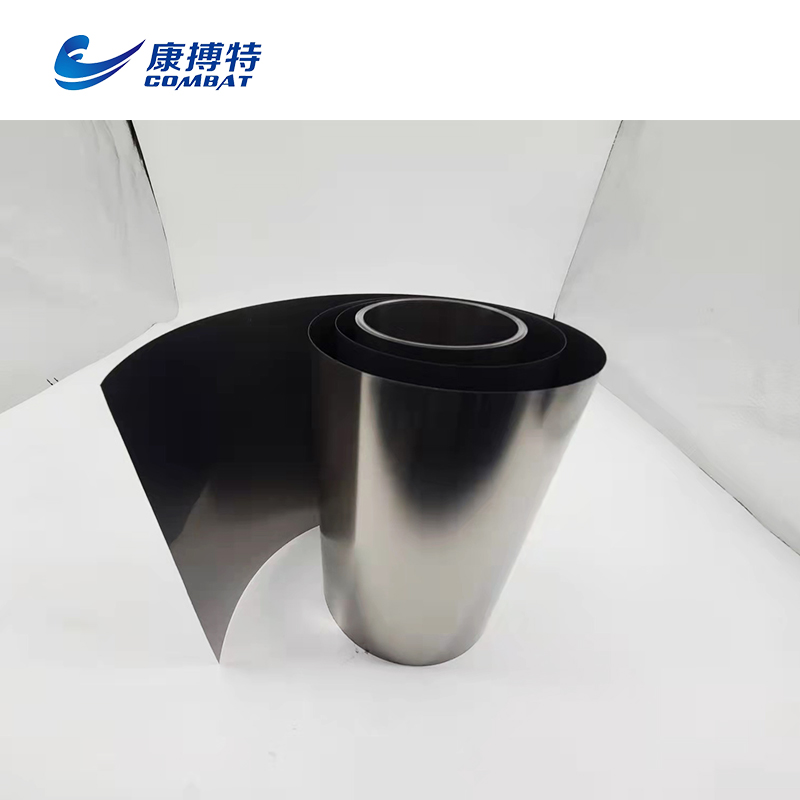
The behavior of tungsten foil in practical applications requires careful consideration of how material properties interact under processing, manufacturing, and operational conditions. Engineers must recognize that tungsten foil flexibility is not a single fixed property but rather a dynamic characteristic shaped by production methods, alloy composition, thermal history, and intended use. This comprehensive understanding enables better material selection, improved product design, and more predictable performance outcomes across demanding industrial sectors.
Thickness and Dimensional Effects on Tungsten Foil Flexibility
Impact of Foil Gauge on Mechanical Response
Thickness represents one of the most direct and measurable factors influencing flexibility of tungsten foil materials in practical applications. Thinner tungsten foil exhibits greater flex potential because less material mass resists deformation, allowing the material to bend with lower applied force. Conversely, thicker tungsten foil becomes progressively more rigid, requiring significantly greater stress to achieve comparable deflection angles. This relationship between thickness and flexibility follows predictable physical laws, making it one of the easiest parameters to control during material specification and procurement stages. When selecting tungsten foil for applications requiring moderate bending or shaping, engineers typically opt for thinner gauges that balance structural integrity with necessary flexibility.
Dimensional Consistency and Flexibility Performance
Uniform thickness throughout tungsten foil stock ensures consistent flexibility characteristics across the entire material sheet. Variations in thickness create localized stress concentration points where the material exhibits unpredictable bending behavior, potentially compromising component reliability. High-precision manufacturing of tungsten foil maintains tight dimensional tolerances that directly support predictable flexibility profiles. Modern rolling and annealing processes for tungsten foil enable manufacturers to deliver materials with thickness variations of just a few microns, ensuring repeatable mechanical performance. This dimensional consistency becomes critical in applications where tungsten foil must be shaped into complex geometries or subjected to repeated flexing cycles.
Alloy Composition and Material Chemistry in Tungsten Foil
Alloying Elements and Ductility Enhancement
Pure tungsten exhibits limited flexibility and tends toward brittleness at room temperature, motivating the development of tungsten foil alloys containing carefully selected additions that enhance ductility and workability. Rhenium represents the most significant alloying element for improving flexibility of tungsten foil materials, as rhenium atoms integrate into the tungsten crystal lattice and effectively reduce brittle fracture susceptibility. Tungsten foil containing 3 to 5 percent rhenium demonstrates substantially improved bending characteristics compared to pure tungsten foil, enabling manufacturers to produce thinner gauges without embrittlement risk. Molybdenum additions also contribute to flexibility enhancement in tungsten foil formulations, though molybdenum typically plays a secondary role compared to rhenium in promoting ductile behavior. These alloying strategies represent intentional trade-offs, as enhanced flexibility of tungsten foil often requires accepting modest reductions in density or refractory properties.
Impurity Control and Material Purity Effects
Interstitial impurities, particularly oxygen and nitrogen, significantly reduce flexibility of tungsten foil materials by promoting brittle phases and grain boundary weakness. Premium-grade tungsten foil undergoes rigorous purification processes that minimize oxygen content below 50 parts per million, ensuring that the material retains necessary flexibility and fracture resistance. Carbon contamination in tungsten foil similarly degrades flexibility by forming hard tungsten carbide phases that concentrate stresses during bending operations. Manufacturers achieving superior flexibility of tungsten foil materials maintain strict production protocols that prevent atmospheric contamination during melting, powder processing, and consolidation stages. This commitment to material purity distinguishes high-performance tungsten foil from lower-cost alternatives that may contain elevated impurity levels affecting mechanical behavior.
Processing Methods and Thermal Treatment Effects on Tungsten Foil Flexibility
Rolling and Working Temperature Influence
The thermal conditions during tungsten foil fabrication profoundly influence final flexibility characteristics through effects on grain structure and residual stress states. Warm rolling of tungsten foil at carefully controlled temperatures between 600 and 1200 degrees Celsius substantially improves flexibility compared to cold rolling by preventing excessive work-hardening and strain accumulation. Controlled warm working during tungsten foil production allows grain boundaries to recover partially, reducing brittleness while maintaining structural integrity. Hot rolling at higher temperatures may enhance flexibility of tungsten foil initially but risks introducing coarser grain structures that ultimately compromise mechanical properties. The optimal working temperature for any specific tungsten foil composition represents a balance between flexibility enhancement and maintenance of adequate strength and dimensional stability.
Annealing Cycles and Recrystallization Effects
Strategic annealing treatments represent powerful tools for enhancing flexibility of tungsten foil materials after cold-working operations that typically induce brittleness and reduced ductility. Controlled recrystallization annealing of tungsten foil at temperatures below the material's melting point allows new grain boundaries to form, effectively resetting accumulated strain and relieving internal stresses. The duration and temperature profile of annealing cycles for tungsten foil directly determine whether the resulting grain structure promotes flexibility or conversely promotes brittleness through grain coarsening. Intermediate annealing steps during multi-stage tungsten foil fabrication enable progressive flexibility improvement without sacrificing surface quality or dimensional precision. Modern vacuum annealing furnaces for tungsten foil maintain precise thermal control and inert atmosphere protection, ensuring reproducible flexibility enhancement across production batches.
FAQ
How does grain size within tungsten foil affect material flexibility?
Grain size in tungsten foil directly correlates with flexibility through its influence on dislocation movement and crack propagation pathways. Fine-grained tungsten foil structures permit greater dislocation density and more distributed stress relaxation during bending, resulting in superior flexibility compared to coarse-grained tungsten foil. Excessive grain coarsening in tungsten foil, which can occur during high-temperature annealing, actually reduces flexibility by creating fewer boundaries where material deformation can distribute safely. Optimal flexibility of tungsten foil typically emerges from medium grain structures that balance sufficient boundary density for ductility against excessive boundary areas that could weaken the material. Metallurgical control of grain size during tungsten foil manufacturing represents a critical lever for achieving target flexibility specifications.
What role does surface condition play in tungsten foil flexibility assessment?
Surface roughness and micro-defects on tungsten foil can serve as stress concentration sites that precipitate premature failure during bending operations, effectively reducing observed flexibility below the material's intrinsic capability. Polished tungsten foil surfaces with minimal surface defects exhibit measurably better flexibility performance than as-rolled tungsten foil surfaces containing deep scratches or oxide layers. The tungsten foil finishing process, whether electropolishing, mechanical polishing, or acid-pickling, directly influences surface quality and consequently impacts the relationship between thickness and achievable bending radius. Surface treatments that remove oxide scales and smooth micro-asperities on tungsten foil enhance flexibility by eliminating nucleation sites for fracture initiation. Quality specifications for flexible tungsten foil applications typically mandate strict surface finish requirements to ensure that flexibility testing results translate reliably to field performance.
Can temperature exposure after tungsten foil fabrication affect its flexibility characteristics?
Elevated temperature exposure of tungsten foil after final processing can alter flexibility through several mechanisms including stress relief, grain growth, and brittle phase formation if oxygen or other contaminants are present. Moderate temperature excursions during tungsten foil transportation or intermediate storage typically produce beneficial stress relief effects that slightly enhance flexibility. However, prolonged high-temperature exposure of tungsten foil in oxidizing atmospheres can degrade flexibility substantially through oxide layer formation and embrittlement of near-surface regions. Vacuum or inert-atmosphere heating during tungsten foil service life maintains flexibility better than air-heated scenarios where oxidation becomes problematic. Applications involving tungsten foil at elevated operating temperatures require material selection and thermal management strategies specifically designed to preserve flexibility characteristics throughout the component's expected service life.