
 EN
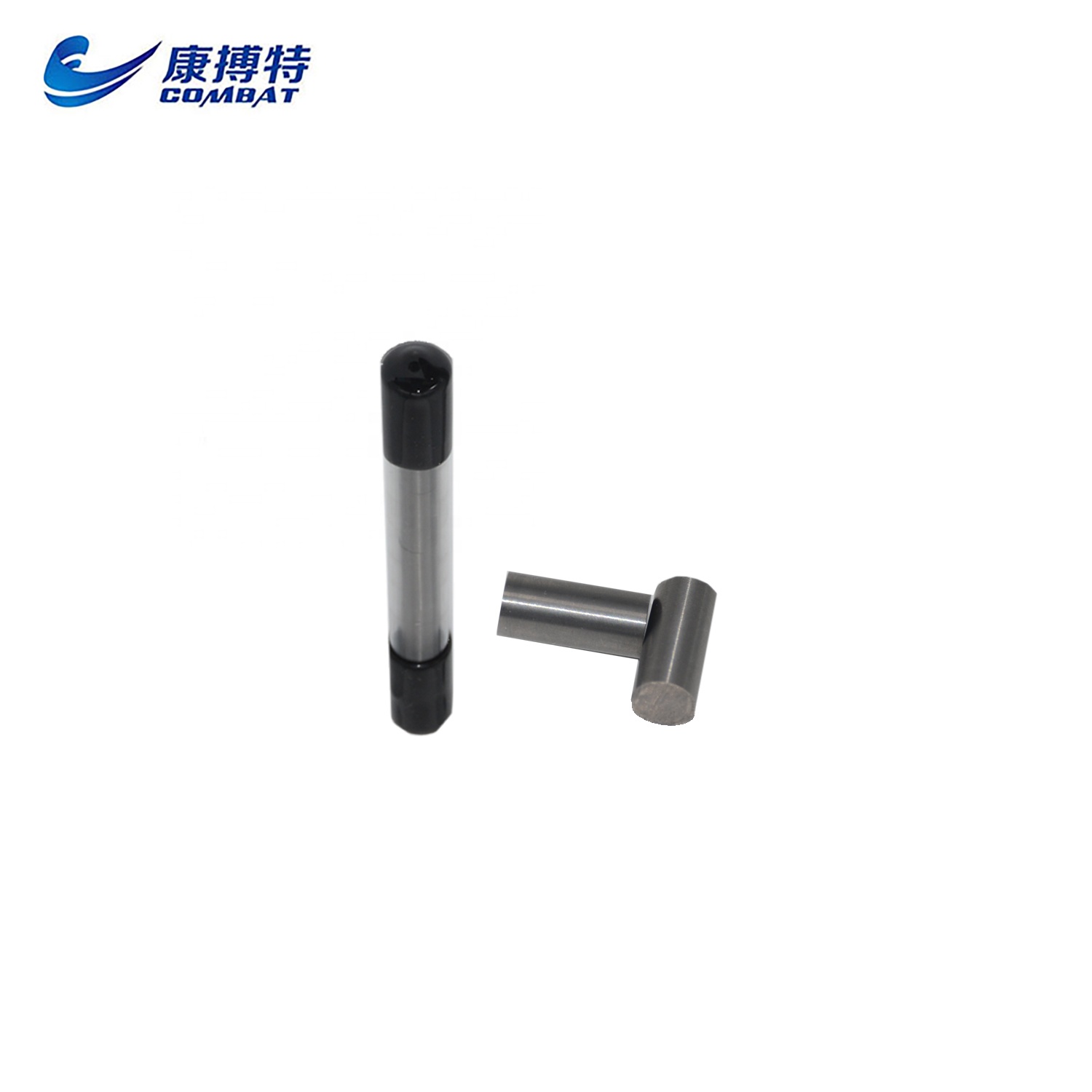
In the most demanding industrial environments, materials are pushed to their absolute limits. Cutting edges wear down, surfaces erode under constant friction, and components fracture under repeated mechanical shock. This is precisely where tungsten carbide alloy has established itself as one of the most reliable engineering materials available. Its ability to simultaneously resist both impact and abrasion — two forces that often require opposing material properties — makes it a subject worth understanding in depth for any engineer, procurement specialist, or operations manager working in heavy industry.

Understanding how tungsten carbide alloy achieves this dual resistance requires looking beyond surface-level material descriptions. The answer lies in its microstructure, its composite nature, and the way its constituent phases interact under mechanical stress. This article examines the mechanisms behind its performance, the industrial contexts where these properties matter most, and the engineering logic that makes tungsten carbide alloy a preferred choice across mining, manufacturing, oil and gas, and construction sectors worldwide.
The Microstructural Foundation of Tungsten Carbide Alloy
How the Composite Structure Creates Hardness
Tungsten carbide alloy is not a single-phase material. It is a composite, most commonly consisting of tungsten carbide particles — the hard phase — bound together by a metallic binder, typically cobalt. This architecture is fundamental to understanding its mechanical behavior. The tungsten carbide particles themselves are among the hardest substances known, with a hardness approaching that of diamond on the Vickers scale. These particles provide the primary resistance to abrasive wear.
The binder phase, usually cobalt, fills the spaces between carbide grains and holds the composite together. Cobalt is chosen for its excellent wettability with tungsten carbide and its ability to form a strong metallurgical bond during the sintering process. The result is a material where extreme hardness and reasonable toughness coexist — a combination that is difficult to achieve in monolithic ceramics or conventional tool steels.
The grain size of the tungsten carbide particles plays a critical role in determining the final properties of the alloy. Finer grain sizes generally produce higher hardness and better abrasion resistance, while coarser grain sizes tend to improve toughness and impact resistance. This tunability is one of the key engineering advantages of tungsten carbide alloy — manufacturers can adjust the microstructure to match the specific wear conditions of a given application.
The Role of Binder Content in Balancing Toughness and Hardness
The proportion of binder in tungsten carbide alloy directly controls the balance between hardness and fracture toughness. A lower binder content — say, 3 to 6 percent cobalt — produces a harder, more wear-resistant material suitable for applications dominated by abrasion. A higher binder content — ranging from 10 to 25 percent — shifts the balance toward toughness, making the material better suited to applications involving significant impact loading.
This is not a trivial distinction in industrial practice. A mining drill bit operating in highly abrasive rock formations requires a different tungsten carbide alloy grade than a percussion tool subjected to repeated hammer blows. Engineers who understand this relationship can specify the correct grade for each application, avoiding premature failure from either excessive wear or brittle fracture.
Beyond cobalt, other binders such as nickel and iron-based alloys are used in specific applications where corrosion resistance or magnetic neutrality is required. Each binder system interacts differently with the carbide phase, offering further opportunities to tailor the performance of tungsten carbide alloy to meet precise operational demands.
Mechanisms of Abrasion Resistance in Tungsten Carbide Alloy
How Hard Particles Deflect and Absorb Abrasive Forces
Abrasive wear occurs when hard particles or rough surfaces slide against a material, progressively removing material through micro-cutting, plowing, or surface fatigue. The resistance of tungsten carbide alloy to this process stems directly from the hardness of its carbide phase. When an abrasive particle contacts the surface, it encounters carbide grains that are harder than most naturally occurring abrasives, including quartz and feldspar — the minerals responsible for the majority of wear in mining and earthmoving applications.
Because the carbide grains resist penetration by abrasive particles, the material removal rate is dramatically reduced compared to steel or cast iron. The binder phase, while softer, is protected by the surrounding carbide network. Even as the binder gradually erodes under sustained abrasive contact, the carbide skeleton maintains the structural integrity of the surface, continuing to resist further wear.
This mechanism explains why tungsten carbide alloy components can outlast steel counterparts by factors of ten to one hundred in highly abrasive environments. The economic case for using tungsten carbide alloy in wear-critical applications is therefore not simply about material cost per kilogram, but about total cost of ownership when replacement frequency, downtime, and labor are factored in.
Surface Integrity Under Sliding and Erosive Conditions
In addition to two-body abrasion, tungsten carbide alloy also performs exceptionally well under three-body abrasion, where loose abrasive particles are trapped between two surfaces. This condition is common in slurry pumps, conveyor systems, and hydraulic components. The hardness of the carbide phase prevents the abrasive particles from embedding into the surface and initiating micro-cutting cycles that would rapidly degrade softer materials.
Erosive wear — caused by high-velocity particle impacts at oblique angles — is another mode where tungsten carbide alloy demonstrates clear advantages. The combination of hardness and the energy-absorbing capacity of the binder phase allows the material to withstand repeated particle impacts without the surface pitting and spalling that afflicts conventional metals. This makes tungsten carbide alloy a preferred material for nozzles, valve seats, and pipe liners in industries handling abrasive slurries or pneumatically conveyed solids.
The surface finish of tungsten carbide alloy components also contributes to their wear performance. The material can be ground and lapped to very tight tolerances and low surface roughness values, which reduces the initial contact stress between mating surfaces and extends the service life of precision components such as seals and bearings.
Impact Resistance Mechanisms in Tungsten Carbide Alloy
Why Toughness and Hardness Can Coexist in This Material
One of the persistent challenges in materials engineering is that hardness and toughness are typically inversely related. Hard ceramics are brittle; tough metals are soft. Tungsten carbide alloy occupies a unique position in this landscape because its composite structure allows both properties to be present simultaneously, albeit with trade-offs that depend on the specific grade.
The metallic binder phase is the key to impact resistance. When a sudden mechanical load is applied — such as the impact of a rock against a drill bit or the shock loading of a stamping die — the binder phase deforms plastically, absorbing energy and preventing crack propagation through the carbide skeleton. This mechanism is analogous to the role of the matrix in fiber-reinforced composites, where the matrix arrests crack growth and redistributes stress.
The fracture toughness of tungsten carbide alloy, measured in terms of the critical stress intensity factor, is significantly higher than that of monolithic ceramics such as alumina or silicon carbide. This means that cracks initiated at stress concentrations — surface defects, grain boundaries, or inclusion sites — require substantially more energy to propagate to failure. In practical terms, tungsten carbide alloy components can survive impact events that would shatter ceramic alternatives.
Grade Selection for Impact-Dominated Applications
When impact loading is the primary concern, the selection of the appropriate tungsten carbide alloy grade becomes critical. Higher binder content grades, with cobalt levels above 15 percent, offer fracture toughness values that approach those of some tool steels while retaining hardness levels far above what steel can achieve. These grades are used in applications such as rock drilling buttons, cold-forming dies, and percussion tools where cyclic impact loading is the dominant failure mode.
Coarser grain sizes also contribute to impact resistance by increasing the mean free path between carbide grains, giving the binder phase more room to deform before a crack can bridge across the microstructure. The trade-off is a modest reduction in abrasion resistance, which is acceptable in applications where impact is the primary threat.
In practice, many industrial applications involve both abrasion and impact simultaneously. A road milling pick, for example, must resist abrasion from aggregate particles while also absorbing the impact of striking hard inclusions in the road surface. For these mixed-loading conditions, medium-grade tungsten carbide alloy formulations — balancing hardness and toughness — are typically specified, and the geometry of the component is engineered to distribute stress as evenly as possible.
Industrial Applications Where Both Properties Are Critical
Mining, Drilling, and Earthmoving
The mining industry is perhaps the most demanding environment for wear-resistant materials. Drill bits, cutting picks, and crusher liners are subjected to continuous abrasion from rock minerals and repeated impact from the drilling or crushing process. Tungsten carbide alloy inserts in rotary drill bits allow operators to drill harder formations at higher penetration rates, reducing the number of bit changes required per well or per shift. This directly translates to lower operational costs and higher productivity.
In surface mining and earthmoving, tungsten carbide alloy tips on ripper shanks and bucket teeth extend service life in highly abrasive soils and rock. The ability of tungsten carbide alloy to maintain a sharp cutting edge under abrasive conditions means that machines operate more efficiently throughout the service interval, consuming less fuel and exerting less stress on the host machine structure.
Underground mining applications, including longwall coal cutting and tunnel boring, rely heavily on tungsten carbide alloy picks and inserts. The combination of impact from the cutting drum and abrasion from the coal or rock face creates exactly the mixed-loading conditions for which tungsten carbide alloy is optimally suited. Operators in these environments have documented service life improvements of five to twenty times compared to conventional steel tooling.
Manufacturing, Forming, and Fluid Handling
In metal forming and stamping operations, tungsten carbide alloy dies and punches resist the abrasive action of metal workpieces and the impact of press cycles. The dimensional stability of tungsten carbide alloy under repeated loading ensures that formed parts maintain tight tolerances throughout long production runs, reducing scrap rates and the frequency of die replacement.
Wire drawing dies made from tungsten carbide alloy are a standard component in the wire and cable industry. The bore of the die must resist the abrasive action of the wire passing through it at high speed while maintaining precise dimensional accuracy. Tungsten carbide alloy dies achieve drawing speeds and die lives that are not possible with steel or ceramic alternatives in most wire drawing applications.
In fluid handling systems, tungsten carbide alloy is used for valve balls, seats, and pump components in applications involving abrasive slurries, high-pressure fluids, or corrosive media. The hardness of the material resists erosive wear from suspended particles, while the toughness of the binder phase prevents brittle failure under pressure surges or water hammer events. These properties make tungsten carbide alloy a reliable choice for critical flow control components in oil and gas, chemical processing, and mineral processing plants.
FAQ
What makes tungsten carbide alloy harder than conventional tool steel?
Tungsten carbide alloy derives its hardness from the tungsten carbide phase, which has a hardness of approximately 1600 to 2400 HV depending on grain size and composition. This is significantly higher than the hardness of high-speed tool steels, which typically range from 800 to 900 HV. The carbide particles resist penetration by abrasive materials that would readily cut into steel surfaces, resulting in dramatically lower wear rates in abrasive environments.
Can tungsten carbide alloy be used in applications involving both impact and abrasion?
Yes, and this is one of the primary reasons tungsten carbide alloy is specified for demanding industrial applications. By adjusting the binder content and grain size, manufacturers can produce grades that balance hardness and toughness to suit mixed-loading conditions. Applications such as mining picks, road milling tools, and percussion drill bits routinely expose tungsten carbide alloy to simultaneous impact and abrasive forces, and appropriately graded material performs reliably in these environments.
How does binder content affect the performance of tungsten carbide alloy in service?
Binder content is one of the most important variables in tungsten carbide alloy performance. Lower binder content increases hardness and abrasion resistance but reduces toughness, making the material more susceptible to brittle fracture under impact. Higher binder content improves toughness and impact resistance at the cost of some hardness. Selecting the correct binder content for a specific application requires a clear understanding of the dominant wear mechanism — whether abrasion, impact, or a combination of both.
What industries benefit most from using tungsten carbide alloy components?
Tungsten carbide alloy is used across a wide range of industries where wear resistance is critical. Mining and drilling operations benefit from its hardness in abrasive rock formations. Metal forming and machining industries rely on it for die and cutting tool longevity. Oil and gas operations use it in downhole tools and valve components. Fluid handling and chemical processing plants specify tungsten carbide alloy for pump and valve parts exposed to abrasive slurries. In each case, the material's ability to resist both abrasion and impact reduces maintenance frequency and total operating costs.
Table of Contents
- The Microstructural Foundation of Tungsten Carbide Alloy
- Mechanisms of Abrasion Resistance in Tungsten Carbide Alloy
- Impact Resistance Mechanisms in Tungsten Carbide Alloy
- Industrial Applications Where Both Properties Are Critical
-
FAQ
- What makes tungsten carbide alloy harder than conventional tool steel?
- Can tungsten carbide alloy be used in applications involving both impact and abrasion?
- How does binder content affect the performance of tungsten carbide alloy in service?
- What industries benefit most from using tungsten carbide alloy components?