Superior Corrosion Resistance Ensuring Long-Term Reliability
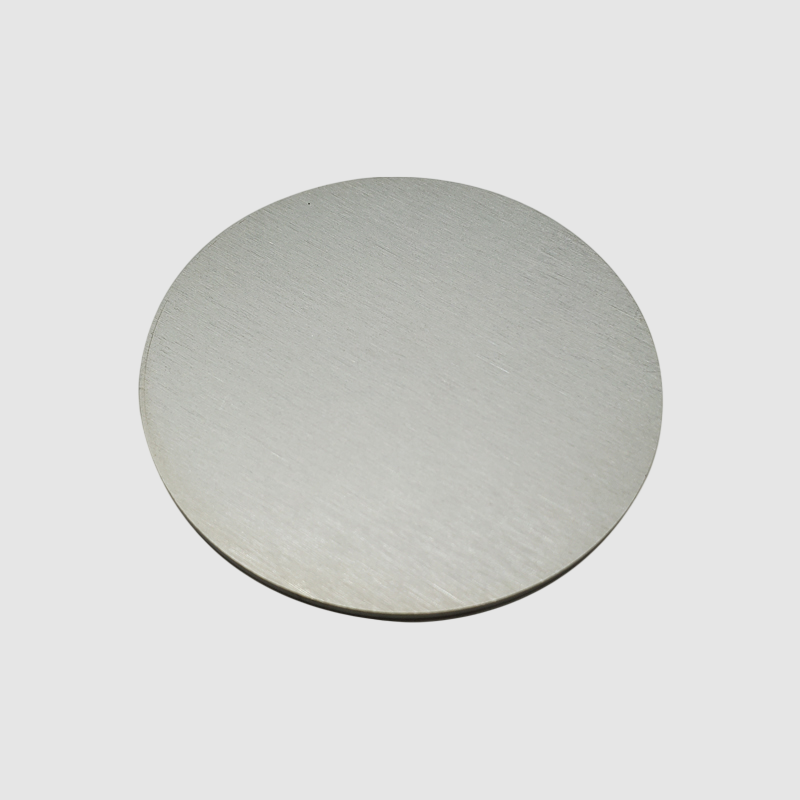
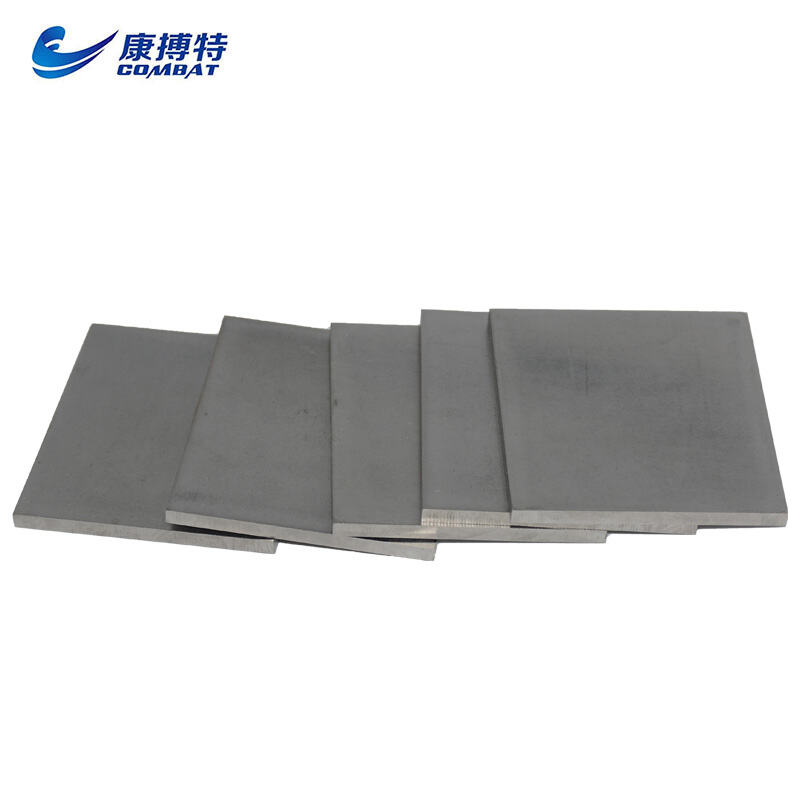
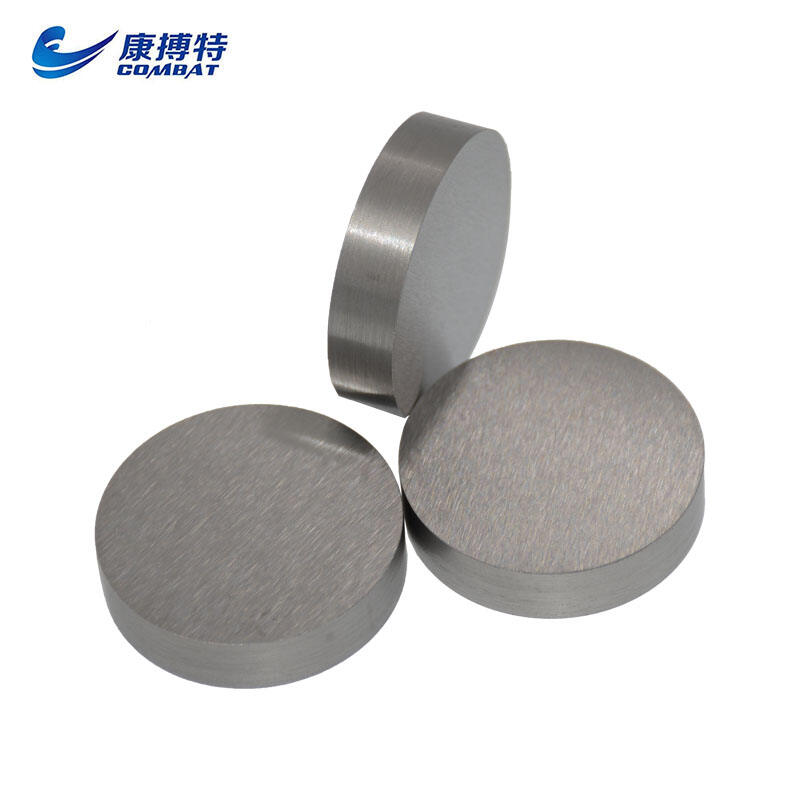
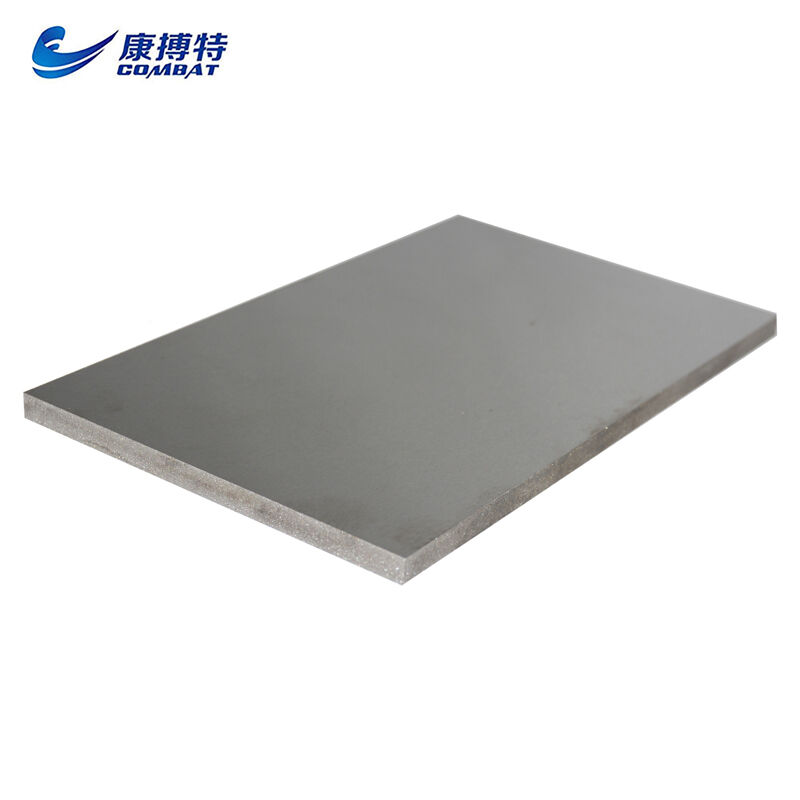
The corrosion resistance properties of a moly plate provide critical advantages in chemical processing, metallurgical operations, and other environments where aggressive substances attack conventional materials. Molybdenum exhibits exceptional resistance to most acids, including hydrochloric, sulfuric, and hydrofluoric acids at various concentrations and temperatures, maintaining surface integrity where stainless steel or titanium would corrode rapidly. This chemical stability results from the formation of protective oxide layers that passivate the surface, preventing further reaction with corrosive media. In practical applications, this means process equipment constructed with moly plates maintains dimensional accuracy and surface finish over extended service periods, eliminating contamination risks from corroded metal particles entering product streams. Pharmaceutical manufacturers value this property when processing active ingredients, as the inert surface of a moly plate prevents unwanted chemical reactions that could compromise drug purity or efficacy. The material's resistance to molten metals and salts makes it indispensable in metallurgical applications, where crucibles and furnace linings must contain reactive substances at extreme temperatures. A moly plate resists attack from molten zinc, aluminum, and rare earth metals, materials that rapidly dissolve ceramic or graphite containers. This compatibility enables cleaner metal production with fewer impurities introduced from container degradation. Glass manufacturing operations benefit similarly, as moly plates resist corrosion from molten glass compositions containing alkali oxides and other reactive components. The electrodes and stirring mechanisms fabricated from molybdenum maintain their geometry and surface quality through years of continuous operation, ensuring consistent glass quality and reducing maintenance interventions. Chemical vapor deposition systems utilize moly plates as substrate holders and heating elements, taking advantage of their resistance to reactive precursor gases and corrosive byproducts generated during thin film growth. The material remains stable in chlorine, fluorine, and other halogen-containing atmospheres that would attack most metals, enabling processes impossible with alternative materials. Environmental resistance extends to atmospheric corrosion, as molybdenum forms stable oxide films in ambient conditions, preventing the progressive degradation seen with iron-based alloys. This stability simplifies storage and handling, as moly plates do not require special protective coatings or controlled atmosphere storage between manufacturing and installation. The biocompatibility of high-purity molybdenum grades supports medical applications, as the material resists corrosion from bodily fluids and withstands repeated sterilization cycles without degradation. Surgical instruments and implantable devices fabricated from moly plates maintain their properties through years of clinical use, meeting stringent medical device regulations. The economic impact of this corrosion resistance manifests in reduced replacement costs, minimized process downtime, and improved product quality through elimination of contamination sources, making the moly plate a cost-effective solution despite higher initial material costs compared to conventional metals.





 EN