Superior Chemical Resistance for Demanding Processing Applications
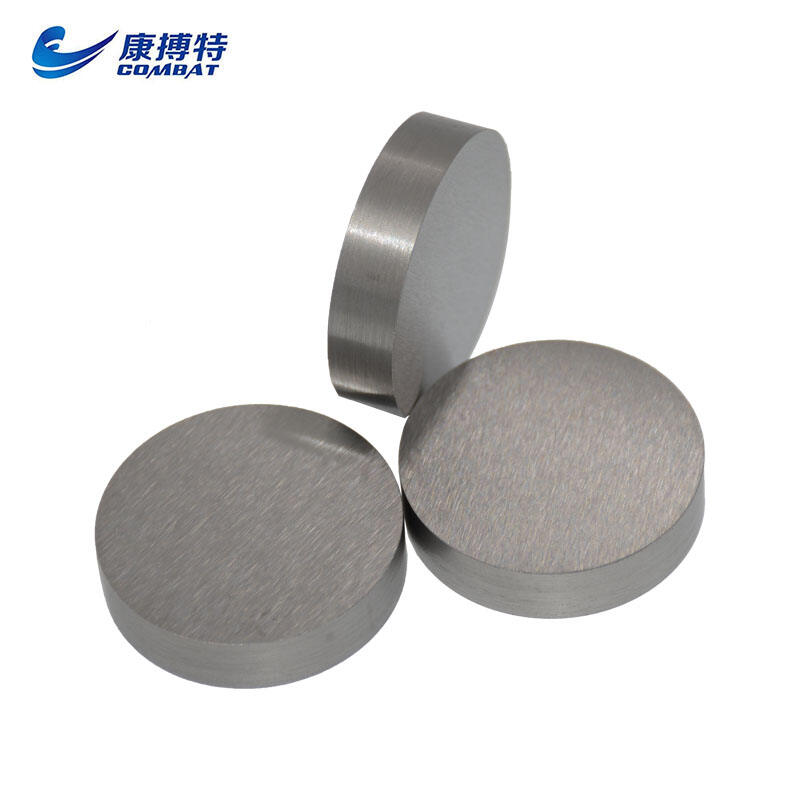
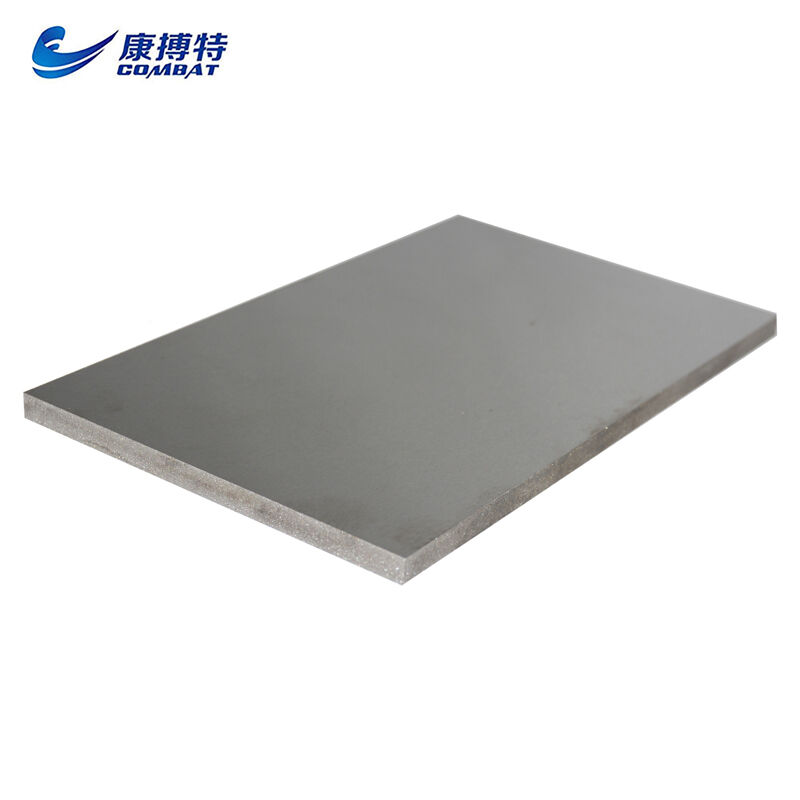
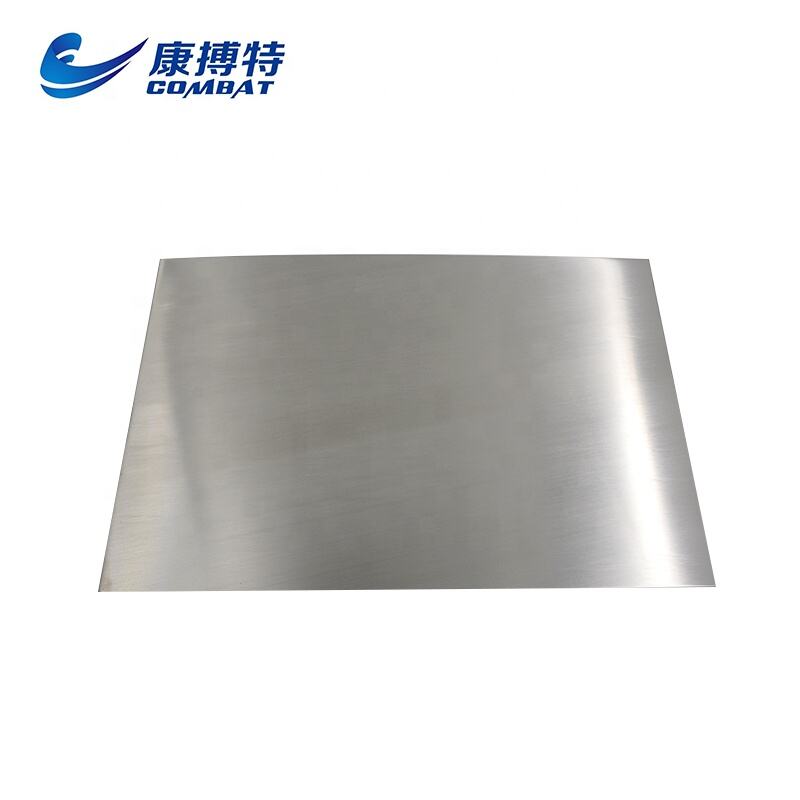
Molybdenum plate demonstrates exceptional resistance to chemical attack in environments where conventional materials rapidly deteriorate, providing reliable performance in corrosive applications that challenge even premium alloys. This chemical stability derives from the formation of protective surface layers and the inherent nobility of molybdenum in many chemical systems. When your processes involve molten metals, aggressive glass melts, or certain corrosive atmospheres, molybdenum plate offers durability that translates directly into reduced maintenance costs and improved process reliability. The practical advantages become evident in glass manufacturing operations, where molybdenum plate electrodes contact molten glass at temperatures exceeding 1,400 degrees Celsius. Unlike platinum-group metals that can dissolve into the glass melt or refractory ceramics that contaminate the product with particles, molybdenum plate maintains its integrity while introducing minimal contamination. This purity proves critical when manufacturing optical glass, display panels, or specialty glass products where even trace impurities affect optical properties or electrical characteristics. Your production yields improve, quality control becomes more predictable, and customer satisfaction increases when material contamination issues disappear. In molten metal handling applications, molybdenum plate resists attack from zinc, aluminum, and certain other metals that aggressively corrode steel and many other structural materials. This resistance enables the construction of crucibles, transfer systems, and containment vessels that provide extended service life in metal casting and refining operations. The economic impact proves substantial when you consider the costs associated with frequent equipment replacement, production interruptions for maintenance, and potential safety hazards from corroded components. Molybdenum plate components can operate for years in applications where alternative materials might fail within months. The material also demonstrates stability in certain reducing atmospheres and vacuum environments where oxidation-resistant alloys might experience carburization or other forms of chemical degradation. This stability makes molybdenum plate valuable in heat treating operations, sintering furnaces, and other controlled-atmosphere processes where maintaining precise environmental conditions is essential for product quality. Your processes benefit from consistent performance without the complications introduced by reactive container materials that might alter atmospheric composition or introduce unwanted chemical species. Chemical resistance extends to resistance against certain acids and alkaline solutions under specific conditions, broadening the application range for molybdenum plate beyond purely high-temperature uses. While not universally corrosion-resistant like some exotic alloys, molybdenum plate offers superior performance in select chemical environments where its specific resistance characteristics align with process requirements. Understanding these application boundaries allows you to leverage molybdenum plate effectively while avoiding inappropriate uses that might lead to premature failure.




 EN