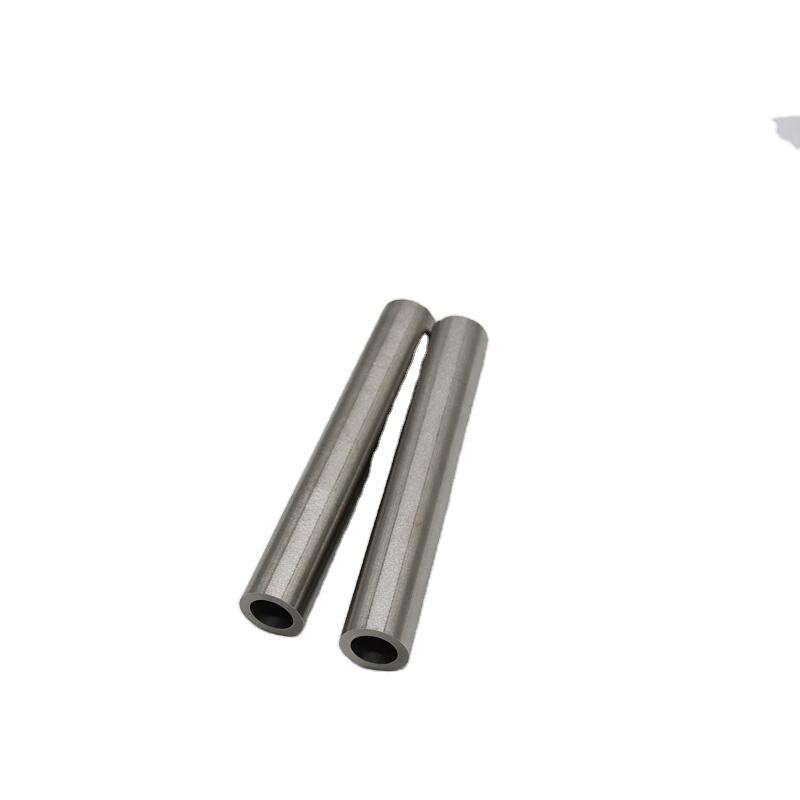
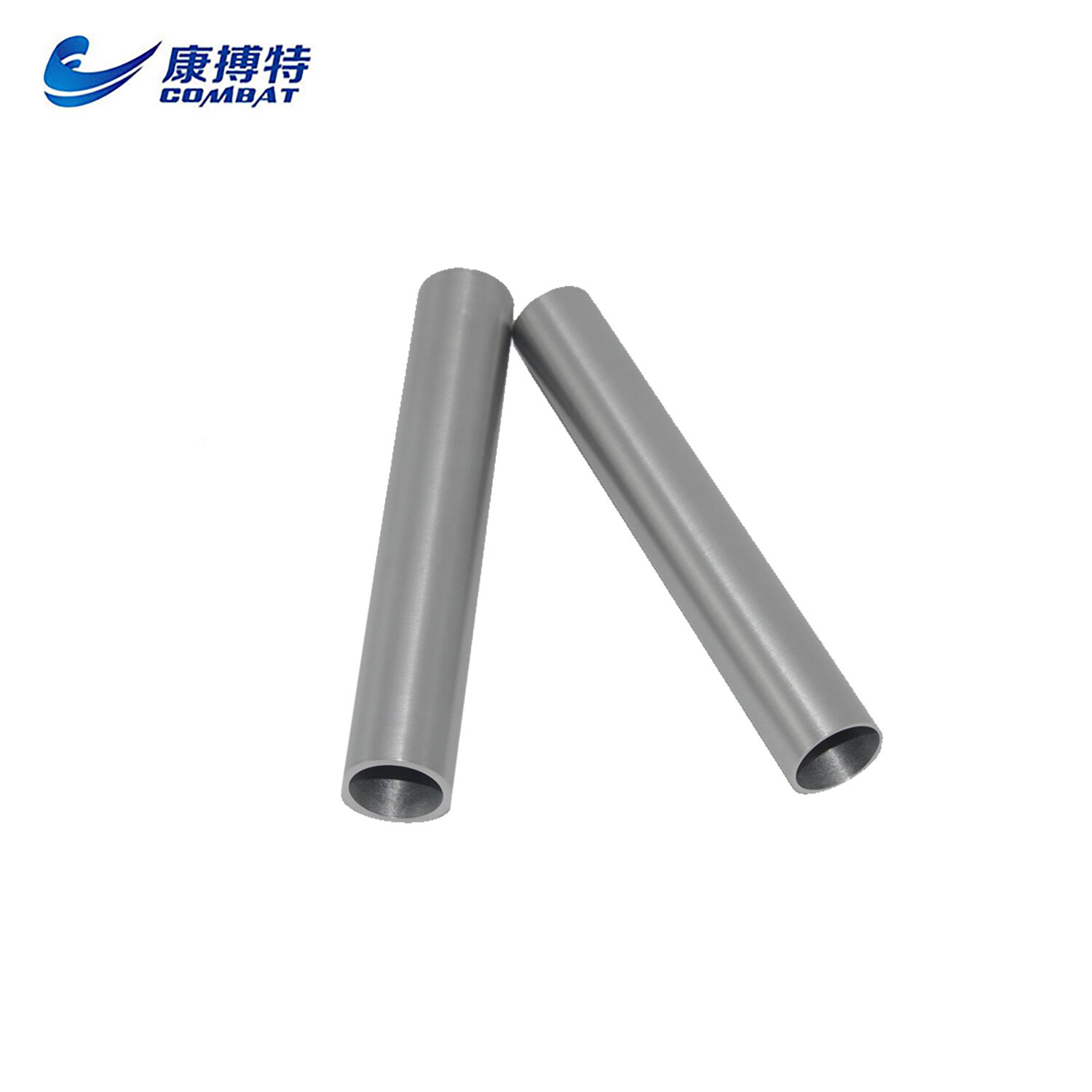
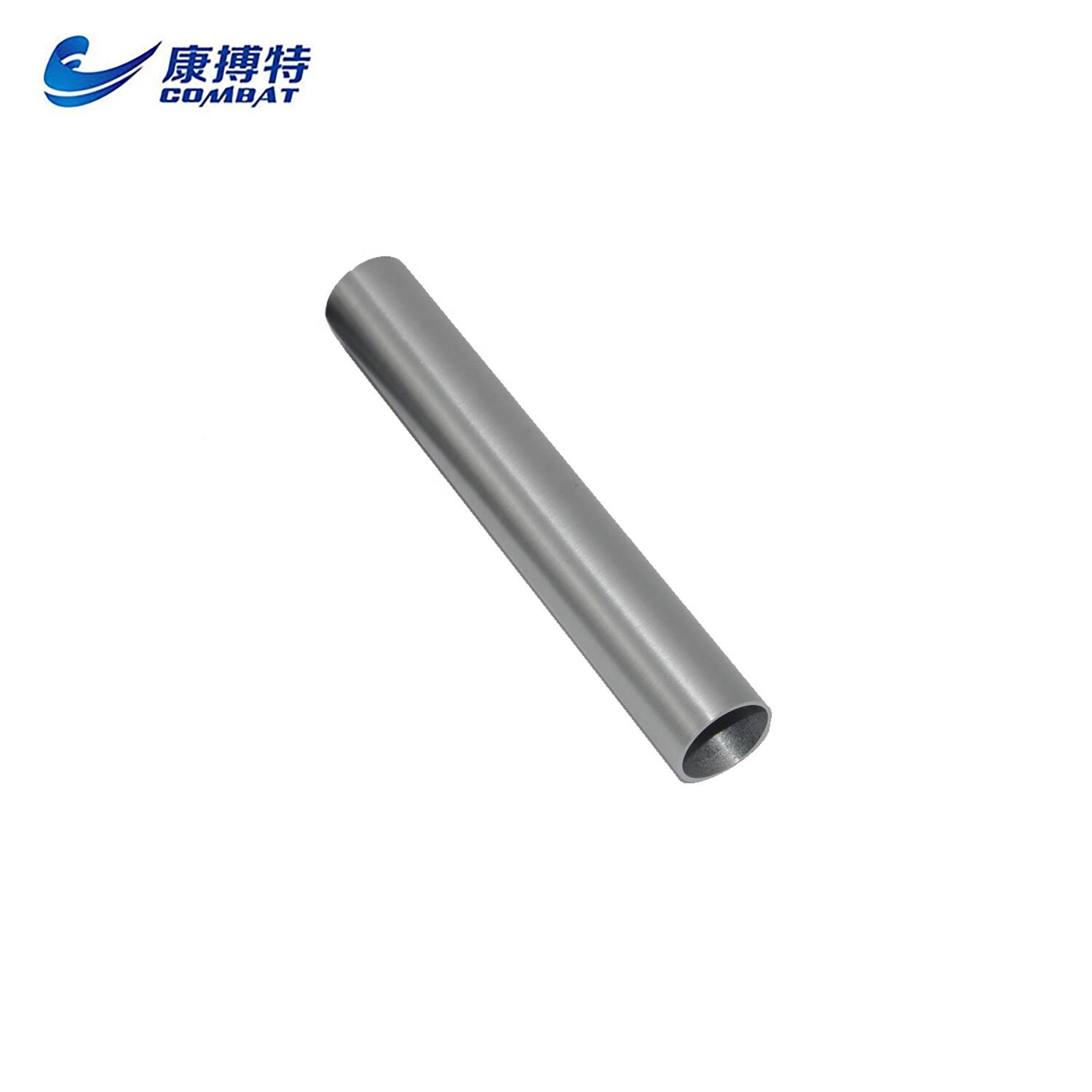
6 Moly Tubing: Superior Corrosion-Resistant Stainless Steel for Industrial Applications

Get a Free Quote

Our representative will contact you soon.
Email
Name
Country/Region
Mobile/WhatsApp
Product Name
Message
0/1000

6 moly tubing

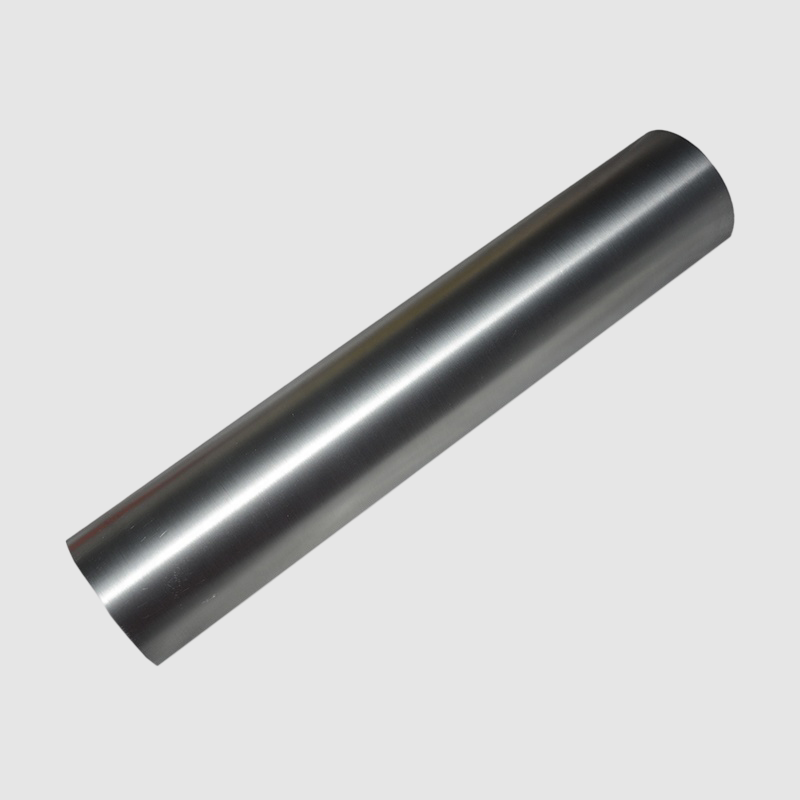
6 moly tubing represents a specialized grade of stainless steel tubing that contains approximately 6 percent molybdenum in its alloy composition, making it one of the most corrosion-resistant materials available for industrial applications. This high-performance tubing is engineered to withstand extremely aggressive environments where standard stainless steel grades would fail prematurely. The primary function of 6 moly tubing is to provide reliable fluid and gas transport in chemical processing plants, offshore oil and gas platforms, pharmaceutical manufacturing facilities, and marine applications where exposure to chlorides, acids, and other corrosive substances is constant. The technological features that distinguish this tubing include its superior resistance to pitting and crevice corrosion, exceptional strength at elevated temperatures, and outstanding performance in seawater and brine solutions. The molybdenum content works synergistically with chromium and nickel to create a protective passive layer that regenerates even when damaged, ensuring long-term durability. Applications for 6 moly tubing span across multiple industries including desalination plants, pulp and paper production, petrochemical refineries, and pollution control equipment. The tubing is manufactured through precision processes that ensure consistent wall thickness, smooth internal surfaces, and tight dimensional tolerances. These characteristics make 6 moly tubing ideal for critical systems where leaks or failures could result in safety hazards, environmental damage, or costly production downtime. The material maintains its mechanical properties across a wide temperature range, from cryogenic conditions to high-heat environments, providing versatility that few other materials can match. Engineers and procurement specialists choose 6 moly tubing when project specifications demand maximum reliability, extended service life, and minimal maintenance requirements in challenging operational conditions.
New Product Recommendations

The advantages of 6 moly tubing become immediately apparent when comparing total cost of ownership against alternative materials. While the initial investment may be higher than standard stainless steel options, the extended service life dramatically reduces replacement costs and eliminates frequent maintenance shutdowns that disrupt production schedules. This tubing resists corrosion in environments where other materials deteriorate rapidly, meaning your systems maintain integrity for decades rather than years. The superior pitting resistance prevents the formation of small holes that can grow into catastrophic failures, protecting your operations from unexpected leaks and the associated cleanup costs, regulatory fines, and reputational damage. Another significant advantage is the reduced need for protective coatings or cathodic protection systems, simplifying installation and lowering ongoing operational expenses. The tubing's smooth internal surface minimizes friction losses and prevents buildup of deposits that can restrict flow and reduce system efficiency. This translates directly into energy savings and improved process performance. The material's strength allows for thinner wall construction compared to lower-grade alloys, reducing weight without sacrificing pressure ratings, which is particularly valuable in offshore platforms and mobile equipment where weight considerations impact structural design and transportation costs. The tubing maintains consistent performance across temperature fluctuations, eliminating concerns about thermal expansion mismatches or brittleness in cold conditions. This reliability means fewer emergency repairs, reduced inventory of spare parts, and greater confidence in meeting production targets. The welding characteristics of 6 moly tubing allow for secure joints without special procedures or exotic filler materials, streamlining fabrication and reducing labor costs during installation. The material's resistance to stress corrosion cracking provides peace of mind in high-pressure applications where sudden failures could endanger personnel. Environmental benefits include longer replacement cycles that reduce material consumption and waste generation, supporting sustainability goals while delivering economic returns. The tubing's performance in seawater applications makes it invaluable for coastal facilities, marine vessels, and aquaculture operations where saltwater exposure is unavoidable. By choosing 6 moly tubing, you invest in a solution that protects your assets, ensures operational continuity, and delivers measurable returns through reduced maintenance, extended equipment life, and improved system reliability.

Latest News

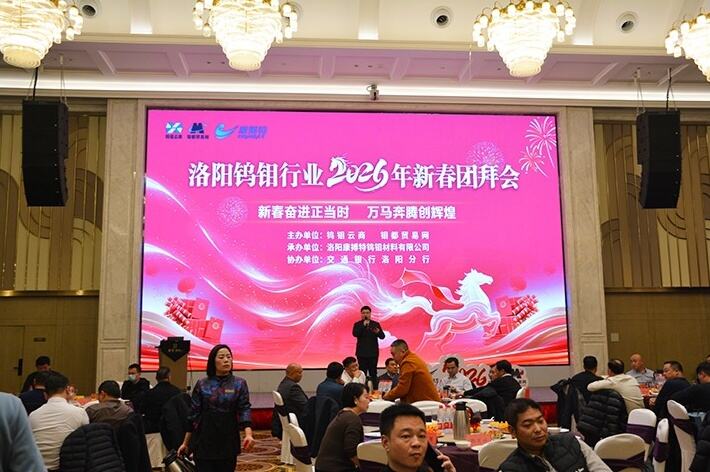
Gathering in Luoyang for Tungsten & Molybdenum, Uniting Hearts to Forge a New Dream Forward​

24

Apr

Gathering in Luoyang for Tungsten & Molybdenum, Uniting Hearts to Forge a New Dream Forward​

View More
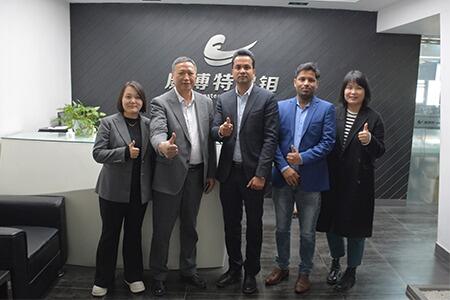
Indian Delegation Visits Youbo, Signs Molybdenum Bar and Tungsten Alloy Procurement Agreement​​

24

Apr

Indian Delegation Visits Youbo, Signs Molybdenum Bar and Tungsten Alloy Procurement Agreement​​

View More
International Ferroalloys 2025

24

Apr

International Ferroalloys 2025

View More
The Grand Opening Of The 2025 China International Powder Metallurgy, Hard Alloy And Advanced Ceramics Exhibition

24

Apr

The Grand Opening Of The 2025 China International Powder Metallurgy, Hard Alloy And Advanced Ceramics Exhibition

View More

Get a Free Quote

Our representative will contact you soon.
Email
Name
Country/Region
Mobile/WhatsApp
Product Name
Message
0/1000

6 moly tubing

Unmatched Corrosion Resistance in Aggressive Chemical Environments

Unmatched Corrosion Resistance in Aggressive Chemical Environments

The exceptional corrosion resistance of 6 moly tubing stems from its carefully balanced alloy composition that creates a robust defense against the most aggressive industrial chemicals and natural elements. The 6 percent molybdenum content works in concert with high levels of chromium and nickel to form a stable passive oxide layer that self-heals when scratched or damaged, providing continuous protection even under mechanical stress. This characteristic is particularly crucial in chemical processing facilities where exposure to sulfuric acid, hydrochloric acid, phosphoric acid, and various organic acids occurs regularly. Unlike conventional stainless steel grades that suffer rapid degradation in chloride-rich environments, 6 moly tubing maintains its structural integrity in seawater, brine solutions, and brackish water applications. The material demonstrates remarkable resistance to pitting corrosion, which is the localized attack that creates small holes penetrating through the tubing wall, often leading to sudden failures in critical systems. Crevice corrosion, another common failure mode in tight spaces where oxygen access is limited, is virtually eliminated with 6 moly tubing, making it ideal for flanged connections, threaded fittings, and areas where gaskets create confined spaces. The tubing performs exceptionally well in reducing acids and oxidizing environments alike, providing versatility that simplifies material selection for complex process systems handling multiple chemical streams. Temperature variations that would accelerate corrosion in lesser materials have minimal impact on 6 moly tubing, allowing it to function reliably in both heated process lines and ambient temperature applications. The resistance to stress corrosion cracking ensures that the tubing will not develop sudden fractures even when subjected to tensile stresses in corrosive media, a failure mode that has caused numerous industrial accidents with inferior materials. This comprehensive corrosion resistance translates into predictable service life, reduced inspection requirements, and the confidence to design systems with minimal safety factors, optimizing both performance and cost efficiency for demanding industrial applications.
Superior Mechanical Properties and Temperature Performance

Superior Mechanical Properties and Temperature Performance

6 moly tubing delivers outstanding mechanical properties that maintain consistency across an impressive temperature range, making it the preferred choice for applications where thermal cycling, elevated temperatures, or cryogenic conditions challenge material performance. The alloy exhibits high tensile strength that allows engineers to design systems with thinner walls and reduced weight while maintaining required pressure ratings and safety margins. This strength advantage becomes particularly valuable in offshore oil and gas platforms where every kilogram of weight impacts structural requirements and installation costs. The material's yield strength remains stable at elevated temperatures up to 400 degrees Celsius, ensuring that process equipment maintains dimensional stability and pressure containment even during upset conditions or thermal excursions. At cryogenic temperatures, where many materials become brittle and prone to fracture, 6 moly tubing retains its ductility and impact resistance, making it suitable for liquefied natural gas systems, cryogenic storage facilities, and low-temperature chemical processes. The thermal expansion coefficient of the alloy is well-characterized and predictable, allowing designers to accurately calculate expansion loops and support spacing to prevent stress accumulation during temperature changes. Fatigue resistance is another critical mechanical property where 6 moly tubing excels, withstanding millions of pressure cycles without developing cracks or degradation, which is essential for systems experiencing frequent startups and shutdowns or pulsating flow conditions. The material's hardness provides excellent resistance to erosion from high-velocity fluids carrying suspended solids, extending service life in slurry transport, catalyst circulation, and abrasive chemical processes. Welding does not significantly degrade the mechanical properties of 6 moly tubing when proper procedures are followed, allowing fabricators to create complex piping assemblies without creating weak points or zones susceptible to premature failure. The combination of strength, temperature stability, and fatigue resistance enables 6 moly tubing to function reliably in the most demanding industrial environments where equipment failure could result in production losses, safety incidents, or environmental releases.
Long-Term Economic Value and Operational Reliability

Long-Term Economic Value and Operational Reliability

The economic advantages of 6 moly tubing extend far beyond the initial purchase price, delivering substantial long-term value through reduced maintenance costs, extended service intervals, and improved operational reliability that directly impacts profitability. When evaluating material options for critical piping systems, a comprehensive lifecycle cost analysis reveals that 6 moly tubing often provides the lowest total cost of ownership despite higher upfront investment compared to carbon steel or standard stainless steel alternatives. The extended service life, frequently exceeding 30 years in properly designed systems, eliminates multiple replacement cycles that would be necessary with inferior materials, avoiding the direct costs of new tubing as well as the indirect costs of production shutdowns, labor for removal and installation, and disposal of failed components. Maintenance requirements decrease dramatically because the tubing does not require protective coatings, periodic inspections reveal minimal degradation, and the absence of corrosion eliminates the need for frequent repairs or section replacements. This reliability translates into higher plant availability and capacity utilization, allowing facilities to meet production targets consistently without unplanned outages that disrupt supply chains and disappoint customers. The predictable performance of 6 moly tubing simplifies spare parts inventory management, as emergency replacements are rarely needed, freeing up working capital and warehouse space for more productive uses. Insurance costs may decrease when critical systems are constructed with high-reliability materials that reduce the probability of leaks, fires, or environmental releases. Regulatory compliance becomes easier because the tubing's corrosion resistance prevents the gradual thinning that could eventually result in pressure vessel code violations or environmental permit exceedances. Energy efficiency improves because the smooth internal surface maintains low friction factors throughout the tubing's service life, unlike corroding materials that develop rough surfaces and flow restrictions over time. The material's stability in harsh environments reduces the frequency of system flushing, chemical cleaning, and other maintenance procedures that consume resources and generate waste streams requiring treatment and disposal. For companies committed to sustainability, the longevity of 6 moly tubing aligns with circular economy principles by maximizing resource utilization and minimizing material consumption over the facility's operational lifetime.

Get a Free Quote

Our representative will contact you soon.
Email
Name
Country/Region
Mobile/WhatsApp
Product Name
Message
0/1000