High-Performance Moly Tube Solutions for Extreme Temperature Applications

Get a Free Quote

Our representative will contact you soon.
Email
Name
Country/Region
Mobile/WhatsApp
Product Name
Message
0/1000

moly tube

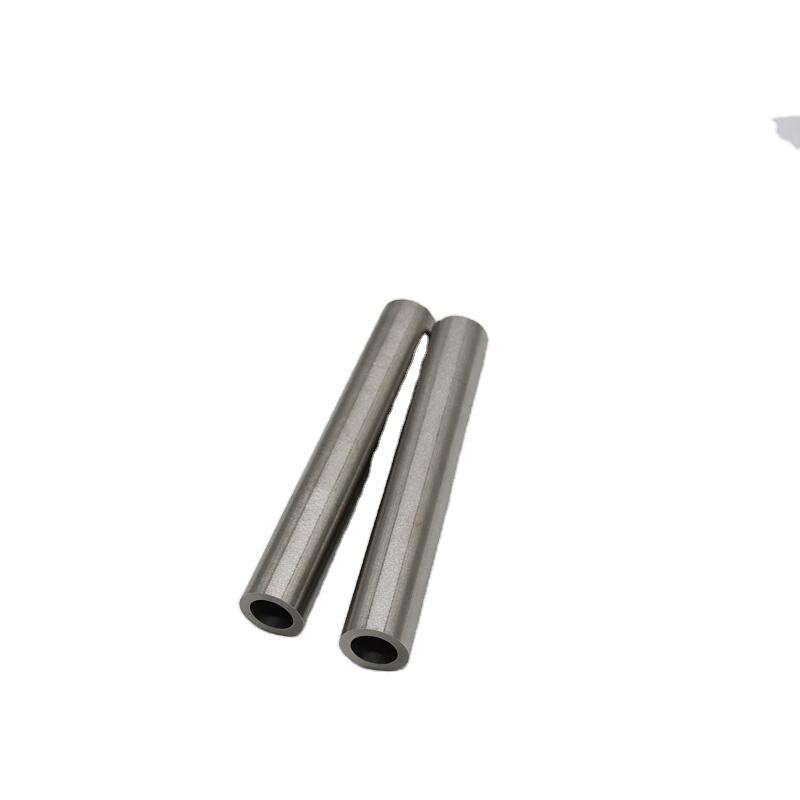
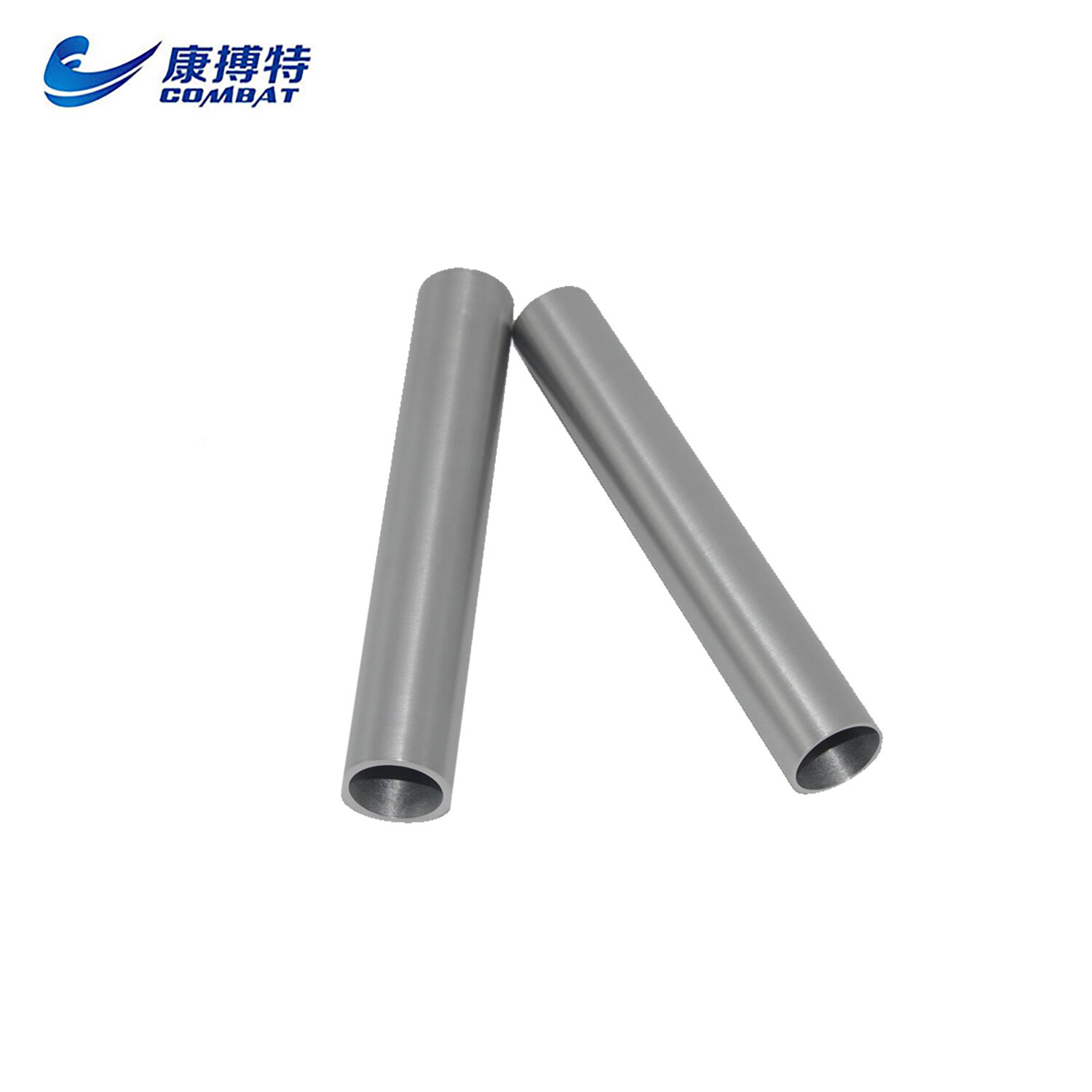
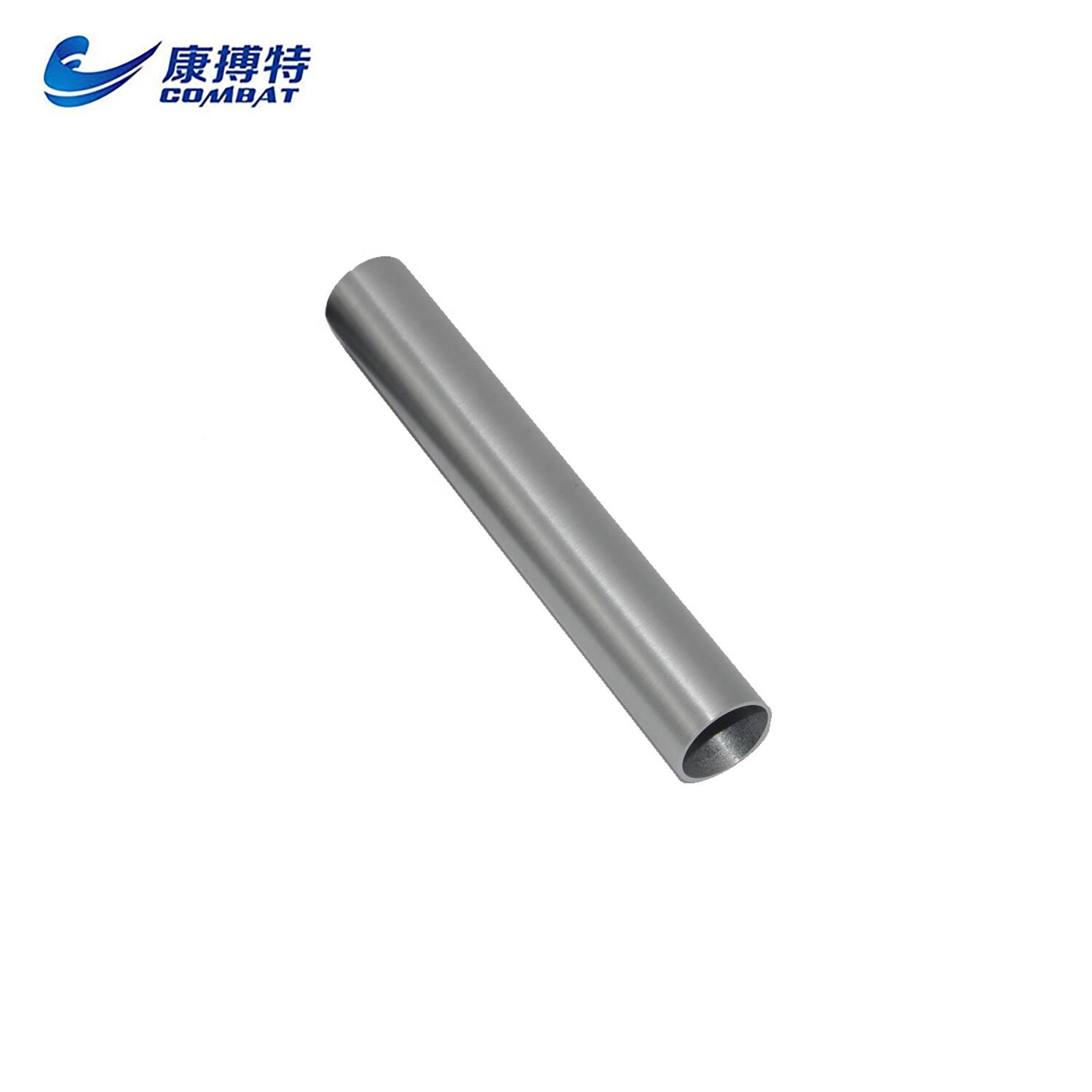
A moly tube represents a specialized cylindrical component manufactured from molybdenum, a refractory metal known for its exceptional performance in extreme conditions. These tubes serve critical roles across multiple industries where standard materials fail to meet demanding operational requirements. The primary function of a moly tube centers on containing, transporting, or protecting materials and processes that operate at extraordinarily high temperatures, often exceeding 2000 degrees Celsius. Manufacturing processes create these tubes through various methods including powder metallurgy, machining from solid stock, or specialized forming techniques that preserve the metal's inherent properties. The technological features that distinguish moly tubes include their remarkable thermal conductivity, which enables efficient heat transfer in furnace applications and thermal processing equipment. Their low thermal expansion coefficient ensures dimensional stability across wide temperature ranges, preventing warping or structural failure during heating and cooling cycles. Molybdenum's high melting point of 2623 degrees Celsius makes these tubes indispensable in applications where other metals would simply liquify. The material exhibits excellent corrosion resistance against many molten metals and aggressive chemical environments, extending service life in harsh conditions. Applications span semiconductor manufacturing, where moly tubes function as heating elements and structural components in crystal growing furnaces. The glass industry relies on these tubes for electrodes and stirring mechanisms in glass melting tanks. Metallurgical operations use them as protective sheaths for thermocouples and heating elements in vacuum furnaces. Aerospace and defense sectors incorporate moly tubes in rocket nozzles and high-temperature structural components. Medical equipment manufacturers utilize them in X-ray tube production and radiation shielding applications. The tubes maintain mechanical strength at elevated temperatures where steel and other common metals lose structural integrity, making them essential for specialized industrial processes that push material limits.

New Product Recommendations

Choosing a moly tube delivers tangible benefits that directly impact your operational efficiency and bottom line. The foremost advantage lies in exceptional temperature resistance that allows your equipment to operate reliably in conditions that would destroy conventional materials. This capability translates to fewer equipment failures, reduced downtime, and lower replacement costs over the equipment's lifetime. Your production processes gain consistency because these tubes maintain their dimensions and properties across extreme temperature swings, eliminating the dimensional changes that cause quality issues with standard materials. The superior thermal conductivity accelerates heating and cooling cycles in your processes, reducing energy consumption and increasing throughput. You complete more production runs in less time while using less power, directly improving profitability. The material's inherent purity prevents contamination of sensitive processes, particularly critical in semiconductor and pharmaceutical applications where even trace impurities cause product defects. Your yield rates improve because the tube material does not introduce unwanted elements into your process stream. Corrosion resistance extends equipment life significantly compared to alternatives, reducing capital expenditure on replacement components. A moly tube operating in a corrosive environment can last years longer than stainless steel or ceramic alternatives, deferring major equipment investments. The mechanical strength at high temperatures means you can design lighter, more compact equipment without sacrificing safety margins. This strength enables thinner walls and smaller footprints, reducing material costs and installation space requirements. Maintenance intervals stretch longer because the tubes resist wear, oxidation, and thermal fatigue that plague other materials. Your maintenance teams spend less time on component replacement and more time on productive activities. The tubes perform reliably in vacuum environments without outgassing or degradation, essential for processes requiring ultra-clean conditions. Energy efficiency improves across your operation because the material's properties enable better insulation designs and more effective heat management. You reduce cooling requirements and heat loss, cutting utility costs month after month. The long-term cost analysis consistently favors moly tubes despite higher initial investment, as their durability and performance advantages compound over years of service. Your total cost of ownership decreases while process reliability increases, creating competitive advantages in your market.

Latest News

The 31st Russia International Metal and Metallurgy Industry Exhibition 2025 (Metal-Expo)

24

Apr

The 31st Russia International Metal and Metallurgy Industry Exhibition 2025 (Metal-Expo)

View More
Indian Delegation Visits Youbo, Signs Molybdenum Bar and Tungsten Alloy Procurement Agreement​​

24

Apr

Indian Delegation Visits Youbo, Signs Molybdenum Bar and Tungsten Alloy Procurement Agreement​​

View More
The Grand Opening Of The 2025 China International Powder Metallurgy, Hard Alloy And Advanced Ceramics Exhibition

24

Apr

The Grand Opening Of The 2025 China International Powder Metallurgy, Hard Alloy And Advanced Ceramics Exhibition

View More
Luoyang Combat Tungsten & Molybdenum Materials Co., Ltd. Shines at Asia Ferroalloys 2025 Conference to Forge Global Collaboration Opportunities

24

Apr

Luoyang Combat Tungsten & Molybdenum Materials Co., Ltd. Shines at Asia Ferroalloys 2025 Conference to Forge Global Collaboration Opportunities

View More

Get a Free Quote

Our representative will contact you soon.
Email
Name
Country/Region
Mobile/WhatsApp
Product Name
Message
0/1000

moly tube

Unmatched High-Temperature Performance and Stability

Unmatched High-Temperature Performance and Stability

The defining characteristic that sets a moly tube apart from all alternatives is its extraordinary ability to perform in extreme heat environments that would instantly compromise or destroy other materials. This capability stems from molybdenum's fundamental atomic structure and crystalline properties that remain stable at temperatures where most metals transition to liquid states. When your process demands temperatures exceeding 1800 degrees Celsius, a moly tube continues functioning with full structural integrity while maintaining precise dimensional tolerances. This performance level opens possibilities for process optimization that simply cannot exist with conventional materials. Manufacturing operations can push temperature envelopes higher to achieve faster reaction rates, improved product quality, or entirely new process capabilities. The tube's low thermal expansion coefficient means it grows minimally when heated, preventing the binding, warping, and seal failures that plague high-temperature equipment using materials with higher expansion rates. This dimensional stability proves critical in precision applications where even millimeter-level changes cause process failures or product defects. Furnace designers can specify tighter tolerances and more compact assemblies knowing the moly tube components will maintain their geometry throughout thermal cycling. The material retains mechanical strength at elevated temperatures, unlike metals that soften and creep under sustained heat exposure. A moly tube supporting structural loads at 2000 degrees maintains load-bearing capacity that would require much larger cross-sections in refractory alloys or ceramic materials. This strength-to-weight advantage at temperature enables innovative equipment designs that reduce overall system mass and thermal inertia. Faster heating and cooling cycles become achievable, improving process flexibility and energy efficiency. The tubes resist thermal shock remarkably well, surviving rapid temperature changes that would crack ceramics or cause thermal fatigue in other metals. This resilience reduces equipment failures during startup, shutdown, and emergency situations where temperature control becomes difficult. Your operations gain reliability and safety margins that protect both equipment investment and personnel.
Superior Chemical Resistance and Material Purity

Superior Chemical Resistance and Material Purity

A moly tube delivers exceptional resistance to chemical attack and contamination that proves essential in demanding industrial processes. The material's chemical inertness prevents reactions with most acids, alkalis, and molten metals that would rapidly corrode or dissolve alternative materials. This resistance extends equipment life dramatically in environments where chemical exposure is constant and severe. Glass manufacturing operations benefit enormously because molybdenum resists attack from molten glass compositions that dissolve platinum, corrode ceramics, and oxidize most metals. The tube maintains its surface integrity year after year in continuous contact with aggressive molten materials at extreme temperatures. Semiconductor processing requires ultra-pure environments where any contamination source causes device failures and yield loss. A moly tube introduces virtually no impurities into process atmospheres or material streams, maintaining the cleanliness levels that advanced chip manufacturing demands. The material does not outgas organic compounds, moisture, or particulates that would compromise vacuum processes or deposit unwanted films on sensitive substrates. Chemical vapor deposition systems, crystal growing furnaces, and ion implantation equipment all benefit from this purity advantage. Metallurgical applications involving reactive metals like titanium, zirconium, and rare earth elements require containment materials that will not contaminate the melt or react with the process atmosphere. Molybdenum's chemical stability makes it one of the few materials suitable for these specialized applications. The tubes resist oxidation better than many refractory metals, though protective atmospheres or coatings extend service life further in oxidizing environments. This oxidation resistance means the material maintains its properties and dimensions over extended service periods without the surface degradation that weakens other high-temperature materials. Cleaning and maintenance become simpler because the smooth, non-reactive surface does not accumulate stubborn deposits or react with cleaning agents. Your maintenance procedures require less aggressive chemicals and shorter downtime, reducing operational disruptions. The material's stability across pH ranges and in the presence of halogens, sulfur compounds, and other aggressive species makes it uniquely versatile for multi-purpose equipment that handles varying process chemistries.
Long-Term Economic Value and Operational Reliability

Long-Term Economic Value and Operational Reliability

Investing in a moly tube delivers compelling economic returns that extend far beyond the initial purchase price, creating value through enhanced reliability, reduced maintenance, and improved process performance. The extended service life compared to alternative materials means you replace components less frequently, reducing both parts costs and the labor expenses associated with equipment teardown and rebuilding. In continuous process industries where downtime costs thousands of dollars per hour, the reliability advantage translates directly to bottom-line profitability. Equipment using moly tubes experiences fewer unplanned shutdowns, allowing production schedules to proceed without the disruptions that plague operations using less durable materials. This reliability enables just-in-time manufacturing strategies and tight delivery commitments that would be risky with less dependable equipment. The tubes' consistent performance characteristics mean your process parameters remain stable over time, reducing the need for constant adjustment and recalibration. Product quality improves and becomes more predictable, reducing scrap rates and customer complaints. Energy efficiency gains accumulate substantially over years of operation, as the material's thermal properties enable better insulation designs and more effective heat management strategies. Lower energy consumption per unit of production improves your competitive position and reduces environmental impact, increasingly important factors in modern manufacturing. The ability to operate at higher temperatures or in more aggressive environments opens process optimization opportunities that improve yield, reduce cycle times, or enable entirely new product capabilities. These process improvements often deliver returns that dwarf the material cost differential between molybdenum and alternatives. Maintenance planning becomes more predictable because the tubes resist the gradual degradation that makes failure timing uncertain with other materials. You can schedule maintenance during planned downtime rather than responding to emergency failures that disrupt production and require premium-cost expedited repairs. The material's recyclability provides end-of-life value, as molybdenum scrap retains significant worth and can be reprocessed into new products. This recyclability reduces the true cost of ownership and supports sustainability initiatives. Insurance and safety benefits accrue from using materials with proven high-temperature performance and failure resistance, potentially reducing premiums and liability exposure in critical applications.

Get a Free Quote

Our representative will contact you soon.
Email
Name
Country/Region
Mobile/WhatsApp
Product Name
Message
0/1000