
 EN
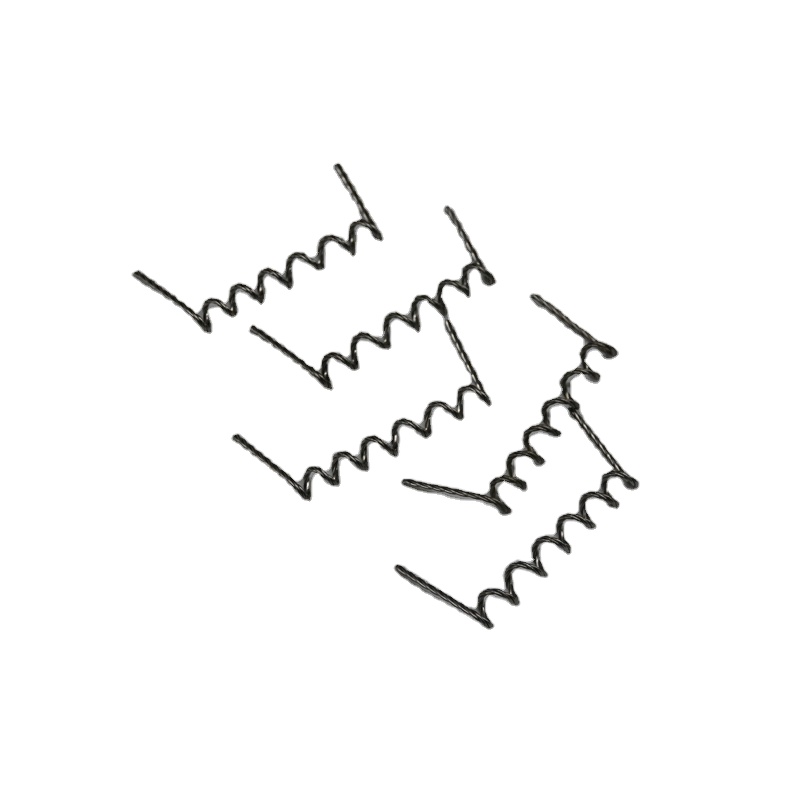
Tungsten wire represents one of the most critical materials in modern industrial applications where extreme temperatures dominate operational environments. Industries ranging from aerospace engineering to semiconductor manufacturing rely heavily on tungsten wire for its exceptional thermal stability and mechanical properties. Understanding how tungsten wire performs under extreme temperature conditions is essential for engineers, procurement specialists, and manufacturing leaders who need reliable solutions for high-temperature processes. Tungsten wire stands apart from conventional materials because of its extraordinarily high melting point, which exceeds 3,400 degrees Celsius, making it a go-to choice for applications that demand uncompromising performance at the thermal edge.

The performance characteristics of tungsten wire under extreme temperature conditions extend far beyond simple heat resistance. When temperatures climb to levels that would render aluminum, copper, or even stainless steel unsuitable, tungsten wire maintains structural integrity, electrical conductivity, and mechanical strength. This article explores the science behind tungsten wire performance, the mechanisms that enable its thermal resilience, and the practical industrial scenarios where tungsten wire delivers measurable value and operational reliability in extreme environments.
Thermal Stability and Structural Integrity of Tungsten Wire
Melting Point and Crystalline Structure
Tungsten wire achieves its remarkable thermal performance through its unique crystalline lattice structure and extraordinarily high melting point. The atomic bonds within tungsten are exceptionally strong, requiring massive thermal energy to break free and transition to liquid state. This property makes tungsten wire capable of withstanding sustained exposure to temperatures exceeding 3,000 degrees Celsius without losing dimensional stability or mechanical properties. Unlike materials that begin softening or warping at moderate temperatures, tungsten wire maintains rigidity and predictable behavior even when subjected to prolonged thermal cycling.
Oxidation Resistance at Temperature
A distinguishing characteristic of tungsten wire performance is its relative resistance to oxidation compared to competing refractory materials. While tungsten wire does form tungsten oxide at very high temperatures in oxygen-rich environments, this process occurs at a much slower rate than oxidation of molybdenum or tantalum alternatives. In controlled atmospheres or inert gas environments, tungsten wire shows exceptional longevity because oxidation becomes a non-factor. This property makes tungsten wire particularly valuable in vacuum furnaces, controlled-atmosphere kilns, and other industrial processes where environmental control is achievable, extending the operational lifespan of tungsten wire components significantly.
Mechanical Properties of Tungsten Wire Under Thermal Stress
Strength Retention at Elevated Temperatures
One of the most critical performance advantages of tungsten wire is its ability to retain tensile strength and hardness at extremely high temperatures. While most metals experience progressive softening as temperature increases, tungsten wire exhibits minimal strength degradation even at temperatures approaching 2,500 degrees Celsius. This unique characteristic allows tungsten wire to carry electrical loads, support mechanical stress, or maintain dimensional precision in furnace elements, heating coils, and thermal processing equipment without the gradual sagging or deformation that compromises other materials. Industrial facilities relying on tungsten wire benefit from predictable, consistent performance across wide temperature ranges, reducing maintenance cycles and equipment downtime.
Thermal Cycling and Fatigue Resistance
Tungsten wire demonstrates impressive resistance to fatigue damage caused by repeated thermal cycling, a scenario common in batch processing furnaces, welding equipment, and cyclic heating applications. Each heating and cooling cycle creates thermal stress as material contracts and expands at different rates. Tungsten wire withstands hundreds or thousands of thermal cycles with minimal crack initiation or propagation compared to conventional metals. This durability advantage makes tungsten wire economically attractive because replacement frequency decreases substantially, offsetting the higher initial material cost through extended service life and reduced operational interruptions.
Industrial Applications Where Tungsten Wire Excels Under Extreme Temperature
High-Temperature Furnace Elements
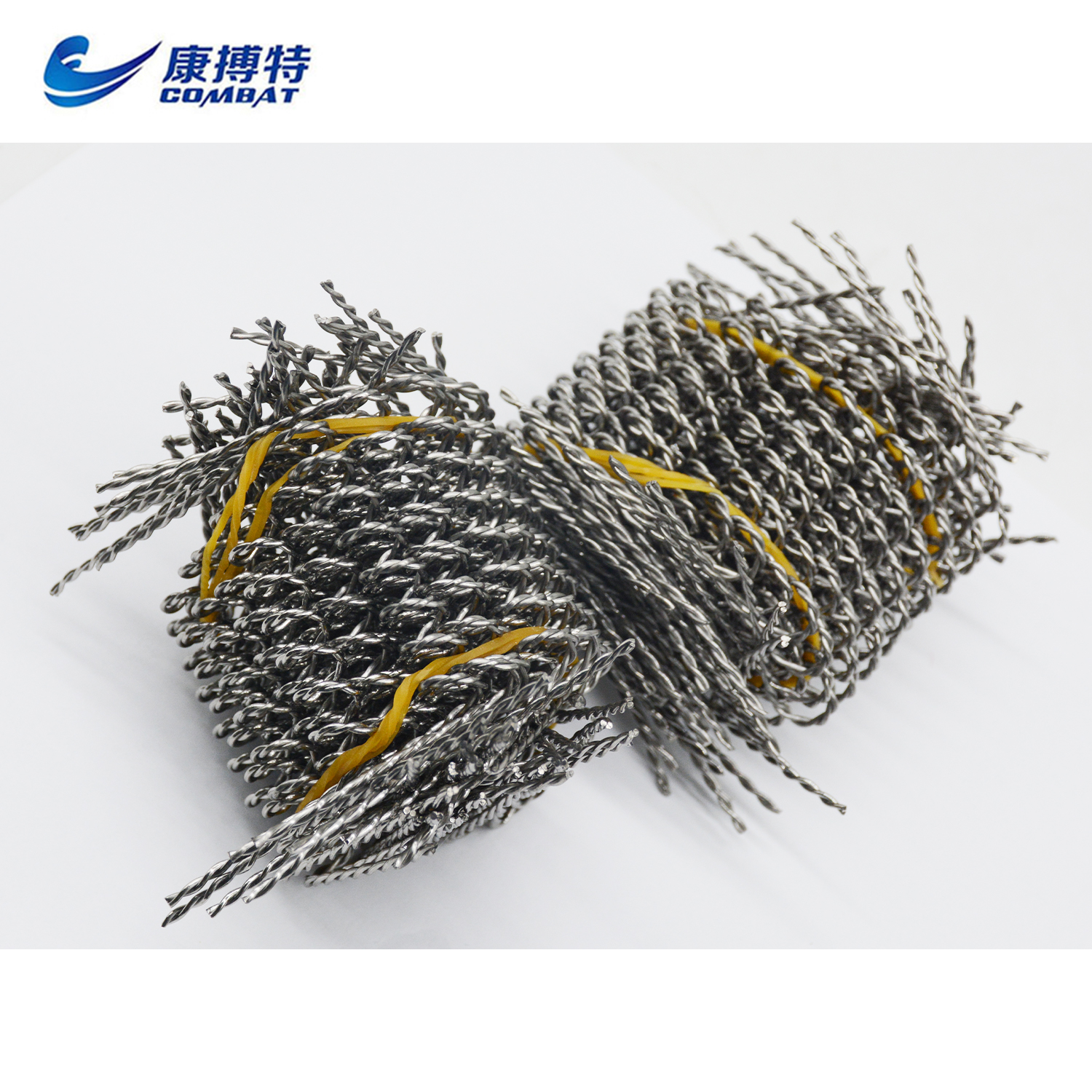
Tungsten wire serves as the foundational material for heating elements in laboratory furnaces, industrial kilns, and specialized high-temperature processing equipment. In these applications, tungsten wire is wound into coils, spirals, or grid configurations designed to generate and distribute heat uniformly across the furnace chamber. The ability of tungsten wire to operate continuously at temperatures exceeding 2,000 degrees Celsius makes it the standard choice for premium furnace designs where reliability and precise temperature control are non-negotiable. Laboratory researchers, ceramic manufacturers, metallurgical processors, and semiconductor fabricators depend on tungsten wire element performance to achieve repeatable, high-quality results in thermal processes.
Vacuum and Controlled-Atmosphere Equipment
Tungsten wire performs exceptionally well in vacuum furnaces, inert-atmosphere annealing chambers, and specialized processing environments where oxygen is excluded or minimized. In these controlled settings, tungsten wire avoids oxidative degradation entirely, enabling service life measured in years rather than months. Vacuum brazing equipment, electron beam furnaces, and crystal growth systems all benefit from tungsten wire reliability in environments specifically designed to protect the material from oxygen attack. The performance characteristics of tungsten wire in these applications have made it the preferred choice across aerospace, medical device, and advanced manufacturing sectors.
Electrical and Electronic Component Applications
Tungsten wire functions as electrical contacts, electrode materials, and thermal management components in equipment operating under extreme thermal conditions. Tungsten wire's combination of high melting point, excellent electrical conductivity, and thermal conductivity makes it suitable for arc lamp electrodes, electrical discharge machining electrodes, and welding equipment components. The performance of tungsten wire in these demanding roles directly influences equipment reliability, arc stability, and consistent process results. Manufacturers of precision welding systems, cutting equipment, and specialty lighting applications specify tungsten wire components because alternatives cannot match the thermal and electrical performance envelope.
Design Considerations for Optimizing Tungsten Wire Performance
Diameter Selection and Current Capacity
Selecting appropriate tungsten wire diameter is crucial for achieving optimal performance in extreme temperature applications. Thicker tungsten wire carries higher electrical current while maintaining lower resistance and reduced heating, suitable for applications requiring substantial power delivery. Thinner tungsten wire generates higher resistance per unit length, producing more intense localized heating, ideal for compact furnace elements or precise thermal applications. Engineers designing systems must calculate current capacity, desired temperature uniformity, and mechanical support requirements to choose tungsten wire diameter that maximizes both performance and lifespan. Incorrect diameter selection can lead to tungsten wire overheating in narrow cross-sections or insufficient thermal output in oversized applications.
Support Structure and Thermal Management
The mechanical support structure surrounding tungsten wire significantly influences overall performance under extreme temperature conditions. Tungsten wire must be positioned to allow thermal expansion without constraint that could cause buckling or stress concentration. Support materials must themselves withstand extreme temperatures without warping or sagging, which would alter tungsten wire geometry and distribution uniformity. Insulation materials separating tungsten wire from surroundings must maintain electrical isolation and thermal properties across the operating temperature range. Proper design of the tungsten wire mounting system ensures that the material's inherent thermal performance translates into reliable equipment operation.
Comparison of Tungsten Wire with Alternative Materials
Molybdenum and Tantalum Wire Alternatives
While molybdenum and tantalum wire offer high-temperature capabilities, tungsten wire surpasses both in maximum temperature rating and thermal stability. Molybdenum wire exhibits lower melting point and higher oxidation rates compared to tungsten wire, limiting application range. Tantalum wire, though expensive, cannot match the thermal performance ceiling of tungsten wire at extreme temperatures exceeding 2,500 degrees Celsius. When selecting refractory wire for truly extreme thermal environments, tungsten wire emerges as the material that combines maximum temperature capability with predictable long-term performance. The choice between tungsten wire and alternatives often comes down to specific temperature requirements, budget constraints, and environmental factors rather than fundamental performance superiority of alternatives.
Practical Maintenance and Longevity of Tungsten Wire Systems
Monitoring Performance Degradation
Industrial operators must implement systematic monitoring of tungsten wire condition to detect early signs of performance degradation or potential failure. Visual inspection for sagging, white oxidation deposits, or surface cracking provides initial indicators of tungsten wire stress or environmental exposure issues. Electrical resistance measurements of heating coils reveal changing tungsten wire characteristics as material degradation progresses. Thermal imaging identifies cold spots or uneven heating patterns suggesting local tungsten wire failures or contact problems. Predictive maintenance based on tungsten wire monitoring data enables planned replacement before catastrophic failure disrupts production schedules.
Extension of Tungsten Wire Service Life
Maximizing tungsten wire lifespan requires thoughtful operational practices and environmental control. Operating at temperatures below the material's thermal ceiling extends tungsten wire durability compared to sustained operation at maximum ratings. Protecting tungsten wire from unnecessary thermal cycling reduces fatigue damage accumulation. Maintaining inert or vacuum conditions where possible eliminates oxidative degradation pathways, allowing tungsten wire to perform at theoretical longevity levels. Proper electrical load balancing prevents localized overheating in discrete tungsten wire sections. These operational considerations transform tungsten wire from a consumable expense into a durable, cost-effective investment in reliable high-temperature processing capability.
FAQ
What is the maximum temperature tungsten wire can withstand continuously?
Tungsten wire can continuously withstand temperatures exceeding 2,000 degrees Celsius and approach 3,000 degrees Celsius for extended periods without significant degradation. The exact maximum depends on environmental conditions, support structure design, and electrical load applied. In vacuum or inert atmospheres, tungsten wire reaches higher practical limits because oxidation is eliminated. In air environments, oxidation limits continuous operation to lower temperatures while maintaining acceptable lifespan.
How does tungsten wire perform compared to other refractory materials at extreme temperatures?
Tungsten wire outperforms molybdenum, tantalum, and most other refractory materials in maximum temperature capability and thermal stability under extreme conditions. Tungsten wire's higher melting point, superior strength retention, and lower oxidation rate in controlled environments make it the preferred choice for applications demanding the highest thermal performance. Alternative materials may be selected for specific cost or environmental considerations, but tungsten wire represents the thermal performance standard.
Why does tungsten wire cost more than conventional heating elements?
Tungsten wire commands premium pricing due to its extraordinary performance capabilities under extreme temperatures, complex manufacturing processes, and limited sources of high-purity tungsten material. The extended lifespan of tungsten wire in high-temperature applications, however, often justifies the higher initial investment through reduced replacement frequency and improved operational reliability. Over the lifecycle of industrial equipment, tungsten wire typically delivers superior value despite higher unit cost compared to conventional alternatives.
Table of Contents
- Thermal Stability and Structural Integrity of Tungsten Wire
- Mechanical Properties of Tungsten Wire Under Thermal Stress
- Industrial Applications Where Tungsten Wire Excels Under Extreme Temperature
- Design Considerations for Optimizing Tungsten Wire Performance
- Comparison of Tungsten Wire with Alternative Materials
- Practical Maintenance and Longevity of Tungsten Wire Systems
- FAQ