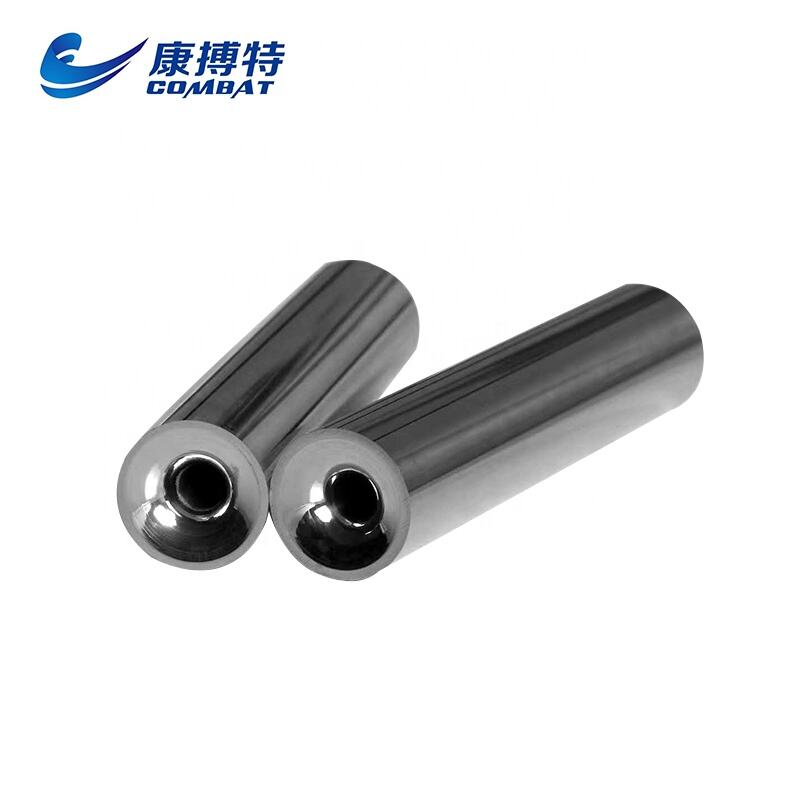
tungsten pipe
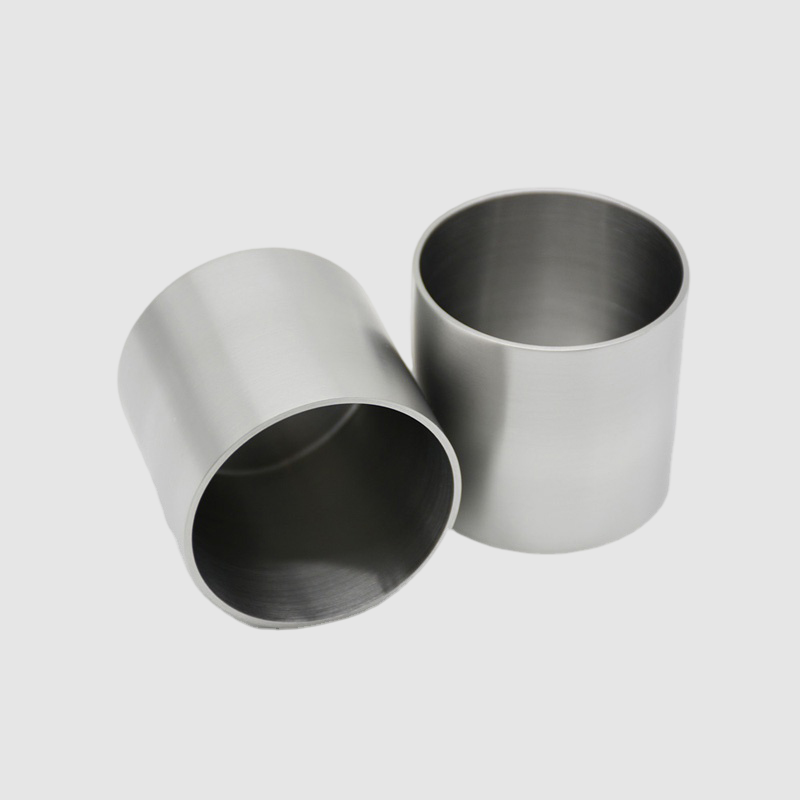
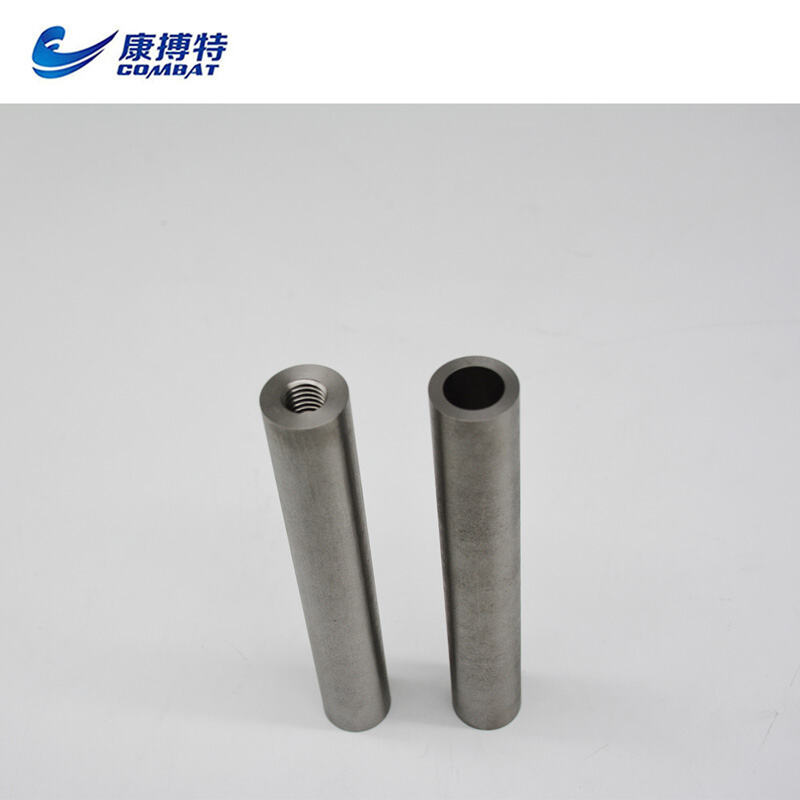
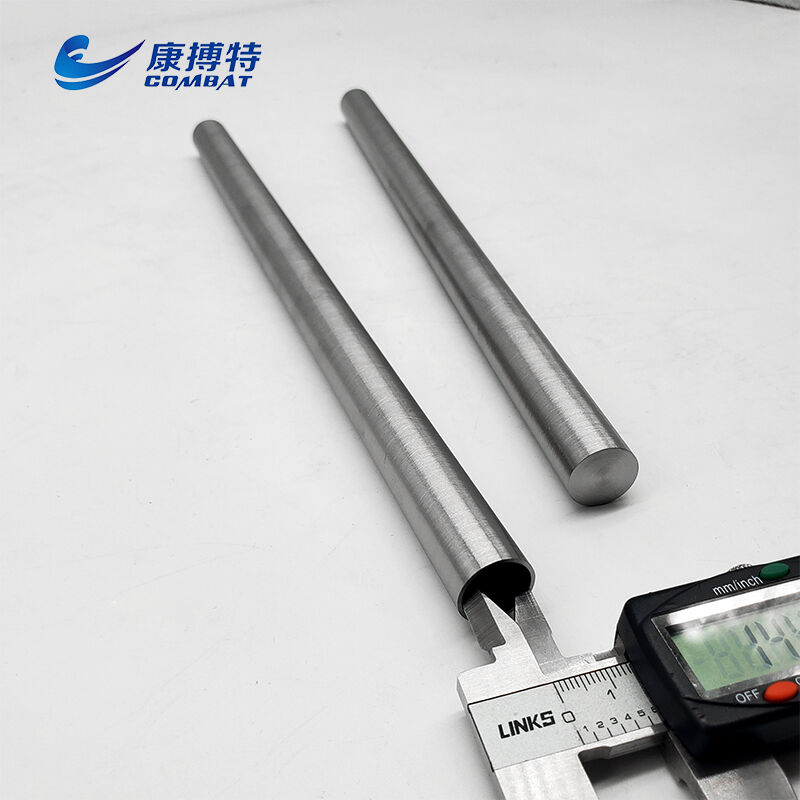
Tungsten pipe represents a specialized tubular product manufactured from tungsten metal, offering exceptional performance characteristics that make it indispensable across numerous industrial applications. This cylindrical component serves as a critical element in high-temperature environments, vacuum systems, and specialized manufacturing processes where conventional materials fail to deliver adequate performance. The tungsten pipe functions primarily as a conduit for transporting gases, liquids, or as a structural component in equipment operating under extreme conditions. Its technological features stem from tungsten's inherent properties, including an extraordinarily high melting point of 3422 degrees Celsius, making it the metal with the highest melting point among pure elements. This remarkable thermal stability allows tungsten pipe to maintain structural integrity and dimensional accuracy even when exposed to temperatures that would cause other materials to soften, deform, or completely melt. The manufacturing process involves powder metallurgy techniques or specialized forming methods that transform tungsten into seamless or welded tubular configurations. These pipes exhibit excellent thermal conductivity, enabling efficient heat transfer in applications requiring precise temperature control. The material's low thermal expansion coefficient ensures minimal dimensional changes across wide temperature ranges, a critical factor in precision engineering applications. Tungsten pipe finds extensive use in the semiconductor industry, where it serves as a component in chemical vapor deposition equipment and ion implantation systems. The aerospace sector utilizes these pipes in rocket nozzles and high-temperature exhaust systems, capitalizing on their ability to withstand extreme thermal stress. In the lighting industry, tungsten pipe components support filament structures and serve as electrode housings in specialized lamps. Medical equipment manufacturers incorporate tungsten pipe into radiation shielding applications and X-ray tube assemblies, leveraging its high density and radiation absorption capabilities. The metallurgical industry employs tungsten pipe in furnace components, heating elements, and crucible support structures where exposure to molten metals and corrosive atmospheres demands superior material performance.



 EN