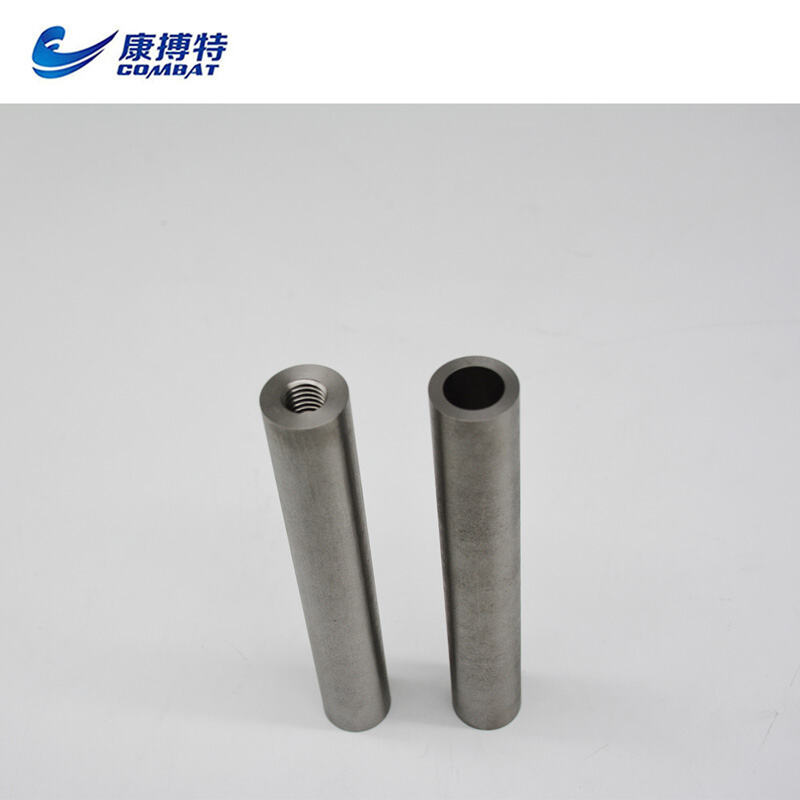
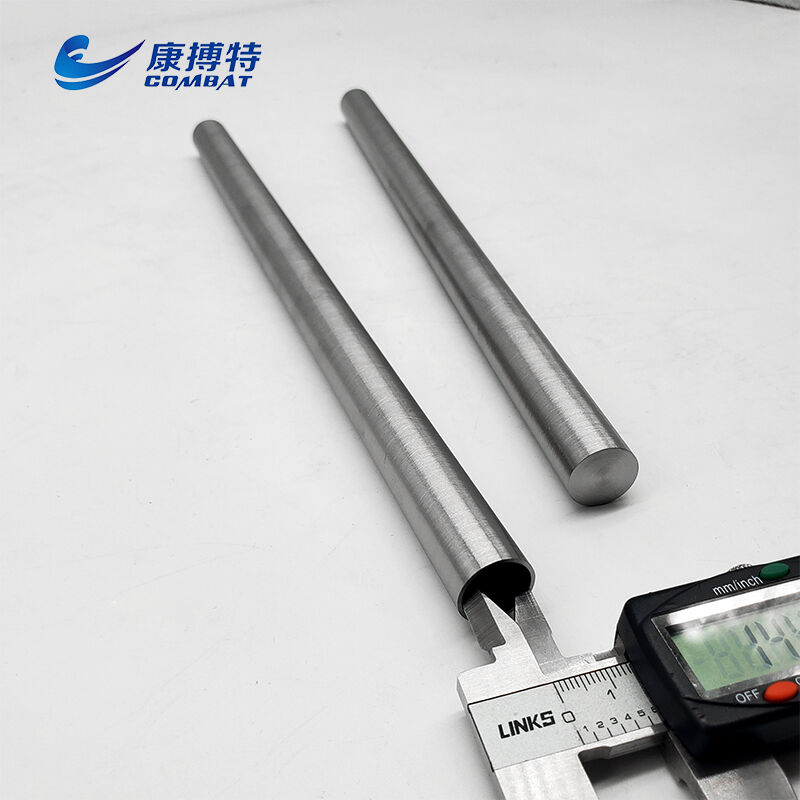
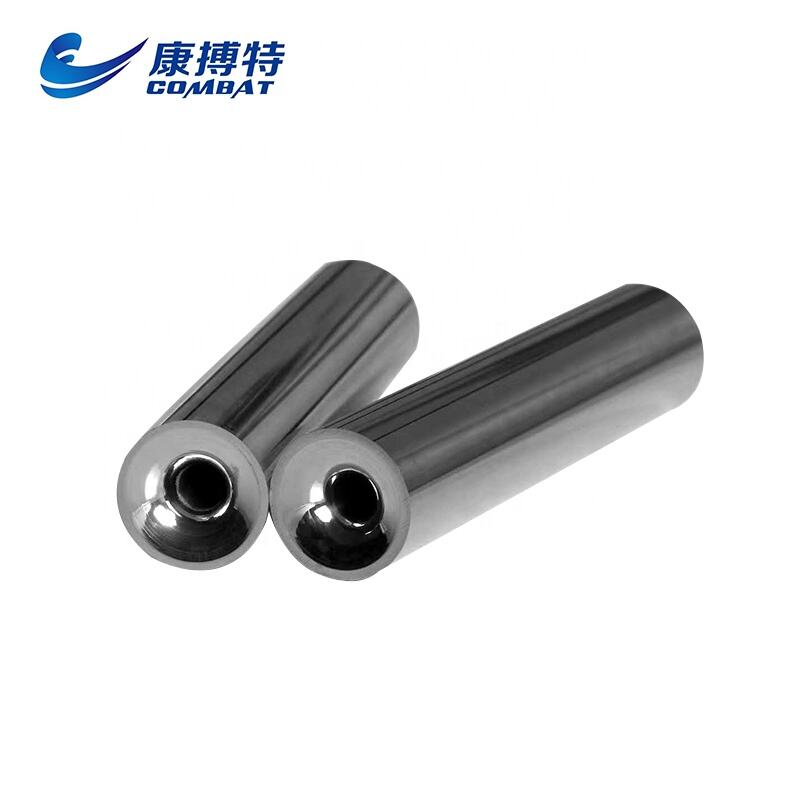
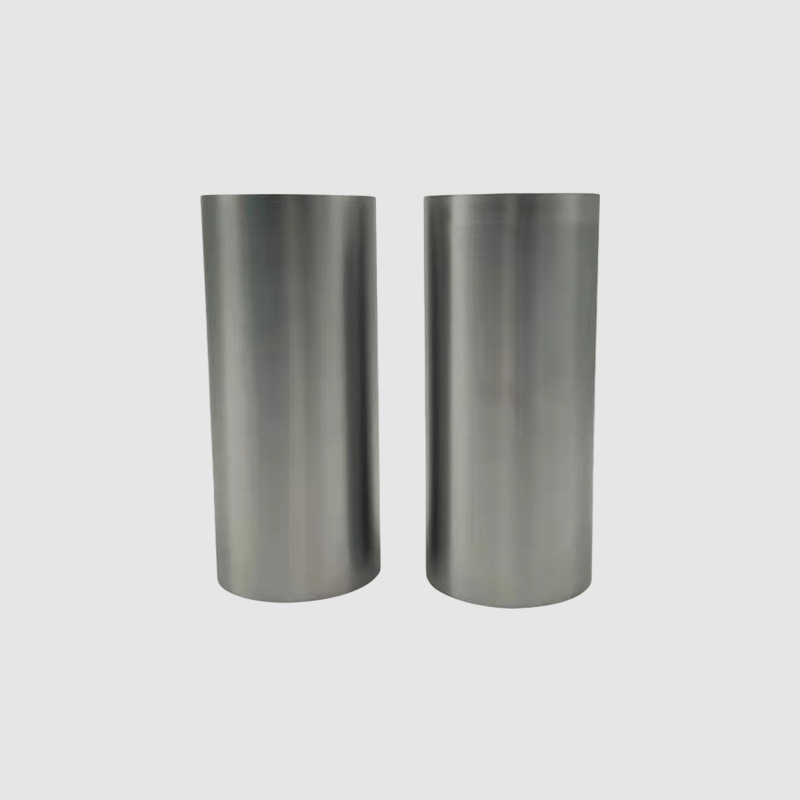
Tungsten Carbide Pipe: Ultimate Wear and Corrosion Resistant Industrial Piping Solution

Get a Free Quote

Our representative will contact you soon.
Email
Name
Country/Region
Mobile/WhatsApp
Product Name
Message
0/1000

tungsten carbide pipe

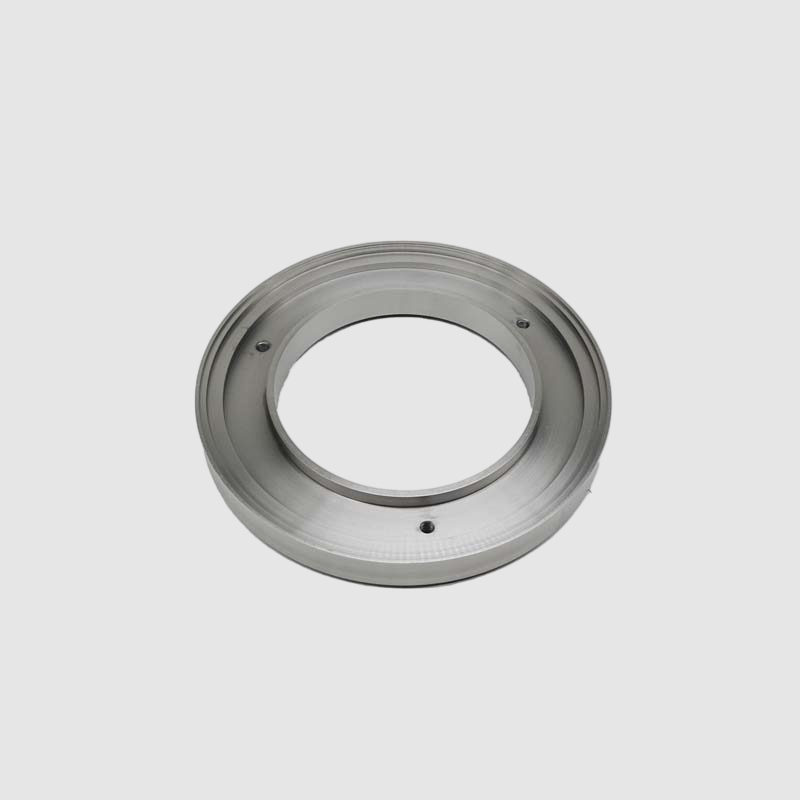
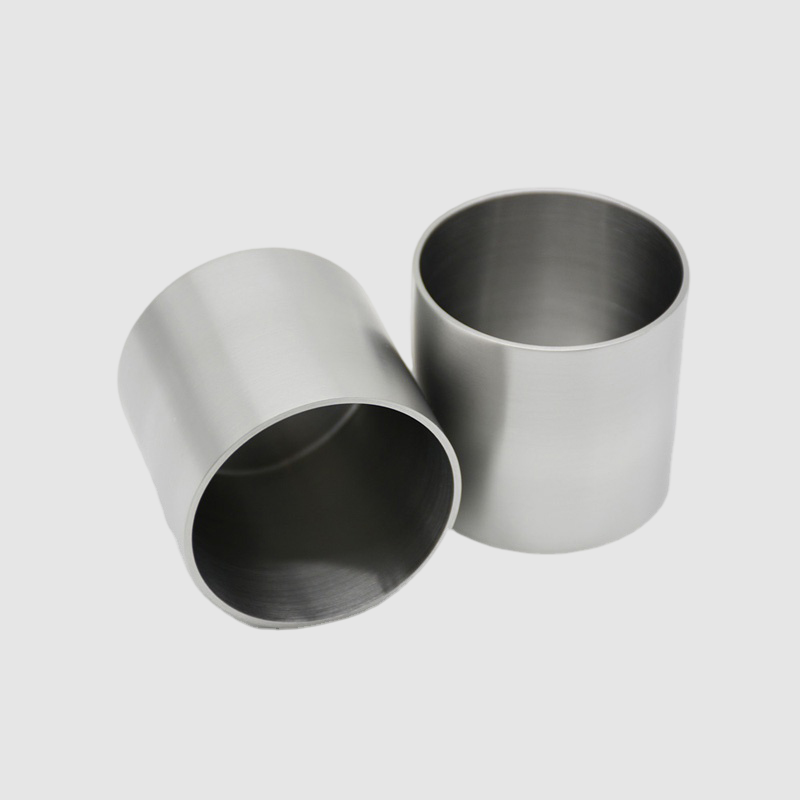
Tungsten carbide pipe represents a revolutionary advancement in industrial piping solutions, combining exceptional durability with outstanding performance characteristics. This specialized piping material consists of tungsten carbide particles bonded within a metallic matrix, creating a composite structure that delivers unmatched resistance to wear, corrosion, and extreme temperatures. The tungsten carbide pipe serves critical functions across multiple industries, from mining operations to chemical processing facilities, where conventional piping materials fail to meet demanding operational requirements. Its primary function involves transporting abrasive materials, corrosive chemicals, and high-temperature fluids without degrading or requiring frequent replacement. The technological features of tungsten carbide pipe include a hardness rating that exceeds most traditional materials, typically ranging between 1400 and 2200 Vickers hardness depending on the specific composition. This extreme hardness translates directly into extended service life, even when handling highly abrasive slurries containing sand, gravel, or mineral particles. The pipe maintains structural integrity under pressures exceeding 5000 PSI while resisting thermal shock from rapid temperature fluctuations. Manufacturing processes employ advanced sintering techniques that ensure uniform distribution of tungsten carbide throughout the pipe wall, eliminating weak points that could lead to premature failure. Applications span numerous sectors including petroleum extraction, where tungsten carbide pipe withstands the erosive effects of drilling mud and formation sand. Chemical plants utilize these pipes for transporting aggressive acids and alkalis that would rapidly corrode stainless steel alternatives. Power generation facilities depend on tungsten carbide pipe for ash handling systems, where coal particles would quickly erode conventional materials. Mining operations employ this technology for tailings transport, slurry pumping, and ore processing applications. The versatility of tungsten carbide pipe extends to pharmaceutical manufacturing, food processing, and wastewater treatment, demonstrating its adaptability across diverse operational environments.
New Product Releases

Choosing tungsten carbide pipe delivers substantial cost savings over the operational lifetime of your facility. While the initial investment exceeds conventional piping options, the extended service life eliminates frequent replacement cycles that disrupt production and consume maintenance budgets. Facilities report service lives extending 10 to 20 times longer than traditional steel or polymer pipes when handling abrasive materials. This longevity reduces downtime associated with pipe replacement, allowing continuous operation that maximizes productivity and revenue generation. The superior wear resistance of tungsten carbide pipe maintains consistent internal diameter throughout its service life, ensuring stable flow rates and pressure characteristics. Conventional pipes gradually erode, creating enlarged sections that alter system hydraulics and reduce efficiency. Maintaining dimensional stability means your pumping systems operate at designed parameters, consuming less energy and delivering predictable performance. Corrosion resistance provides another significant advantage, particularly in chemical processing environments where aggressive substances attack metal surfaces. Tungsten carbide pipe resists oxidation, acidic attack, and alkaline degradation, maintaining structural integrity where stainless steel would pit and fail. This chemical stability eliminates contamination risks, ensuring product purity in pharmaceutical and food processing applications. The material withstands temperature extremes from cryogenic conditions to 800 degrees Celsius, accommodating thermal cycling without cracking or deforming. This thermal stability proves invaluable in power generation and metallurgical applications where temperature fluctuations challenge material performance. Installation flexibility represents another practical benefit, as tungsten carbide pipe adapts to existing piping systems through standard flanged connections and welding procedures. Maintenance teams work with familiar installation methods, avoiding specialized training or equipment requirements. The smooth internal surface of tungsten carbide pipe reduces friction losses, improving flow efficiency and reducing pumping costs. Lower friction means smaller pumps can achieve required flow rates, reducing capital equipment costs and ongoing energy consumption. Environmental benefits emerge from reduced material waste, as longer service life means fewer discarded pipes entering waste streams. Facilities pursuing sustainability goals appreciate this reduced environmental footprint. Safety improvements result from fewer pipe failures, reducing risks of hazardous material releases and worker exposure to dangerous substances. The reliability of tungsten carbide pipe creates predictable maintenance schedules, allowing planned shutdowns rather than emergency repairs that endanger personnel and disrupt operations.

Tips And Tricks

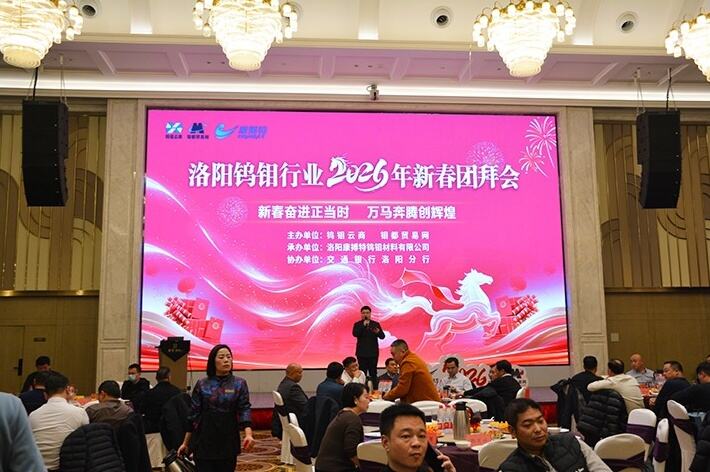
Gathering in Luoyang for Tungsten & Molybdenum, Uniting Hearts to Forge a New Dream Forward​

24

Apr

Gathering in Luoyang for Tungsten & Molybdenum, Uniting Hearts to Forge a New Dream Forward​

View More
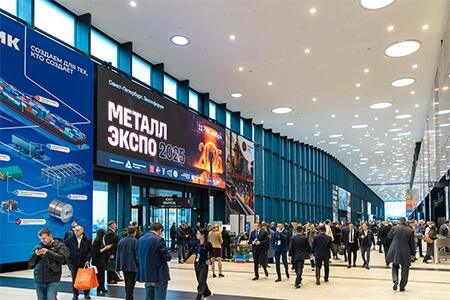
The 31st Russia International Metal and Metallurgy Industry Exhibition 2025 (Metal-Expo)

24

Apr

The 31st Russia International Metal and Metallurgy Industry Exhibition 2025 (Metal-Expo)

View More
International Ferroalloys 2025

24

Apr

International Ferroalloys 2025

View More
Luoyang Combat Tungsten & Molybdenum Materials Co., Ltd. Shines at Asia Ferroalloys 2025 Conference to Forge Global Collaboration Opportunities

24

Apr

Luoyang Combat Tungsten & Molybdenum Materials Co., Ltd. Shines at Asia Ferroalloys 2025 Conference to Forge Global Collaboration Opportunities

View More

Get a Free Quote

Our representative will contact you soon.
Email
Name
Country/Region
Mobile/WhatsApp
Product Name
Message
0/1000

tungsten carbide pipe

Unmatched Wear Resistance for Abrasive Applications

Unmatched Wear Resistance for Abrasive Applications

The exceptional wear resistance of tungsten carbide pipe stands as its most compelling feature, delivering performance that fundamentally transforms how facilities handle abrasive materials. This characteristic stems from the material's extreme hardness, which approaches that of diamond on the Mohs scale. When abrasive particles contact the pipe's internal surface during transport, they cannot penetrate or erode the tungsten carbide matrix as they would with softer materials. This resistance manifests in real-world applications where facilities transport sand-laden slurries, mineral concentrates, or coal ash without experiencing the rapid degradation that plagues conventional piping. Mining operations particularly benefit from this wear resistance, as they routinely handle materials containing quartz particles and other hard minerals that act like sandpaper on pipe interiors. Traditional steel pipes in these applications might last only months before requiring replacement, while tungsten carbide pipe continues performing for years or even decades. The economic impact proves substantial when considering that pipe replacement involves not just material costs but also labor expenses, production downtime, and potential safety risks during maintenance activities. Chemical plants handling catalyst particles or abrasive additives experience similar benefits, maintaining system integrity without the constant vigilance required for conventional materials. The wear resistance also maintains hydraulic efficiency throughout the pipe's service life, as the internal diameter remains constant rather than gradually enlarging through erosion. This dimensional stability ensures that pumping systems continue operating at designed flow rates and pressures, avoiding the performance degradation that occurs as conventional pipes wear. Energy consumption remains optimized because pumps do not need to compensate for increased system resistance or altered flow characteristics. Quality control benefits emerge in applications where particle contamination from pipe erosion would compromise product specifications. Pharmaceutical manufacturing and food processing operations cannot tolerate metal particles entering their product streams, making the non-eroding nature of tungsten carbide pipe essential for maintaining purity standards. The predictability of tungsten carbide pipe performance allows facility managers to implement condition-based maintenance strategies rather than time-based replacement schedules, optimizing maintenance resources and reducing unnecessary interventions.
Superior Corrosion Resistance Across Chemical Environments

Superior Corrosion Resistance Across Chemical Environments

Tungsten carbide pipe demonstrates remarkable corrosion resistance that protects your investment across diverse chemical environments, from highly acidic to strongly alkaline conditions. This chemical stability results from the inert nature of tungsten carbide, which resists oxidation and chemical attack that rapidly degrades metals and polymers. Facilities handling sulfuric acid, hydrochloric acid, or nitric acid find that tungsten carbide pipe maintains structural integrity where stainless steel develops pits and perforations. The material withstands pH extremes ranging from highly acidic solutions below pH 1 to caustic alkalis exceeding pH 13, providing versatility across chemical processing applications. This broad chemical compatibility eliminates the need for multiple piping materials tailored to specific chemicals, simplifying inventory management and installation planning. Corrosion resistance extends beyond simple chemical attack to include protection against galvanic corrosion, stress corrosion cracking, and microbiologically influenced corrosion that plague metallic alternatives. The non-reactive surface prevents biofilm formation that can harbor corrosive bacteria, maintaining clean internal surfaces that resist fouling and maintain flow efficiency. Pharmaceutical manufacturers value this characteristic for maintaining sanitary conditions and preventing contamination that could compromise product quality or patient safety. The absence of corrosion products means no metal ions leach into transported fluids, preserving chemical purity and eliminating downstream contamination issues. Analytical laboratories and semiconductor manufacturing facilities require this level of purity to maintain process control and product specifications. Environmental benefits emerge from eliminating corrosion-related failures that could release hazardous materials into surrounding areas, reducing risks of soil contamination, groundwater pollution, or atmospheric emissions. Regulatory compliance becomes simpler when using materials that resist degradation and maintain containment integrity throughout their service life. The longevity provided by corrosion resistance translates into reduced lifecycle costs, as facilities avoid the recurring expenses of pipe replacement, system cleaning, and contamination remediation. Maintenance teams appreciate the predictability of tungsten carbide pipe, which does not require the constant monitoring and inspection necessary for corrosion-prone materials. Insurance costs may decrease as facilities demonstrate reduced risks of chemical releases and environmental incidents through superior material selection.
Exceptional Thermal Stability for High-Temperature Operations

Exceptional Thermal Stability for High-Temperature Operations

The thermal stability of tungsten carbide pipe enables reliable performance across extreme temperature ranges that would destroy conventional piping materials, making it indispensable for high-temperature industrial processes. This characteristic allows continuous operation at temperatures reaching 800 degrees Celsius while maintaining structural integrity and dimensional stability. Power generation facilities utilize this capability for handling hot ash slurries and combustion byproducts that would melt or severely degrade polymer pipes and cause thermal fatigue in standard steel. The material resists thermal shock, withstanding rapid temperature changes that create stress fractures in brittle materials or cause warping in metals with high thermal expansion coefficients. This resilience proves critical in applications experiencing frequent thermal cycling, such as batch chemical reactors or intermittent process streams. Metallurgical operations benefit from tungsten carbide pipe when transporting molten salts, hot gases, or heated slurries involved in metal refining and processing. The low thermal expansion coefficient of tungsten carbide minimizes dimensional changes during heating and cooling cycles, maintaining tight tolerances and preventing joint failures that occur when materials expand and contract excessively. This stability ensures that flanged connections remain sealed and welded joints maintain integrity despite temperature fluctuations. Cryogenic applications also benefit from thermal stability, as tungsten carbide pipe maintains ductility and strength at extremely low temperatures where many materials become brittle and prone to catastrophic failure. Liquefied natural gas facilities and industrial gas production plants rely on this low-temperature performance for safe, reliable operation. The thermal conductivity characteristics of tungsten carbide pipe provide efficient heat transfer when required while offering thermal insulation properties that reduce energy losses in other applications. This versatility allows engineers to optimize system design based on specific thermal management requirements. Facilities operating in extreme climates appreciate how tungsten carbide pipe performs consistently regardless of ambient temperature variations, eliminating seasonal performance changes that affect some materials. The combination of high-temperature capability and corrosion resistance creates synergistic benefits in applications like flue gas desulfurization systems, where hot, corrosive gases would rapidly destroy conventional materials. Maintenance intervals extend dramatically because thermal cycling does not induce the fatigue damage that accumulates in metals, eliminating a common failure mode that necessitates preventive replacement. Safety improvements result from the material's resistance to thermal runaway scenarios, where overheating could cause pipe failure and hazardous material release.

Get a Free Quote

Our representative will contact you soon.
Email
Name
Country/Region
Mobile/WhatsApp
Product Name
Message
0/1000