Versatile Application Range and Material Compatibility
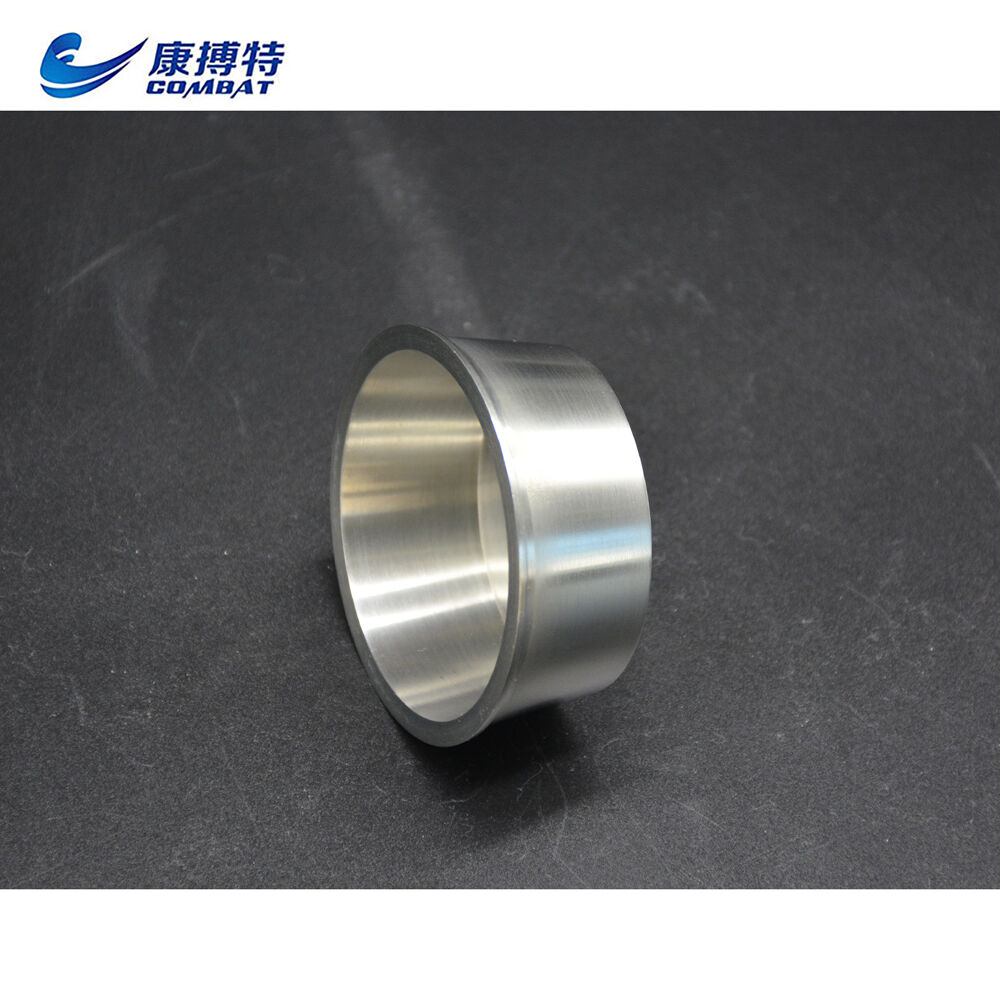
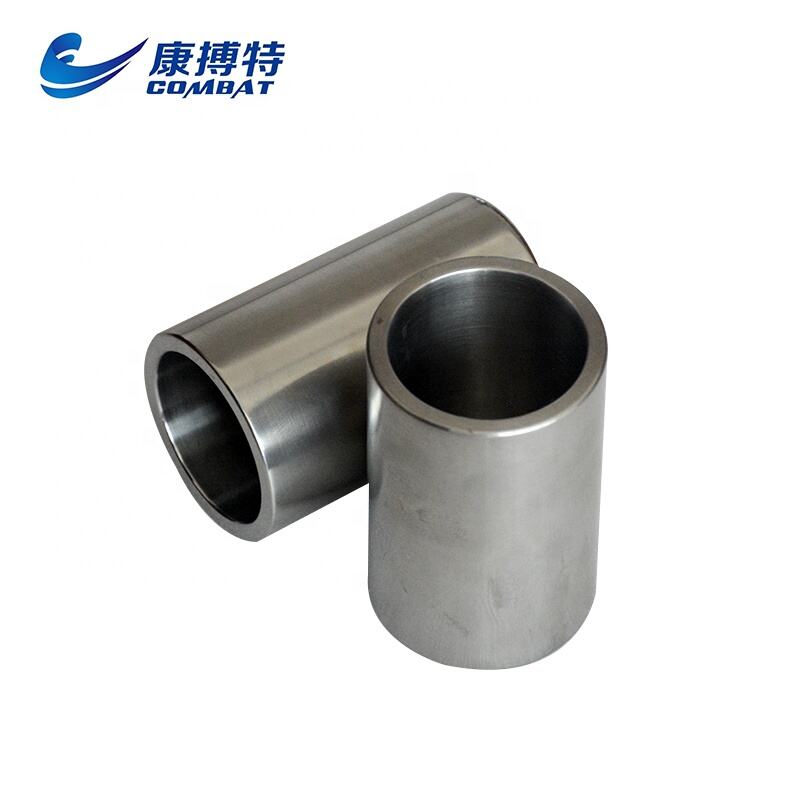
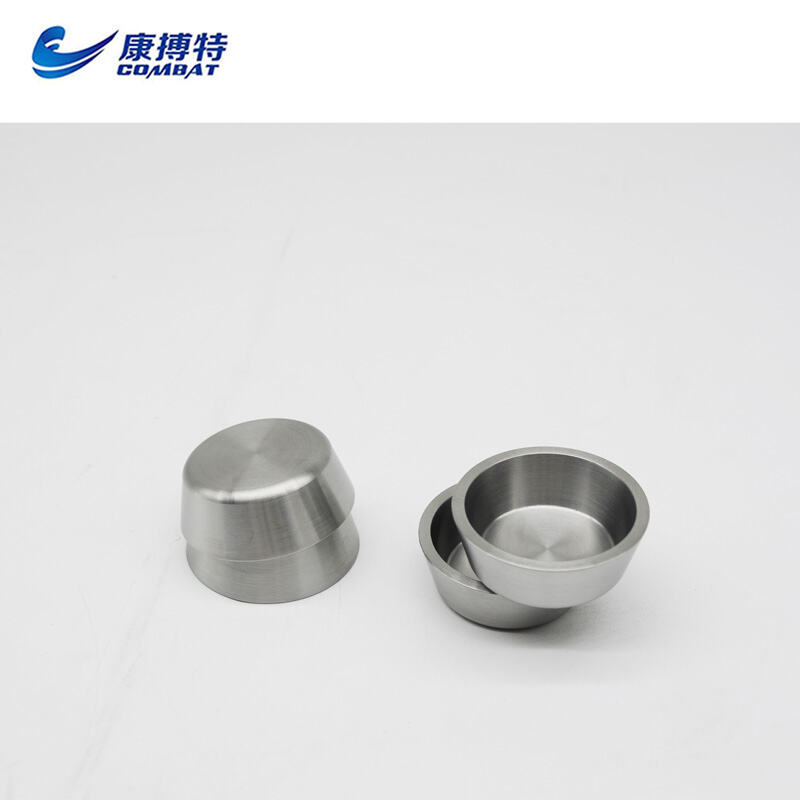
The broad application versatility that justifies tungsten crucible price investments stems from the material's unique combination of chemical inertness, thermal stability, and mechanical strength that enables processing of diverse materials across multiple industries and applications. Tungsten crucibles accommodate an exceptionally wide range of processed materials, from reactive metals like titanium and zirconium to corrosive compounds, rare earth elements, and high-purity semiconductor materials, without cross-contamination or crucible degradation. This versatility allows manufacturers to utilize a single crucible type across multiple product lines and applications, simplifying inventory management, reducing procurement complexity, and maximizing equipment utilization rates. The chemical inertness of tungsten prevents unwanted reactions between the crucible and processed materials, eliminating the contamination pathways that limit the application range of reactive crucible materials like graphite, which can introduce carbon contamination, or ceramic crucibles that may contribute oxide impurities. When evaluating tungsten crucible price against this application flexibility, buyers should consider the cost savings achieved by consolidating crucible inventories and the operational advantages of standardizing on a single crucible material across diverse processing requirements. The mechanical strength of tungsten crucibles at elevated temperatures enables handling of dense, heavy material charges without structural failure or deformation, supporting applications involving large batch sizes or high-density materials that would exceed the load-bearing capacity of alternative crucible types. This strength characteristic proves particularly valuable in production environments where maximizing batch sizes directly impacts manufacturing economics and throughput capacity. The compatibility of tungsten crucibles with various furnace types and heating methods, including resistance heating, induction heating, and electron beam heating, provides implementation flexibility that accommodates existing equipment configurations without requiring specialized furnace modifications or custom crucible designs. The vacuum compatibility of tungsten makes these crucibles ideal for processes requiring controlled atmospheres or high-vacuum conditions, such as vacuum arc remelting, vacuum induction melting, or molecular beam epitaxy applications where atmospheric contamination must be rigorously excluded. The ability to operate in oxidizing, reducing, or inert atmospheres without material degradation expands the process envelope available to manufacturers, enabling optimization of processing conditions based on material requirements rather than crucible limitations. The dimensional precision achievable with tungsten crucibles supports automated material handling systems and robotic crucible manipulation, facilitating integration into modern manufacturing environments emphasizing automation and process control.



 EN