Superior Thermal Management for Enhanced Equipment Performance
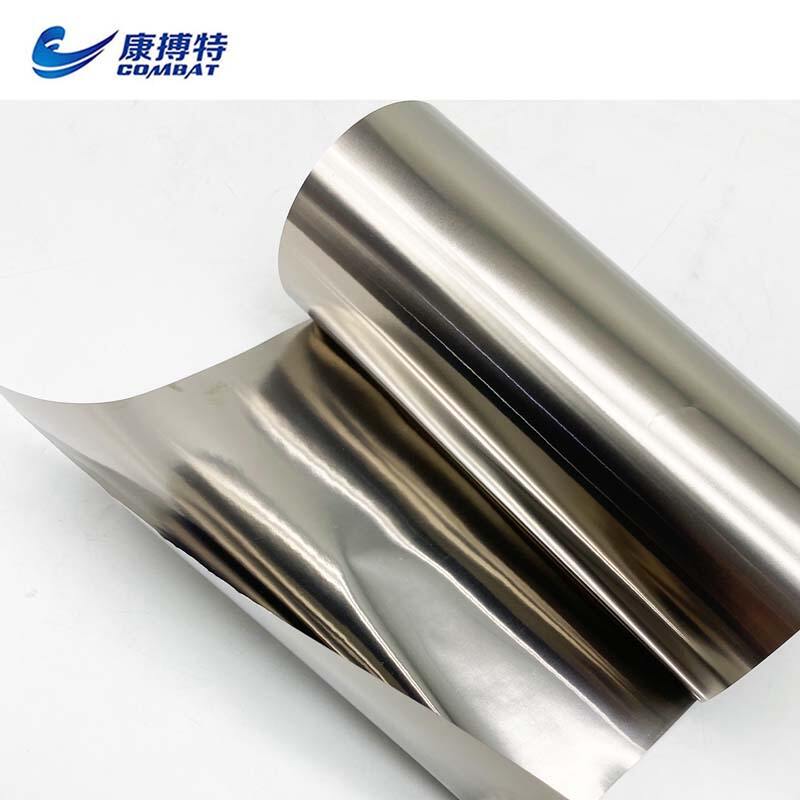
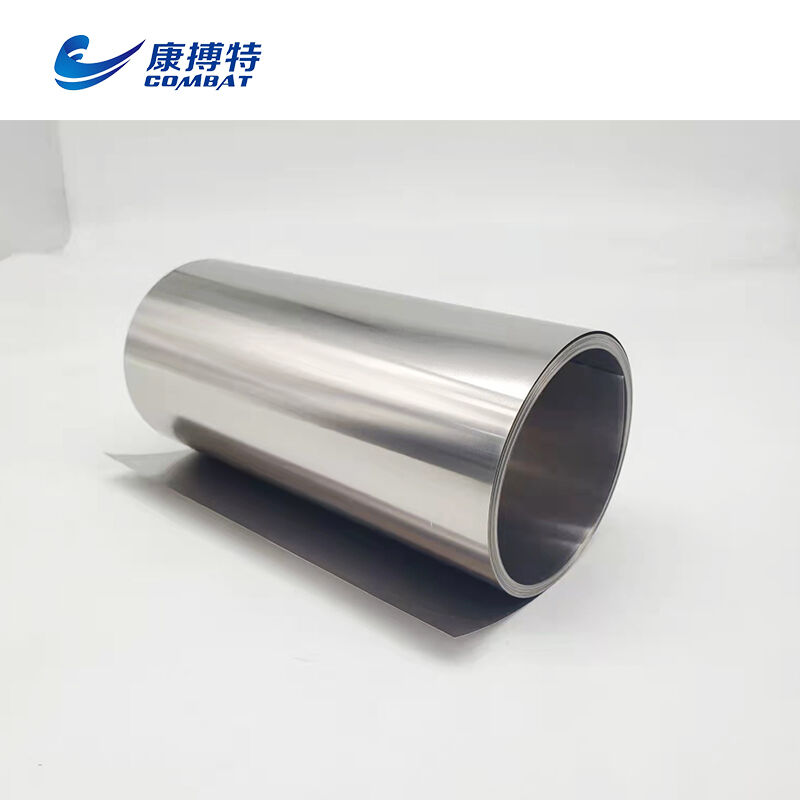
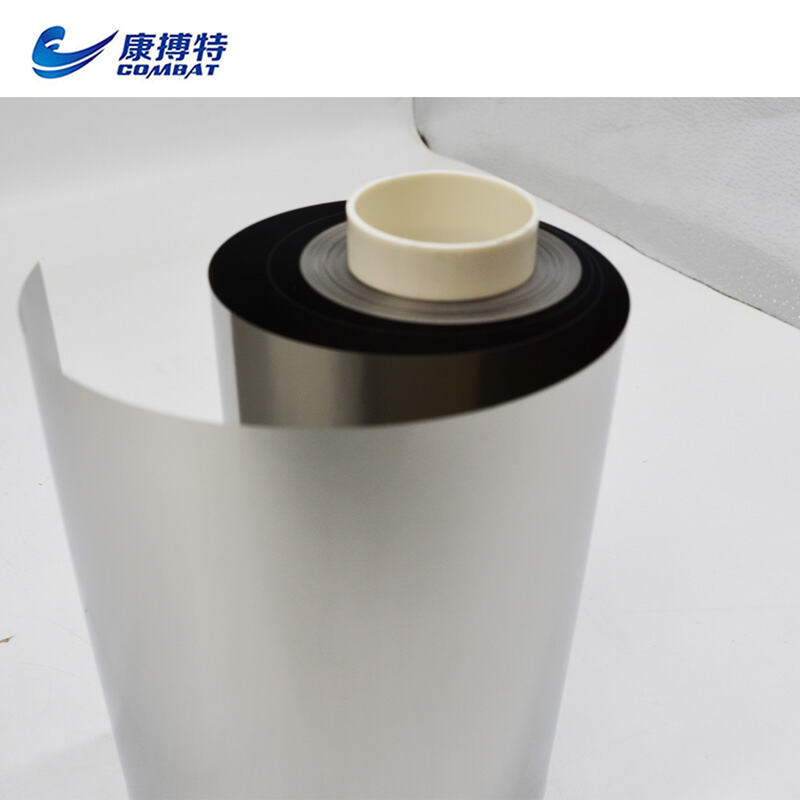
The tungsten foil price reflects the material's exceptional thermal properties that enable advanced heat management solutions across diverse industrial applications. Thermal conductivity represents a critical performance parameter in modern equipment design, as electronic devices, power systems, and industrial machinery generate increasing heat loads that must be efficiently managed to prevent failures and maintain optimal operating conditions. Tungsten foil excels in thermal management applications through its combination of high thermal conductivity, elevated melting point, and dimensional stability across extreme temperature ranges. These properties allow engineers to design compact, efficient heat dissipation systems that maintain component temperatures within safe operating limits even under demanding conditions. The tungsten foil price provides access to a material that outperforms copper, aluminum, and other common thermal management materials in high-temperature applications where alternative metals would soften, oxidize, or fail structurally. Electronic power devices benefit significantly from tungsten foil's thermal characteristics, as the material efficiently spreads heat away from semiconductor junctions and other temperature-sensitive components. This heat spreading capability reduces thermal gradients that can cause stress-related failures and performance degradation in electronic assemblies. Manufacturing processes that involve thermal cycling or elevated operating temperatures rely on tungsten foil to maintain consistent thermal conditions that ensure product quality and process repeatability. Industrial furnaces, heat treating equipment, and high-temperature reactors utilize tungsten foil as heating elements and thermal barriers that withstand extreme conditions while delivering precise temperature control. The tungsten foil price accounts for the material's ability to operate continuously at temperatures exceeding 2000 degrees Celsius in controlled atmospheres, far surpassing the capabilities of conventional heating element materials. This high-temperature performance enables processes that would be impossible with alternative materials, opening new manufacturing possibilities and improving product characteristics. Aerospace applications leverage tungsten foil's thermal properties for thermal protection systems, rocket nozzles, and high-performance engine components that must survive extreme thermal environments during operation. The material's low thermal expansion coefficient complements its thermal conductivity, preventing dimensional changes that could compromise seals, clearances, or structural integrity in precision assemblies. Medical devices incorporate tungsten foil in X-ray tubes and radiation therapy equipment where thermal management directly impacts image quality, treatment precision, and equipment reliability.


 EN
EN